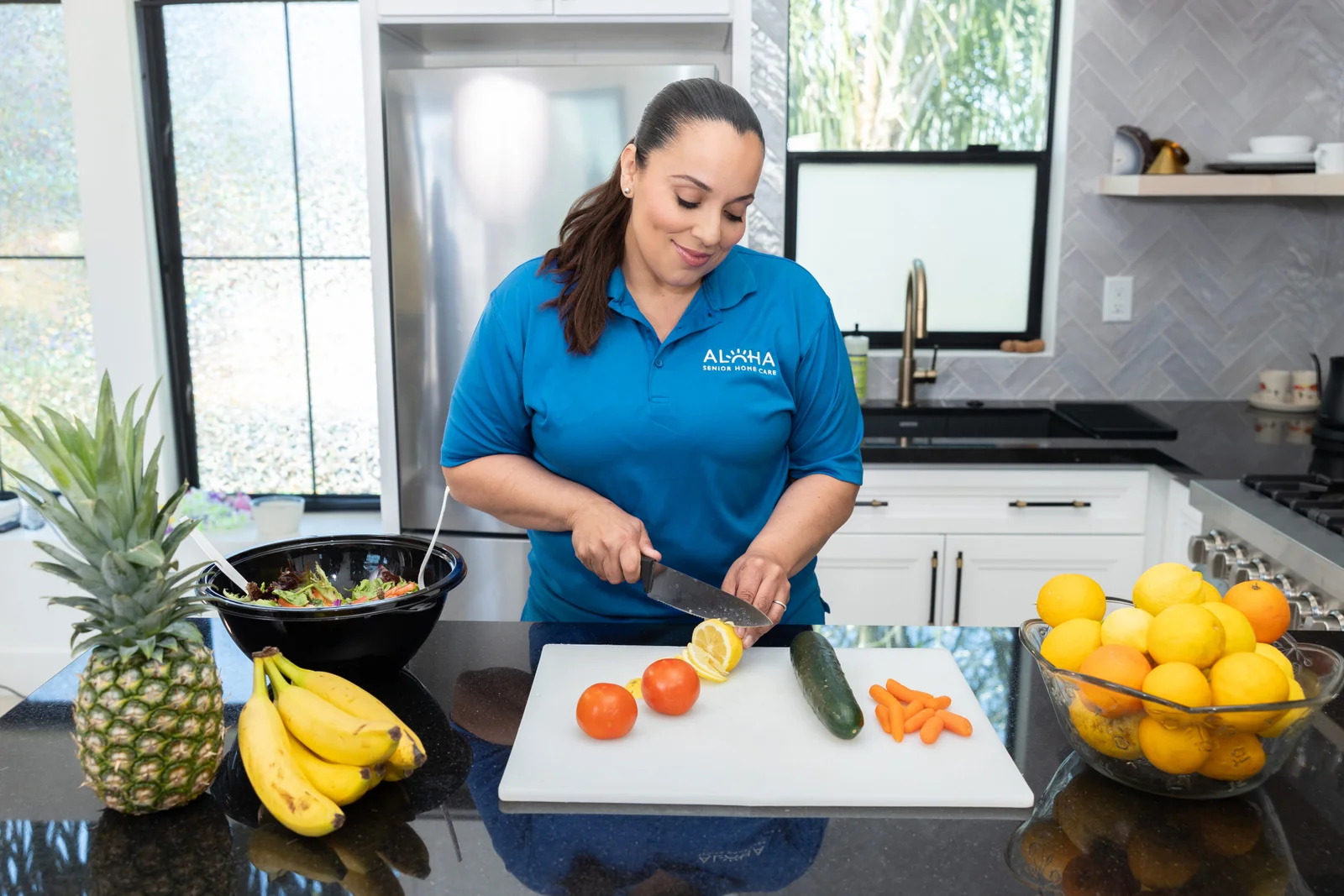


There is something quietly powerful about a warm plate set in front of someone you love. For many families, preparing nourishing meals for an aging parent becomes one of the most tender parts of caregiving. It is a way of saying I am here, I remember what you like, and I want your day to feel a little easier. This guide offers practical, appetizing ideas for everyday home cooking, along with small ways to make eating more comfortable and enjoyable.
Why Nourishing Meals Matter More With Age
As we grow older, appetite often changes. Taste can dull, chewing may take more effort, and cooking for one can feel like more trouble than it is worth. A parent who once loved the kitchen might start skipping meals or reaching for whatever is quickest. None of this means anything is wrong. It simply means mealtime deserves a little extra thought and warmth.
The goal is not a strict menu or a special diet. It is food that looks appealing, tastes familiar, and is easy to eat. When meals feel inviting rather than clinical, older adults tend to look forward to them more, and that anticipation alone can lift the whole mood of a home.
Simple, Appetizing Meals That Are Easy to Make
You do not need to be a chef. Some of the most satisfying meals for older adults are the gentle, familiar dishes many of us grew up with. Soft textures, mild seasonings, and colorful plates go a long way toward making food feel like a treat rather than a task.

- Slow cooked soups and stews with tender vegetables and shredded chicken or beans
- Scrambled eggs with soft toast, avocado, or a little cheese for an easy, protein rich start
- Oatmeal or yogurt topped with ripe banana or berries
- Baked or poached fish with mashed potatoes and steamed greens
- Pasta with a simple tomato or olive oil sauce, cut into easy to manage pieces
- Fruit smoothies blended with yogurt and a spoon of nut butter for days when appetite is low
Cooking a little extra and portioning it into single serve containers means there is always something wholesome waiting in the fridge. Meals that reheat well, like casseroles and soups, quietly take the pressure off busy days.
Cook once, eat several times
Set aside one afternoon to batch cook two or three of your parent's favorites, then freeze single portions labeled with the date. On tired evenings, a home cooked meal is only a few minutes away, and your parent still eats something they truly enjoy.
Small Ways to Make Eating Easier
Sometimes the food is fine, but the experience around it gets in the way. A few gentle adjustments can make a real difference for someone whose hands, eyes, or appetite have changed.
- Serve smaller portions more often instead of three large plates a day
- Offer finger foods and textures your loved one finds easy to manage when utensils feel awkward
- Use bright, contrasting plates so the food is easy to see
- Keep water or a favorite drink within reach so it is easy to sip through the day
- Ease clutter and noise at the table so the focus stays on the food and the company
- Warm the plate and season with fresh herbs so the aroma gently wakes the appetite
One gentle reminder: everything here is general home cooking guidance, not medical or dietary advice. Because every person is different, it is wise to check with your parent's own doctor or a dietitian before making bigger changes to their diet or the texture of their food. If swallowing has become harder, please ask their doctor before adjusting any food or drink, since that is a decision best made with someone who knows their history.
How a Caregiver Helps With Shopping and Cooking
When cooking every day becomes tiring, or when you live too far to be there for each meal, a caregiver can carry that load with warmth and respect. At Aloha Senior Home Care, our nurse led team provides non-medical support with the everyday rhythms of the kitchen, from the grocery list to the last dish dried.
A caregiver can plan the week around your parent's tastes, handle the shopping, and cook fresh food right in their kitchen. They tidy up afterward, keep the pantry stocked, and notice the small things, like a favorite fruit running low or a dish that always brings a smile. Just as important, they turn mealtime into shared company rather than a solitary task.
A shared meal is rarely just about the food. It is about being seen, remembered, and cared for at the table.
Every caregiver is background checked, and support is available 24/7, so families across San Diego County can breathe easier knowing meals are handled with genuine care.
Making Mealtime Something to Look Forward To
The warmth around a meal often matters as much as what is on the plate. Sit down together when you can. Play a little music, share a story, or set the table with a cloth napkin. These small rituals turn eating into a bright spot in the day rather than a chore to get through.
Above all, meet your parent where they are. Some days the appetite is strong and some days it is quiet. Offering choices, staying patient, and keeping the mood gentle honors their dignity and lets them stay in charge of their own table.
Explore related support at home
Let us help with meals and more
If preparing meals for your parent has started to feel like a lot, we are here to help. Reach out to Aloha Senior Home Care for a free, no pressure conversation about everyday support that fits your family. Call (858) 399-1400 or email hello@alohaseniorhomecare.com.