
Short Term and Recovery Care in San Diego
The hardest part of a hospital stay is often the day you come home. The help of the hospital is gone, the house feels harder to manage, and a fall or a missed meal can feel one wrong move away. Aloha Senior Home Care recovery care steps in right then, with steady, non-medical support that lets your loved one heal in the comfort of home.
It is non-medical, nurse led, and shaped around exactly how much help this chapter calls for.
- Non-medical, in home recovery support for older adults
- Led by Maya German, RN, founder of Aloha Senior Home Care
- Licensed California Home Care Organization, #374700270
- Consistent, personally matched caregivers, background checked
- Care available 24/7 across San Diego County
- Every caregiver registered on the California Home Care Aide Registry
A Warm Welcome to Your Family
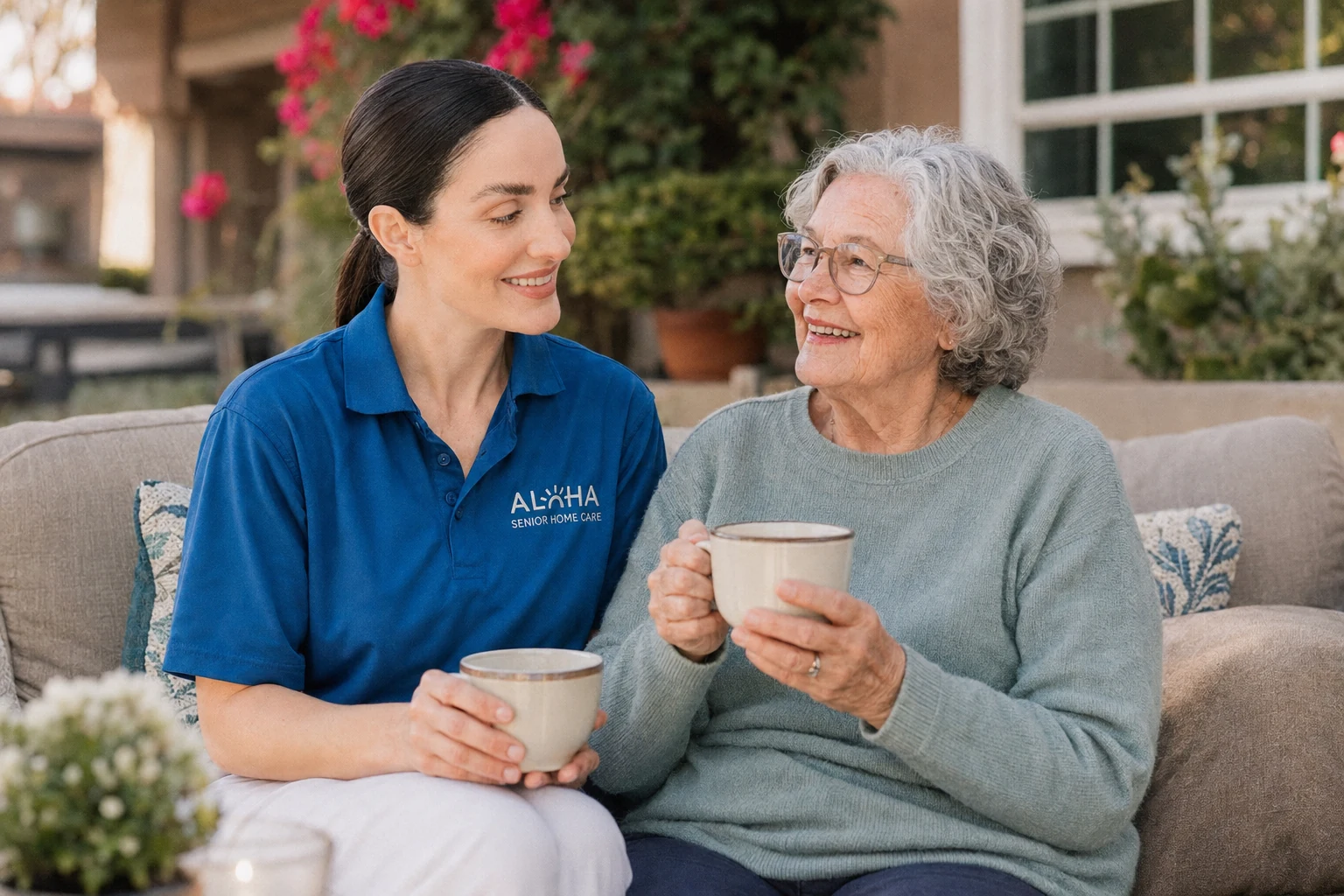
A warm hello from all of us at Aloha Senior Home Care, and a look at how our nurse led, non-medical team supports families across San Diego with everyday care at home. Take two minutes to get to know us before you ever pick up the phone.
Nurse led and licensed, caring for families across San Diego
Non-medical, everyday help that makes life at home easier
Background checked caregivers, here for you around the clock
The First Days Home Are the Hardest
Most setbacks after a hospital stay do not happen in the hospital. They happen at home, in the first days back, when someone is weak, tired, and suddenly on their own. A skipped meal, a dizzy spell standing up, a medication taken twice by mistake. Small things, at exactly the moment they matter most.
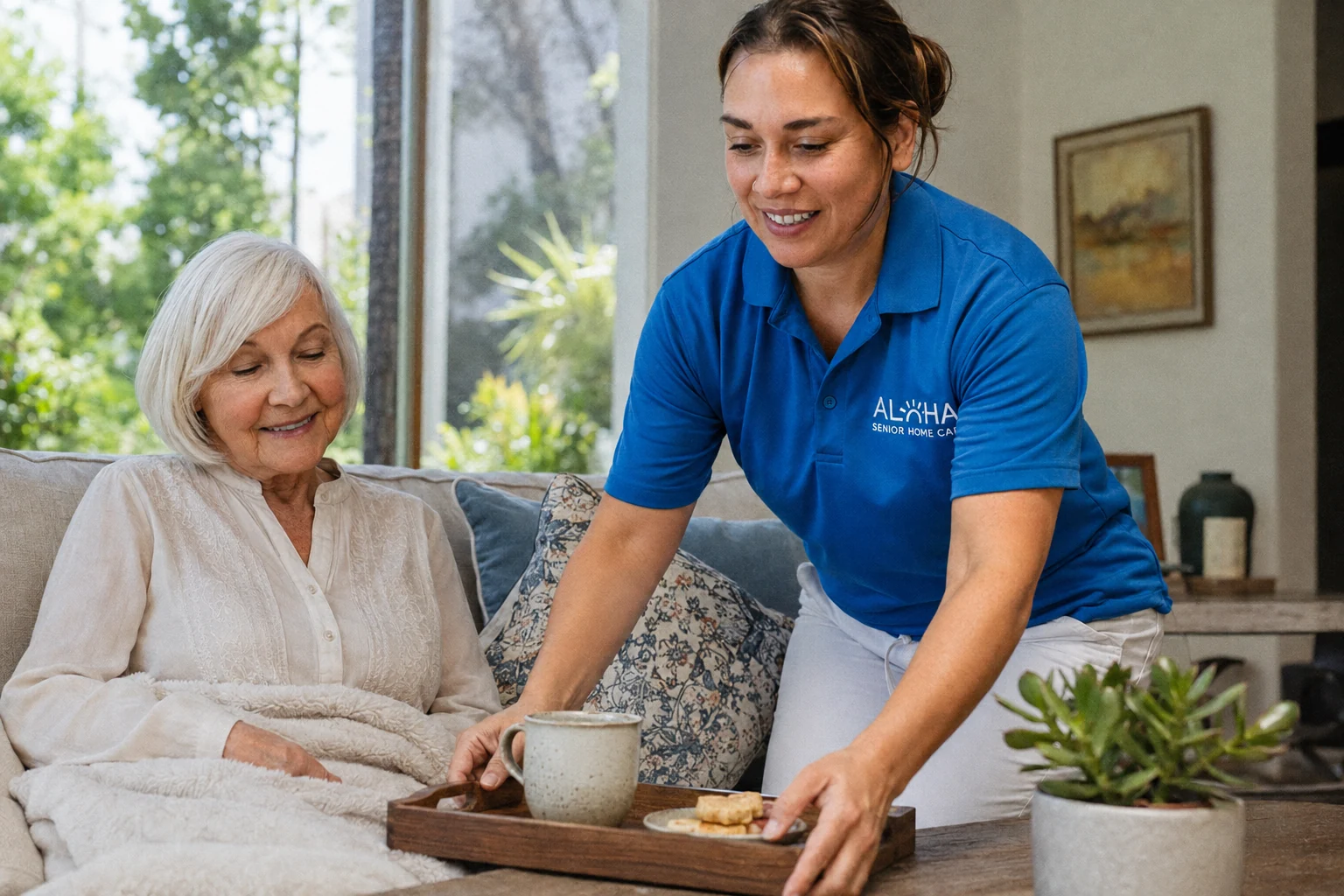
A steady caregiver is there for exactly those moments. Someone to lend an arm, keep meals and fluids coming, and give the day a calm rhythm while your loved one rebuilds their strength. Because our team is nurse led, that same caregiver also notices the warning signs, less appetite, more confusion, a new unsteadiness, and lets your family know early. Any medical concern goes straight to your loved one's doctor.
Recovery is not just what happens in the hospital. It is everything that happens after they come home.
Steady Help While They Get Their Strength Back
Every plan is shaped around where your loved one is in their recovery and how much help this chapter calls for. It often includes:
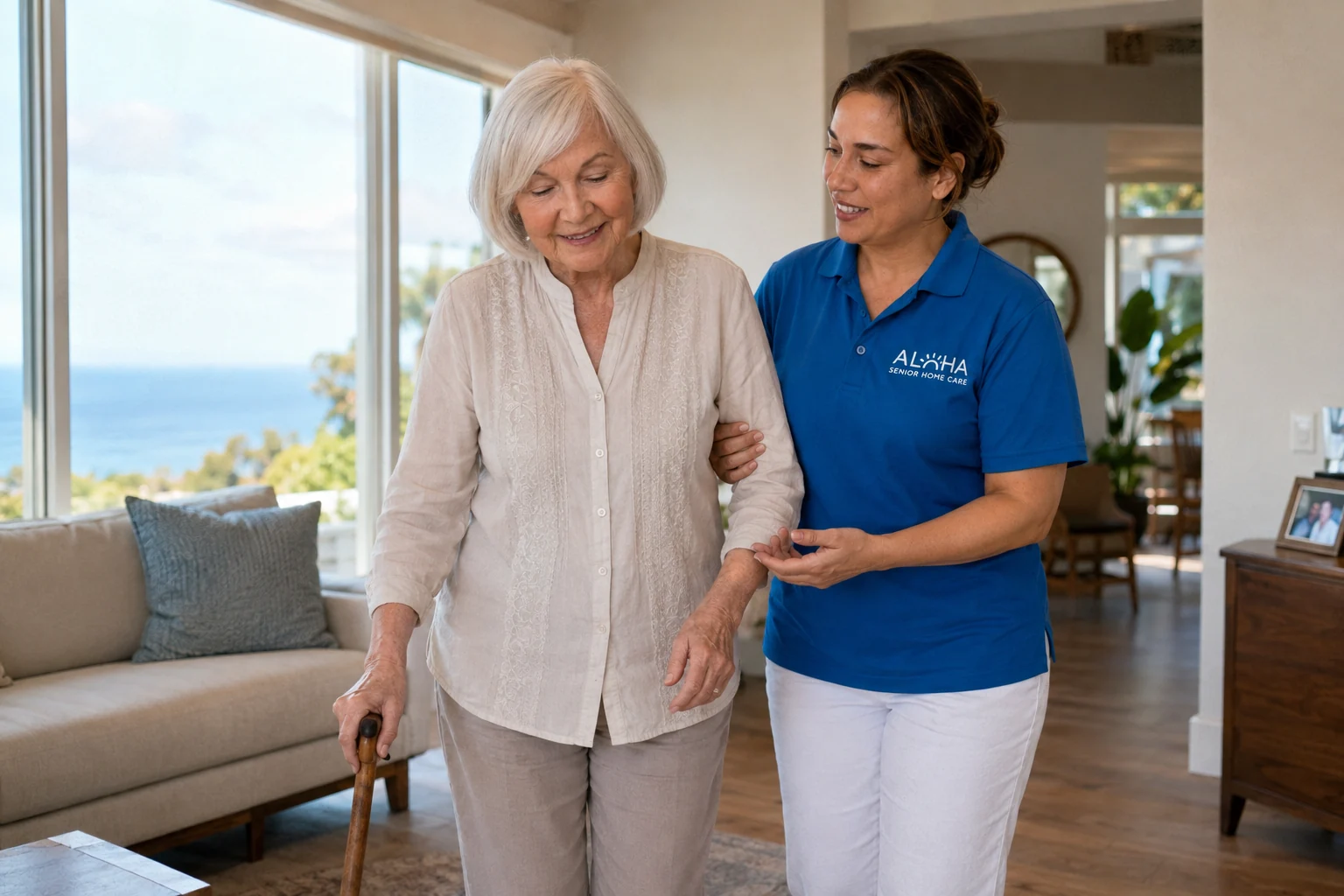
A steady arm getting around
Patient help standing, walking, and moving around the home while strength returns.
Meals and hydration
Nourishing, easy meals and gentle reminders to keep eating and drinking through the day.
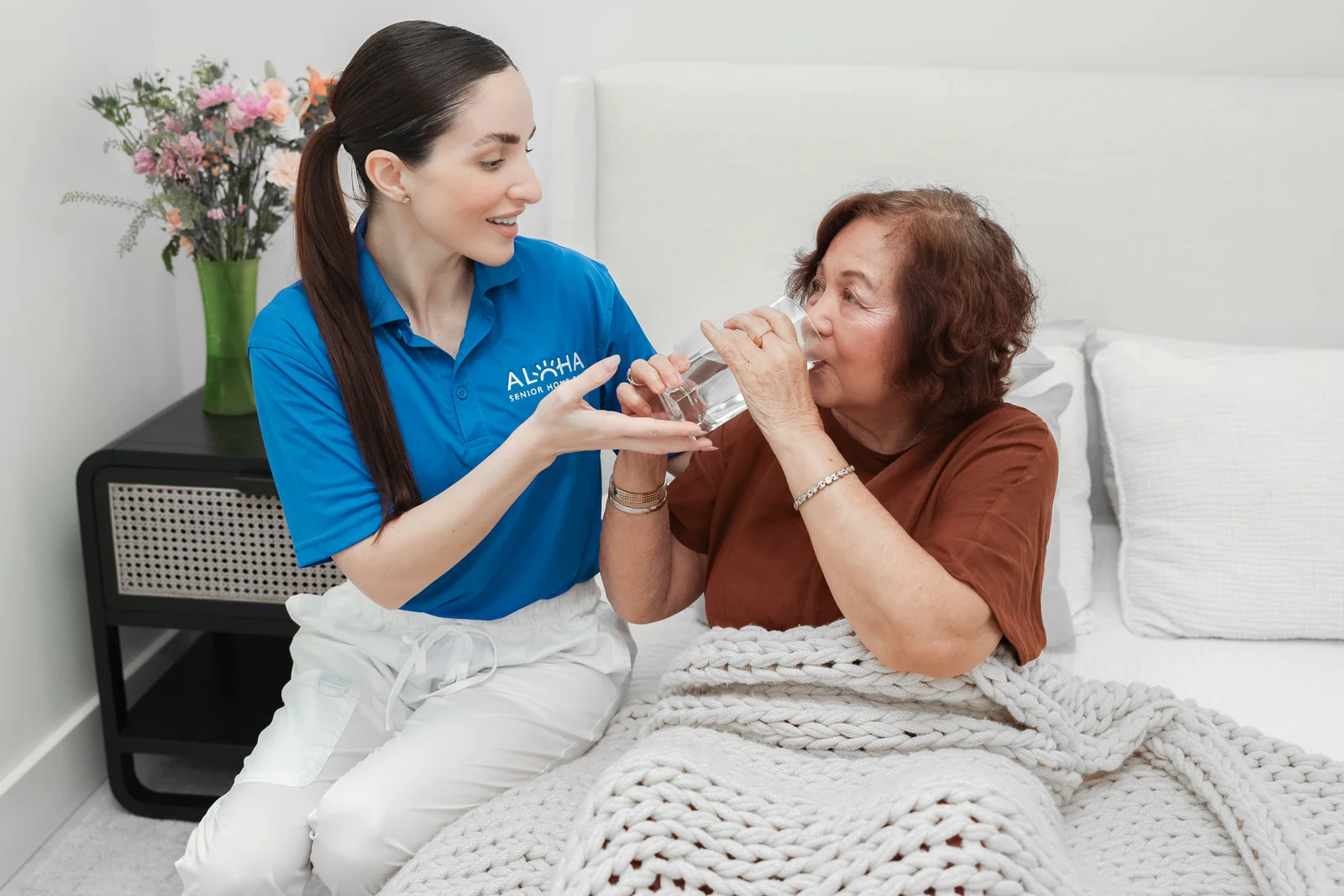
Medication reminders
Timely reminders so the recovery medication schedule stays on track. Reminders only, in step with your family.
Bathing and personal care
Unhurried, dignified help with bathing, dressing, and hygiene while it is still tiring to manage alone.
Rest and routine
A calm daily rhythm with plenty of rest, so the body has room to heal.
Light housekeeping
Laundry, tidying, and keeping the spaces they use most clean and comfortable.
Errands and appointments
Grocery and pharmacy runs, and rides to follow up appointments.
A watchful, caring presence
Someone close by who notices changes early and keeps your family in the loop.
Recovery Care With a Nurse's Eye
After a hospital stay, the right help is not just an extra pair of hands. It is someone who knows what to watch for, moves at your loved one's pace, and keeps your family informed every step of the way.
A caregiver who watches closely
Recovery is full of small changes. Our caregivers notice them and tell your family early, and any medical concern goes to your loved one's doctor.
A consistent, matched caregiver
One trusted face who learns the routine and settles into the recovery plan, not a rotating cast of strangers.
Nurse led oversight
Maya German, RN and our team stay close, so the non-medical side of recovery is handled with real care.
Available 24/7
From a few hours a day to overnight and around the clock help, care flexes as strength returns.
Recovering With Help vs On Your Own
The difference good support makes is clearest in the first week home. Here is an honest look at how those days tend to go with steady help, and without it, so you can decide what your family needs.
Recovering With Aloha Senior Home Care
Steady, non-medical support at home
- The first days home
- A steady hand through the most tiring, wobbly stretch
- Getting around
- A patient arm with walking, stairs, and moving around
- Meals and medications
- Meals prepared and encouraged, reminders kept on track
- Rest
- A calm routine with real rest, so the body can heal
- The family
- Room to breathe, with regular updates and a watchful eye
Recovering On Your Own
Managing the first week unaided
- The first days home
- The riskiest, most overwhelming time, faced alone
- Getting around
- Walking and stairs managed unaided while still weak
- Meals and medications
- Meals skipped and doses muddled when energy is low
- Rest
- Too much to do to actually stop and recover
- The family
- Worry and guesswork, often doing it all themselves
Aloha Senior Home Care provides non-medical support only. We do not provide nursing, therapy, or any care a doctor orders. We work alongside your loved one's doctor and any home health team, and if your family needs medical recovery care, we will gladly help you coordinate it.
Getting Started Is Simple
- 1
We listen
A free consultation, often right around a hospital discharge, to understand the recovery ahead and where help is needed most.
- 2
We match
We choose a caregiver by temperament and fit, and build a plan around the recovery, ready for the day they come home.
- 3
We stay close
Your caregiver settles in, our nurse led team keeps watch, and your family can finally rest too.
When Short Term Care Helps Most
This kind of help is often needed for just a few weeks. It may be the right fit if your loved one is:
Noticing even one or two is reason enough to reach out. There is never a wrong time to ask, and the first conversation is always free.
Schedule a Free Consultation- Coming home from a hospital stay, a surgery, or a stroke
- Weak, unsteady, or easily tired while regaining strength
- Living alone, with no one nearby for the first days home
- Juggling new medications and follow up appointments
- Cared for by a family member who cannot take time off to help
Recovery Support, Answered
Straight answers to what San Diego families ask us most about short term care at home.
What does short term recovery care at home include?
Aloha Senior Home Care's non-medical recovery support in San Diego includes a steady arm getting around, meals and hydration, timely medication reminders, help with bathing and dressing, light housekeeping, and rides to follow up appointments, all built around your loved one's recovery. It does not include nursing, therapy, or any care a doctor orders.
Is this the same as home health after a hospital stay?
No. Home health is medical support a doctor orders, such as a visiting nurse or a therapist. Aloha Senior Home Care provides non-medical help with daily living during recovery, and we work alongside your loved one's medical team. Because we are nurse led, we also help you know when something should go to your doctor.
Can care start right when my loved one comes home from the hospital?
Yes, and it often does. Tell us the discharge date and we will have a caregiver and a plan ready for the day they come home. If it is short notice, say so and we will prioritize it.
How long does short term care usually last?
It is built to be flexible. Many families need it for just a few weeks while strength returns, then stop. Others move to ongoing help as needs become clearer. There is no long term commitment, and we adjust as recovery progresses.
Can you help after a stroke?
Yes, in a non-medical way. An Aloha Senior Home Care caregiver helps with the daily living that gets harder after a stroke, getting around, meals, dressing, and routine, and works alongside any therapy or home health your doctor orders. We do not provide the medical or therapy side ourselves.
Can you help after surgery or an operation?
Yes. Aloha Senior Home Care provides non-medical support at home after surgery, with a steady arm getting around, meals and hydration, timely medication reminders, and help with daily routines while your loved one recovers. We do not provide the medical or nursing side, and we work alongside your doctor and any home health team.
Do you provide overnight or around the clock recovery care?
Yes. The first nights home can be the hardest. Care flexes from a few hours a day to overnight or around the clock presence, all non-medical, across San Diego County.
How much does short term care cost in San Diego?
Aloha Senior Home Care is private pay: your family arranges and pays for care directly, rather than billing a health plan or a government program. Cost depends on how many hours and how much help the recovery calls for, and we walk through clear, honest pricing during your free consultation, with no pressure.
Still have a question? Call us at (858) 399-1400.
Guides From Our Nurse Led Team
Practical, non-medical guides for San Diego families.
Home Care vs Home Health Care: What Is the Difference?
The real difference between the two, and how to tell which kind of care your family actually needs.
Read more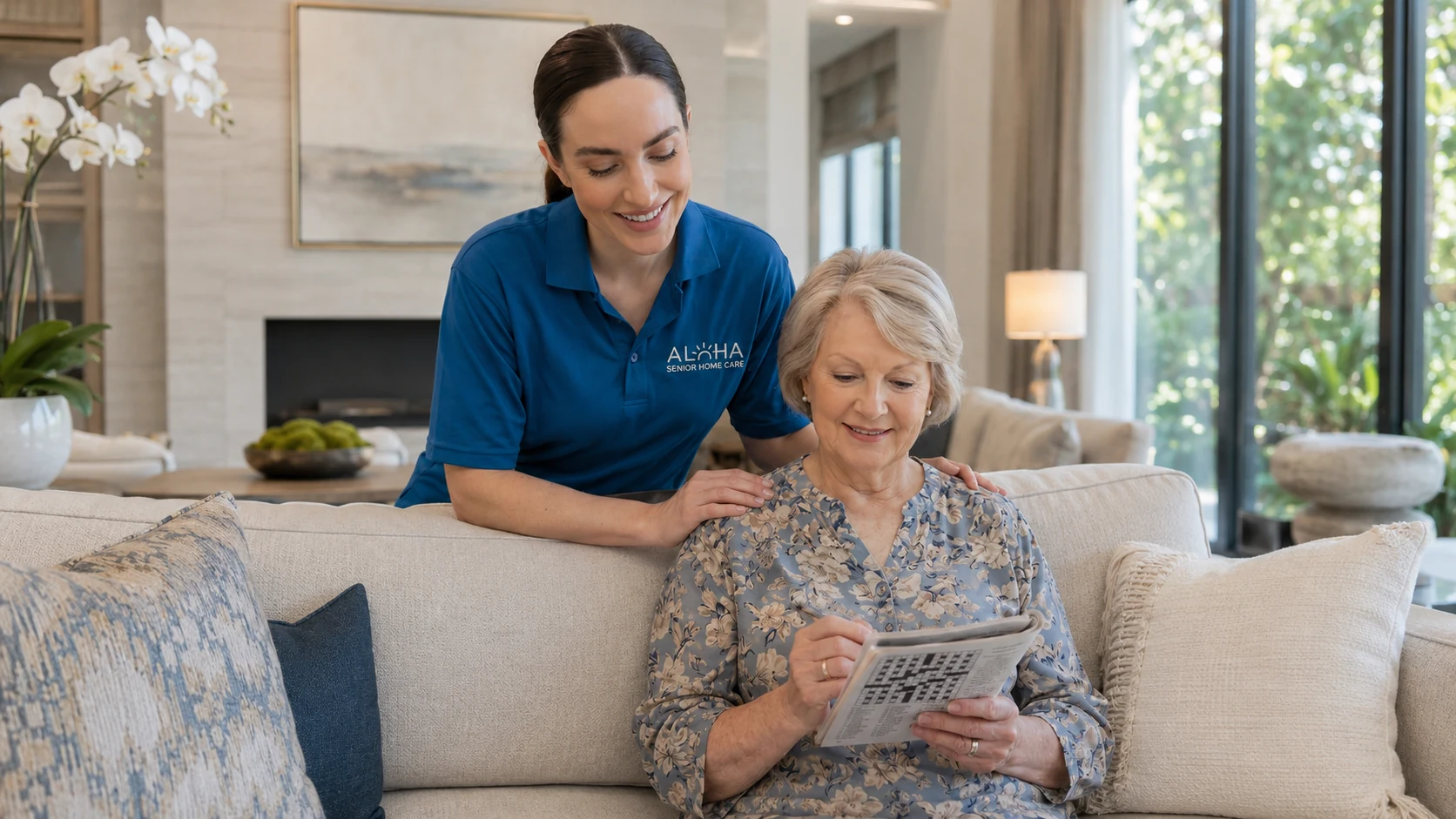
Recovering at Home After a Hospital Stay or Stroke
What the first week home really needs, and how to make it steadier.
Read more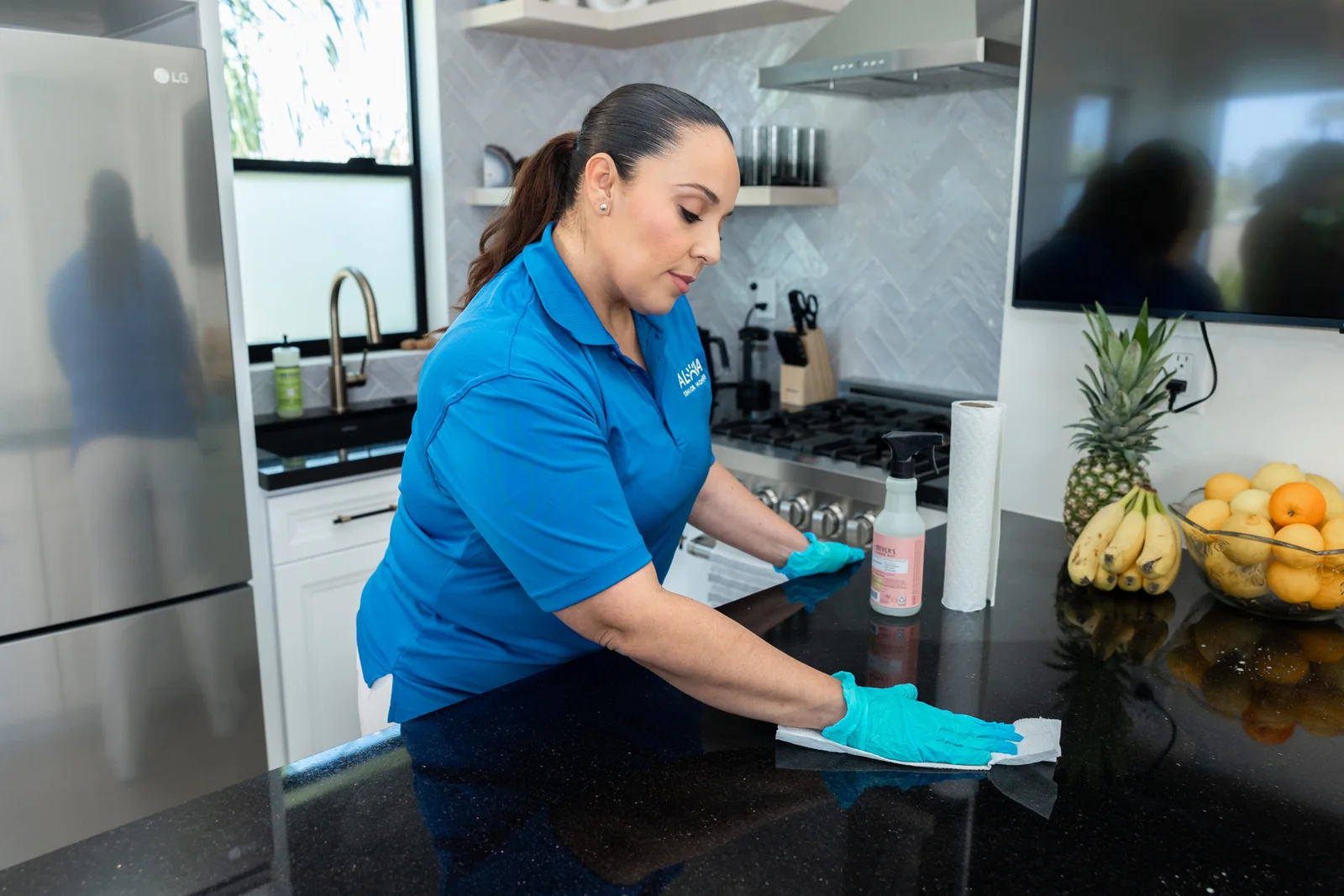
Getting the Home Ready Before a Hospital Discharge
Simple steps that make coming home calmer and better prepared.
Read more
Home Is Where Healing Happens
One conversation is all it takes to begin, even on short notice around a hospital discharge. Tell us what is ahead, and we will help you put the right support in place, with no pressure and no obligation.
Aloha Senior Home Care provides non-medical recovery support. This page is general information, not medical advice. For any medical concern, always consult your loved one's doctor.