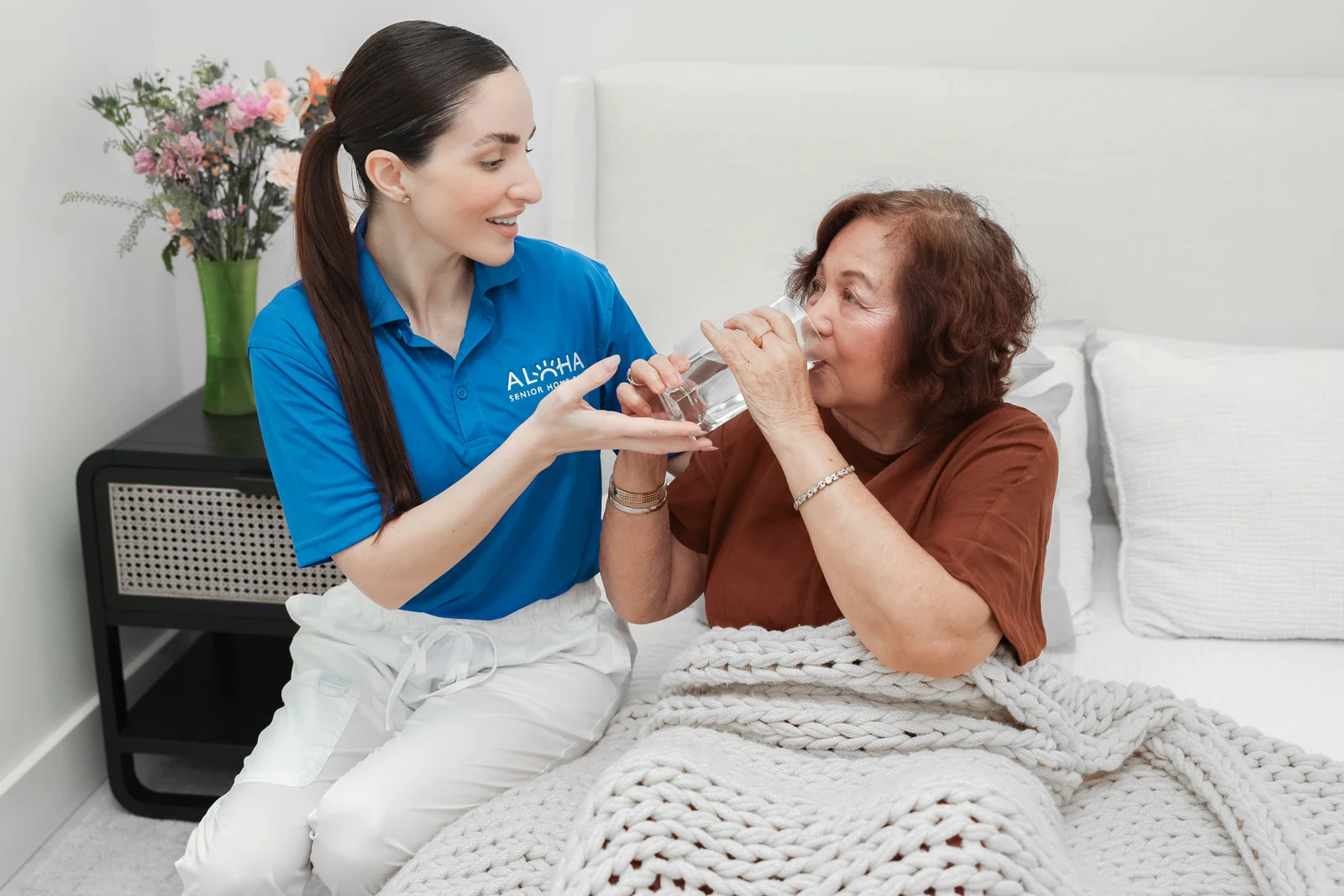
When you first start looking for help at home, two phrases come up again and again, and they sound almost identical: home care and home health care. They are not the same thing, and the difference matters. Choosing well gets a lot simpler once you can tell them apart. Here is the plain version of home care vs home health care, from a nurse led team in San Diego.
The Short Version
Home health care is medical support that a doctor orders and a licensed professional delivers at home, usually for a set period. Home care, the non-medical kind, is help with everyday living: bathing, companionship, meals, and getting through the day safely. One treats a condition. The other supports a life.
One quick way to tell them apart
If a doctor ordered it and a licensed clinician provides it, it is home health care. If it is help with daily living and comfort that anyone in the family could imagine doing, it is non-medical home care.
What Home Health Care Covers
Home health care is arranged through a doctor and tied to a specific medical need. A licensed professional comes to the home to deliver it, and it usually lasts only as long as the doctor's goals take to reach. It can include things like:
- Visits from a nurse, arranged through a doctor
- Physical, occupational, or speech therapy
- Help with injections or a medical device
- Changing a dressing while an incision heals
- Short term support at home right after a hospital stay
Because it is medical and doctor directed, home health care tends to be short term and specific. When the medical goal is met, it ends. Aloha Senior Home Care does not provide this kind of care, and we will always tell you plainly when a need belongs with a doctor or a home health provider.
What Non-Medical Home Care Covers
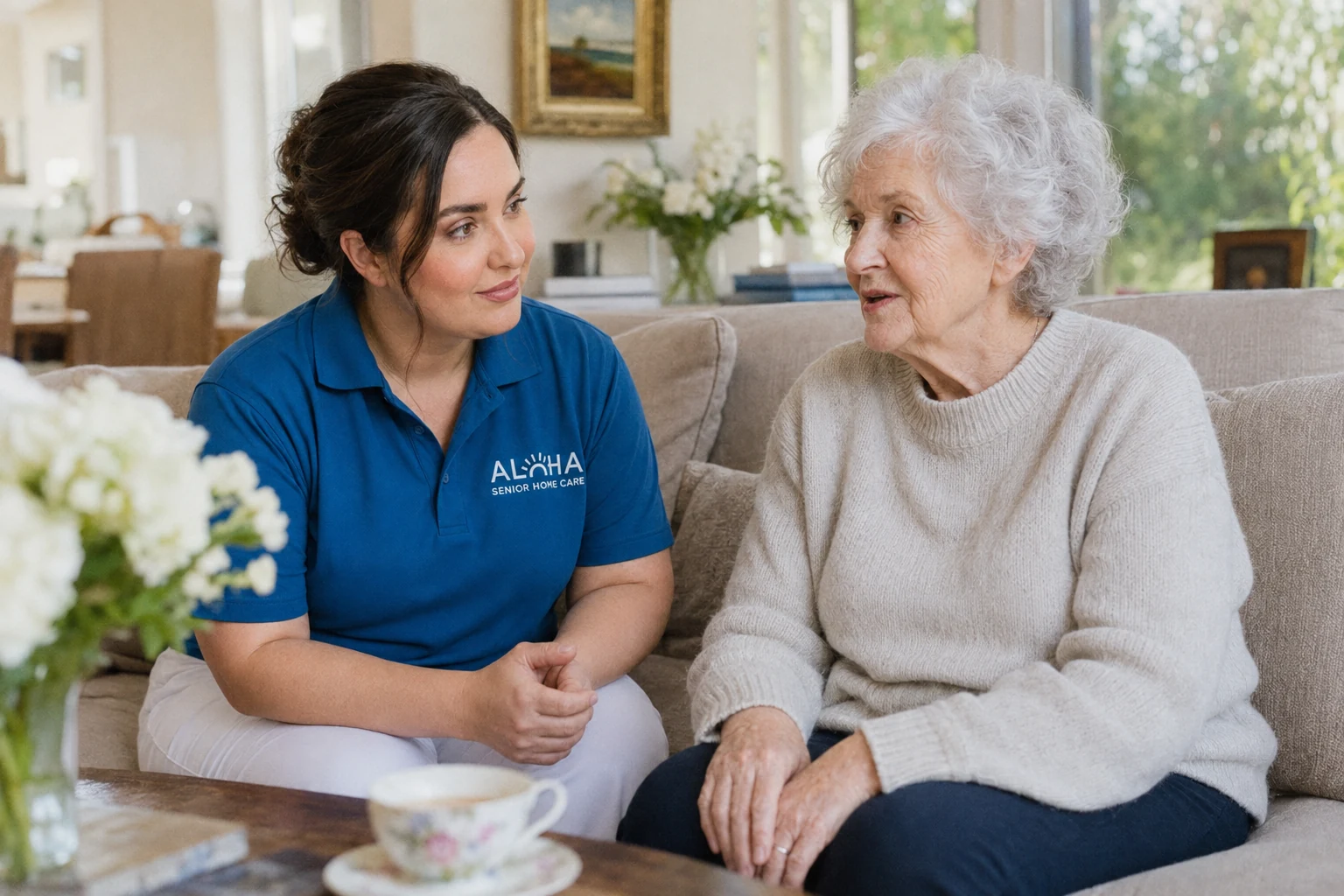
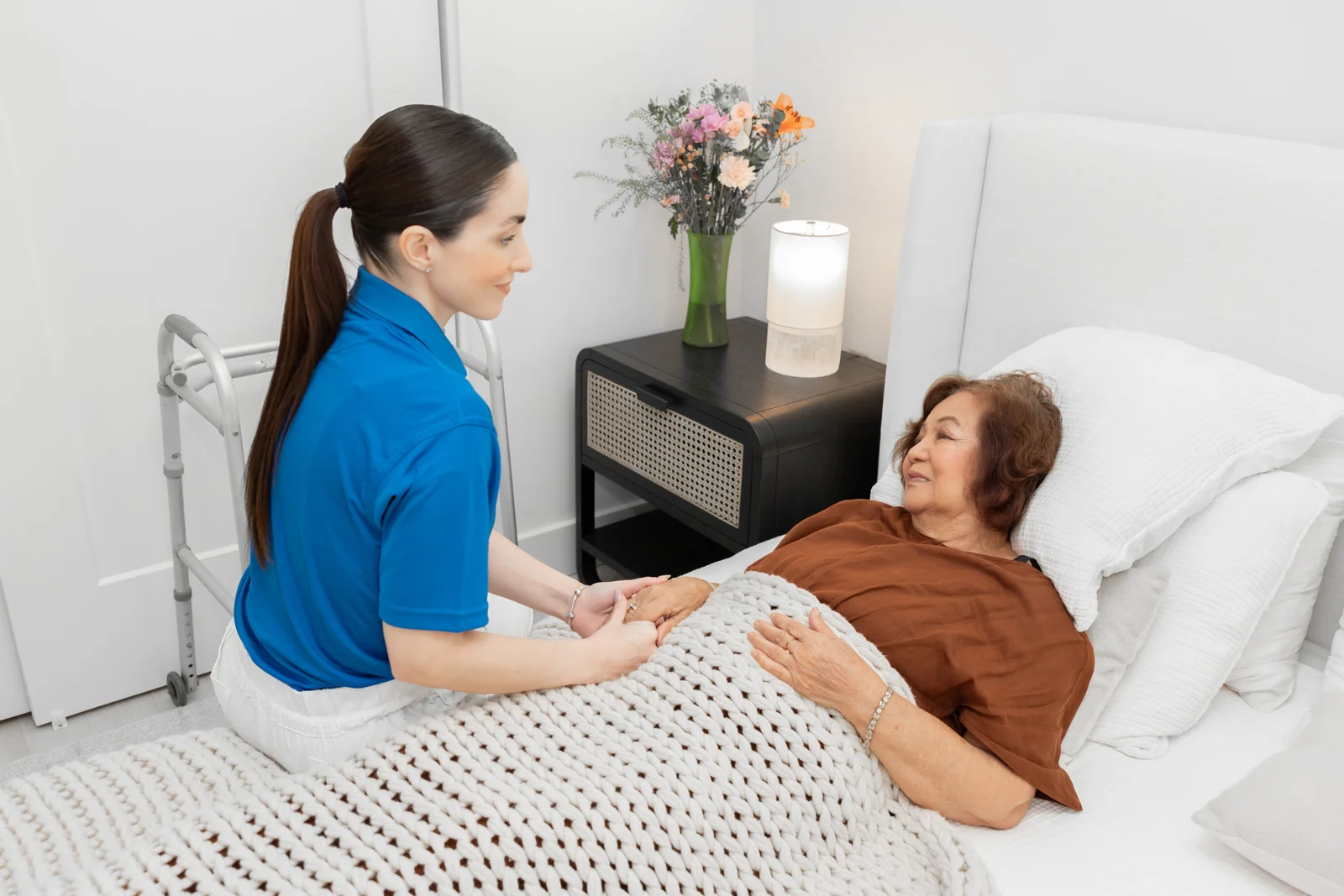
Non-medical home care, the kind Aloha Senior Home Care provides, is help with everyday living. It is not ordered by a doctor, it can be a few hours a week or around the clock, and it tends to grow and flex with your family over time. It usually includes:
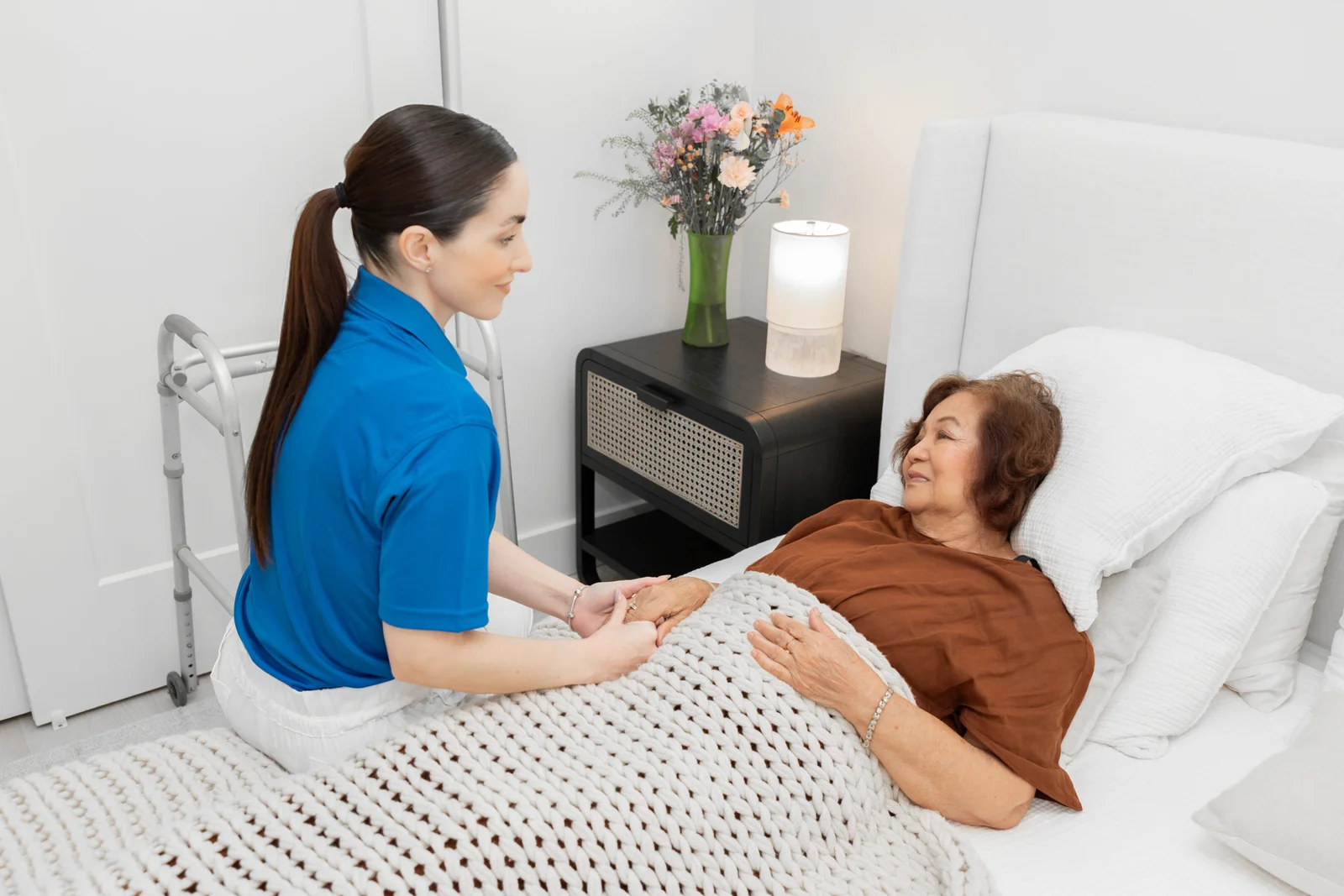
- A steady hand with bathing, dressing, and getting around safely
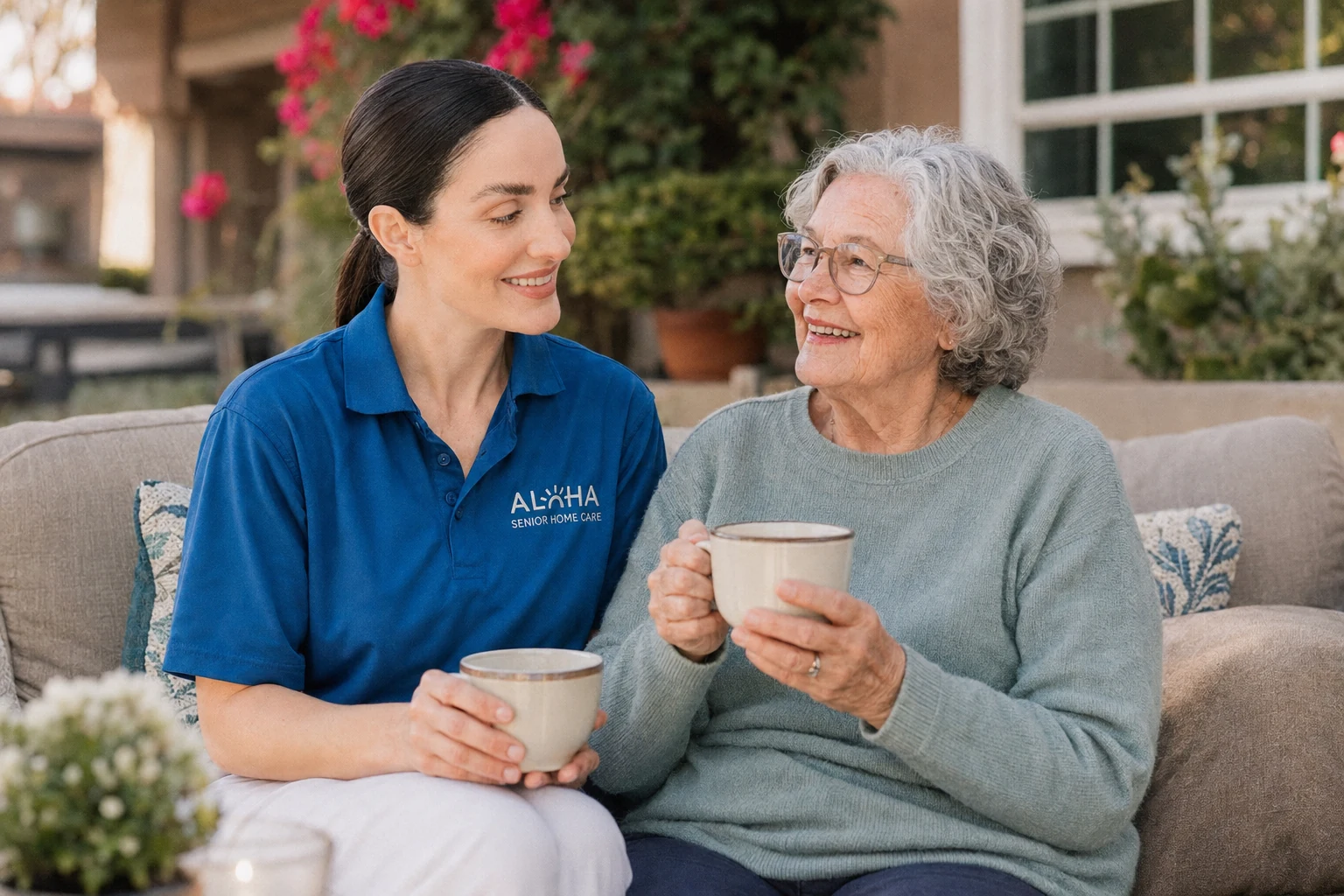
- Companionship, conversation, and shared activities
- Home cooked meals and help with groceries and errands
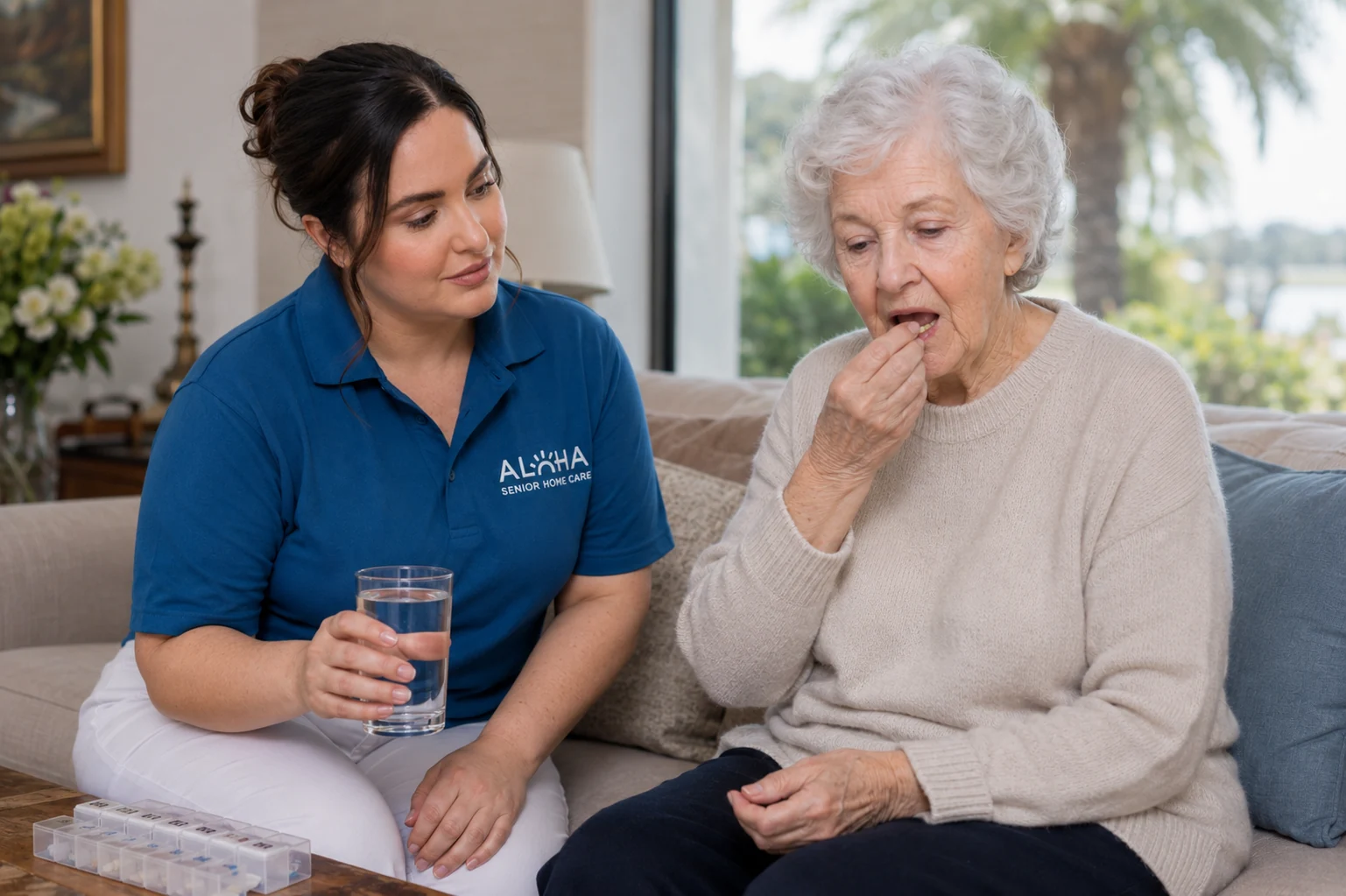
- Gentle medication reminders, so your loved one stays on schedule
- Rides to appointments, the market, and visits with friends
- Light housekeeping and a calm, watchful presence at home
- Planned relief for the family members doing the caring
This is the side of care that fills the hours between doctor visits, and for most families it is the part that makes daily life feel manageable again.
The non-medical services Aloha Senior Home Care provides
How to Know Which One Your Family Needs
Start with the reason you are looking. If a doctor has flagged a medical need, therapy after a fall, help with a device, a nurse to check a healing incision, that points toward home health care, arranged through the doctor. If the real gap is in daily life, safety, meals, loneliness, and the long hours in between, that is non-medical home care.
You can have both, and many families do
It is not either or. A family will often use doctor ordered home health for a short medical stretch and non-medical home care for everything around it. They work well side by side.
Home health care treats a condition. Non-medical home care supports the whole of a person's day.
Prefer a guide you can keep?
Get our free family guide to senior home care, and we will send new guides as we publish them. No spam, and you can unsubscribe any time.
Where Aloha Senior Home Care Fits
Aloha Senior Home Care is a licensed, non-medical California Home Care Organization, nurse led by founder Maya German, RN. We handle the everyday side of care with warmth and consistency. And because our team is nurse led, we pass on what we notice, so you can raise it with your loved one's doctor, and we are glad to work alongside any home health a doctor has ordered.
If you are not sure which kind of help your family needs, that is exactly the kind of thing we talk through every day. There is no pressure and no obligation, just a clear, honest conversation.