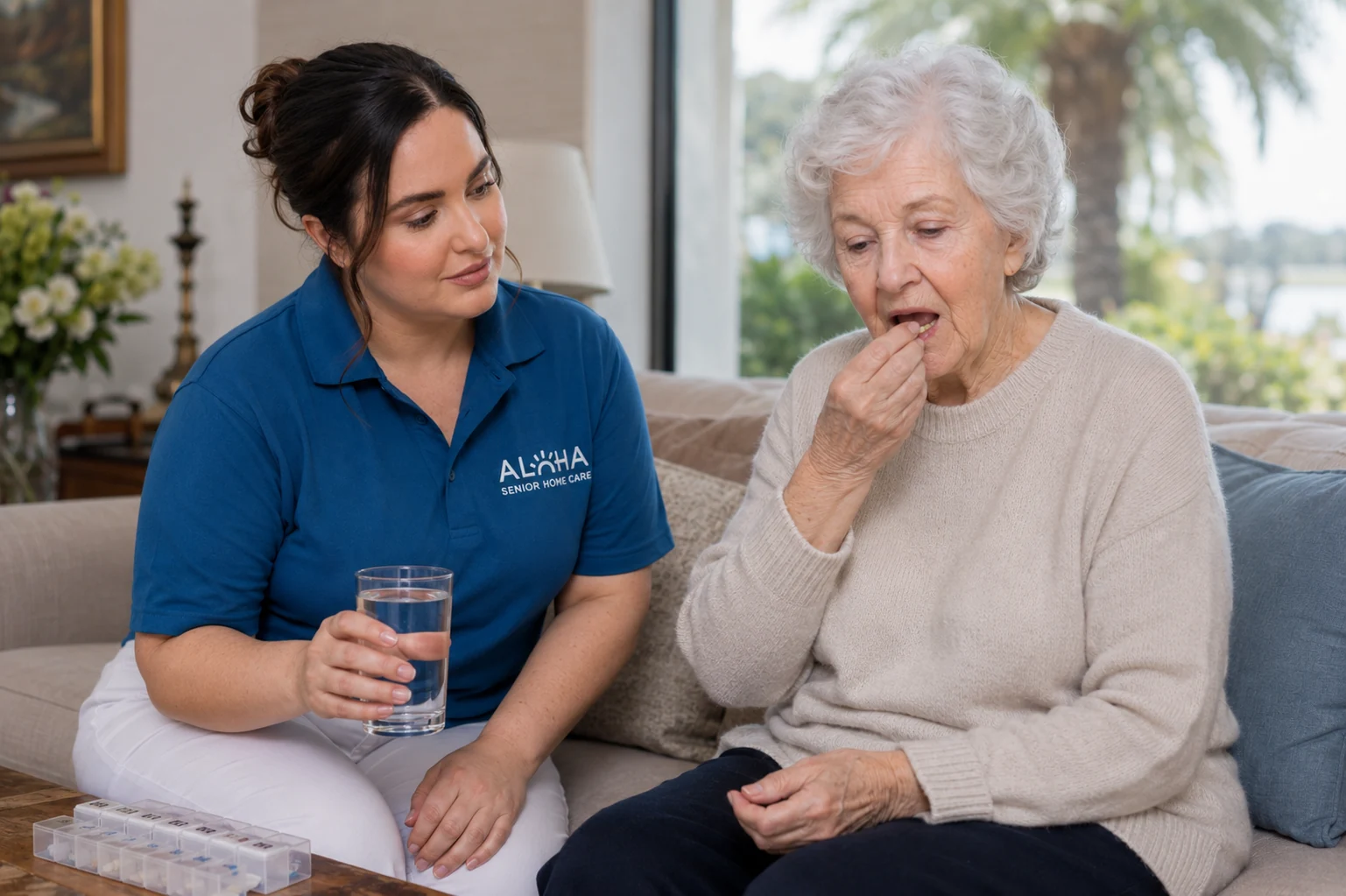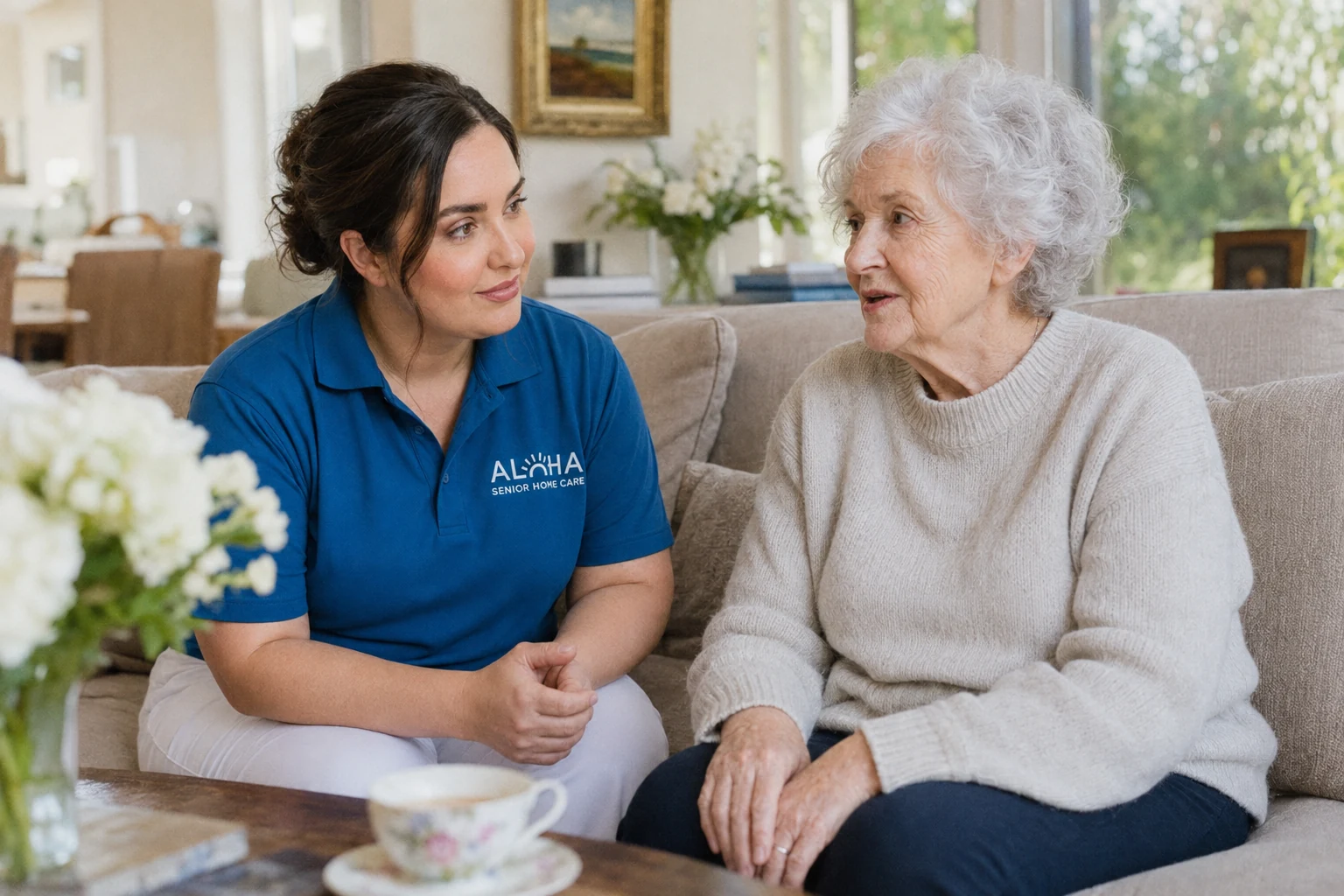


If you have started to notice that a parent is skipping showers, wearing the same clothes for days, or holding the wall as they move down the hallway, you are not alone in wondering what to do next. Personal care at home is a gentle, familiar way to help an older adult keep their daily routine, their dignity, and their independence. This guide walks you through what personal care actually covers, how to know when it might help, and how to begin the conversation with warmth rather than worry.
None of this has to happen all at once, and choosing to look into help is not a sign that anything has gone wrong. It usually means someone you love is aging, and you want their days to feel easier.
What Personal Care at Home Really Covers
Personal care, sometimes called help with the activities of daily living, is hands on, non-medical support with the everyday tasks that can become harder with age. It is not nursing and it is not therapy. It is the practical, respectful help that lets someone stay in the home they love.
- Bathing and showering, offered safely and with privacy respected
- Dressing and grooming, including hair, shaving, and choosing clothes for the weather
- Mobility support: getting up from a chair, walking steadily, and moving in and out of bed
- Toileting and continence help, given with patience and discretion
- Meal preparation and gentle reminders to eat and drink through the day
- Light routines around the home that keep the space tidy and comfortable
Every one of these is about the day to day rhythm of life, not medicine.
What personal care is not
A personal care aide does not give injections, change sterile dressings, make decisions about medications, or make health decisions. Those tasks belong to licensed medical professionals such as nurses and doctors. If your family needs that kind of help, an honest home care team will say so plainly and point you toward the right resource. This is general information and not medical advice, so please bring any health question to your loved one's doctor.
Signs It May Be Time to Ask for Help
Families often wait for a dramatic moment, but the signs usually arrive quietly, one small change at a time.
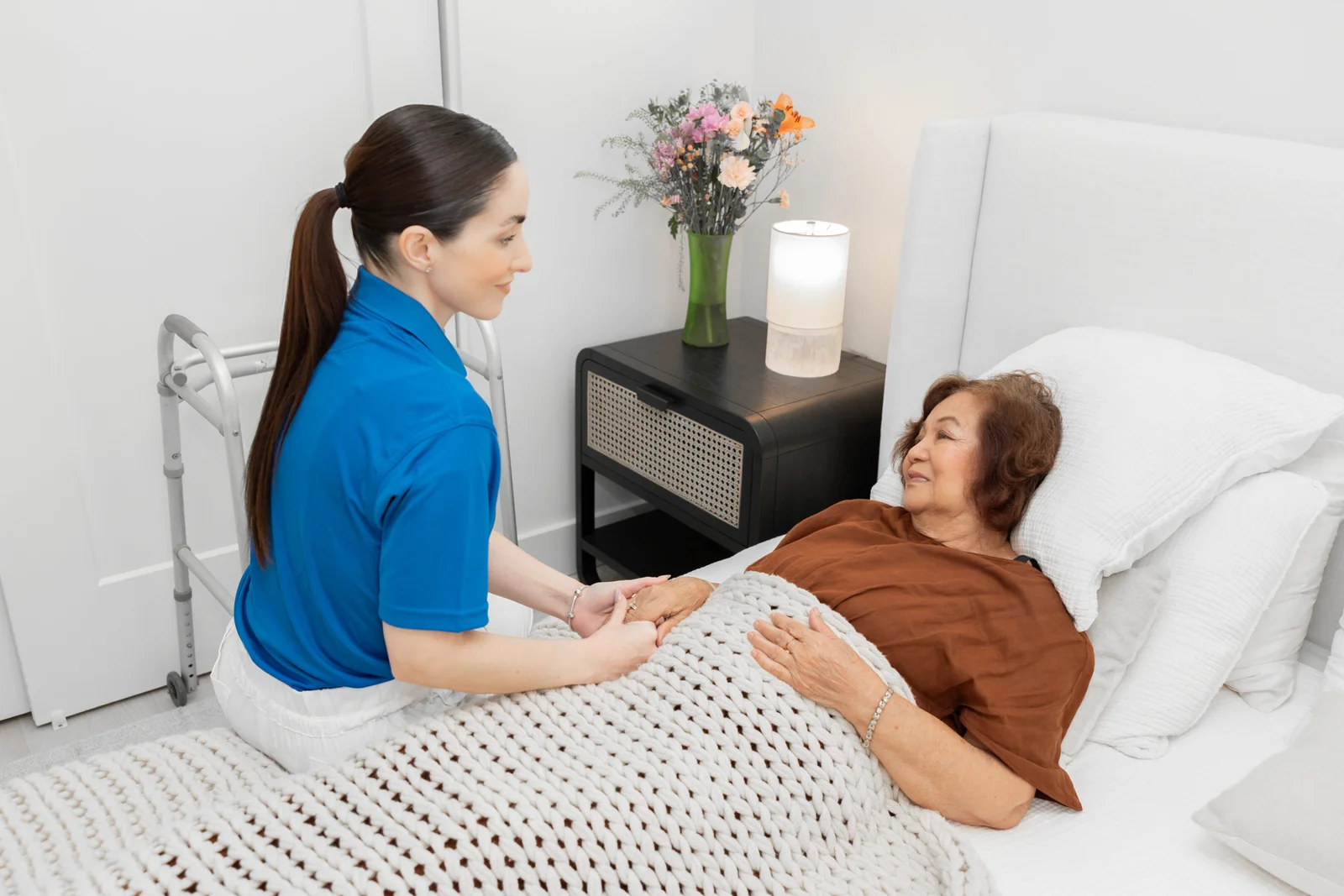
- Showers or baths are being skipped, or there is a new hesitation about getting in the tub
- Clothes are stained, worn for several days, or wrong for the season
- Hair, nails, or shaving have been let go by someone who once took real pride in them
- Moving around the house looks effortful, or there have been near stumbles
- Meals are being missed, or the fridge holds food that has gone by
- Mornings feel rushed and overwhelming, for your parent or for you
One of these on its own may mean nothing. A pattern that keeps showing up is worth a gentle conversation.
A kind way to bring it up
Lead with what you have noticed and how much you care, not with a list of problems. Try something like, I have noticed mornings feel like a lot lately. Could we find someone to make them easier? Framing help as a gift of ease, rather than a loss of ability, keeps the door open.
How Personal Care Protects Dignity and Independence
The fear underneath most of these conversations is the same: that accepting help means giving up independence. Thoughtful personal care does the opposite.
When bathing feels safe and unhurried, a person is far more likely to keep doing it. When getting dressed is not an exhausting battle, mornings become calm again. Support with the hardest tasks frees your parent to spend their energy on the parts of life they actually enjoy.
Independence is not doing everything alone. It is having the right support so you can keep making your own choices, in your own home.
How to Start Gently
You do not have to solve everything at once. Many families begin with just a few hours a week, focused on the hardest part of the day, and grow from there as trust builds.
- Start small: pick the one moment that causes the most stress, often the morning shower and dressing routine
- Introduce the caregiver as a helper for you, the family, so your parent does not feel singled out
- Keep the first visits light and unhurried, with time for conversation as well as tasks
- Revisit after a couple of weeks and adjust the schedule to fit what is actually working
Over time, the right caregiver becomes a familiar, welcome face, someone your parent looks forward to seeing rather than someone they tolerate.
What to look for in a caregiver
When you choose a home care team, ask how caregivers are screened and supervised. At Aloha Senior Home Care, care is nurse led, every caregiver is background checked, and support is available 24/7 so families are not left guessing. Aloha Senior Home Care is a licensed California Home Care Organization, founded by Maya German, a registered nurse, serving families across San Diego County, and our support is non-medical, focused on the day to day.
Explore related care and next steps
Let's talk, whenever you are ready
If you are wondering whether personal care would help your family, we are glad to talk it through with no pressure and no cost. Call (858) 399-1400 or email hello@alohaseniorhomecare.com for a warm, honest conversation about what your parent needs.