
When memory changes enter a family's life, the world can start to feel unpredictable for the person living through it. Familiar faces blur, yesterday slips away, and small surprises that once felt harmless can feel unsettling. This is exactly why calm daily routines matter so much. A steady, familiar rhythm gives a loved one something they can lean on when memory is uncertain, a shape to the day that feels safe, known, and their own. Routine is not about rules. It is about comfort.
Why a Familiar Rhythm Brings Comfort
For someone living with dementia, the effort of working out what comes next can be tiring and, at times, unsettling. When the day follows a pattern the body already knows, that guesswork softens. Morning coffee in the same chair, a walk after lunch, a favorite show in the evening, these anchors ask very little and give a great deal. The person does not have to hold the plan in mind, because the plan simply happens around them, gently and on time.
Familiarity works the same way. A known room, a well loved blanket, photographs on the wall, the same warm voice at the door each morning, all of it says the same quiet thing: you are safe, and you are home. Consistency in who provides the support matters too. A caregiver who returns day after day becomes part of that familiar landscape, rather than one more new face to place.
Building Calm Daily Routines That Fit Their Life
The right routine is not borrowed from a book. It grows out of the life your loved one has always led. If they were an early riser who liked the garden before breakfast, keep that. If they always watched the evening news with a cup of tea, protect it. You are not inventing a new day, you are honoring the one they already know and smoothing its edges.
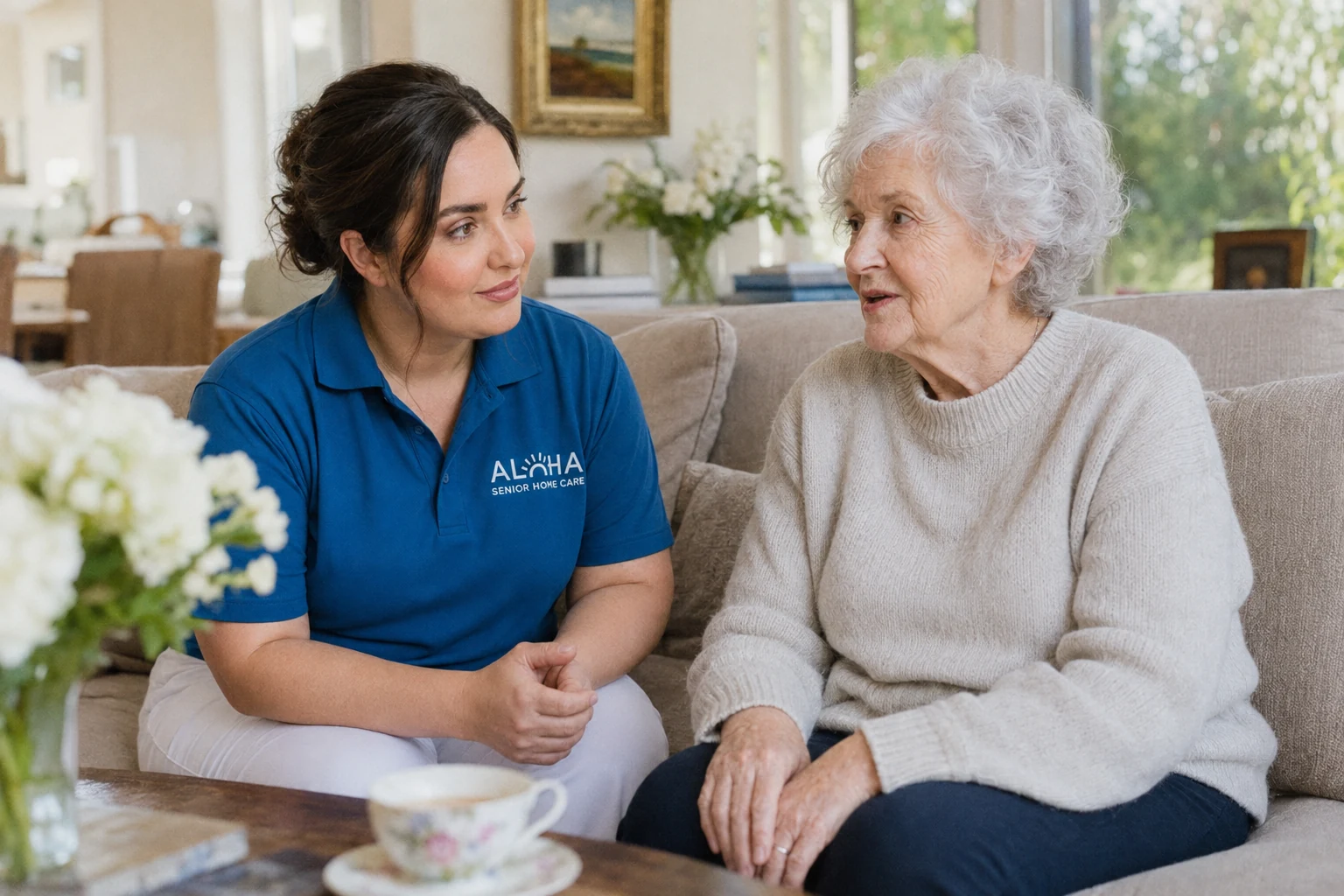
A gentle daily rhythm might look something like this:
- Wake, wash, and dress at roughly the same time each morning, without rushing
- Anchor the day with regular meals and snacks at familiar hours
- Follow more demanding moments, like bathing, with something restful and enjoyed
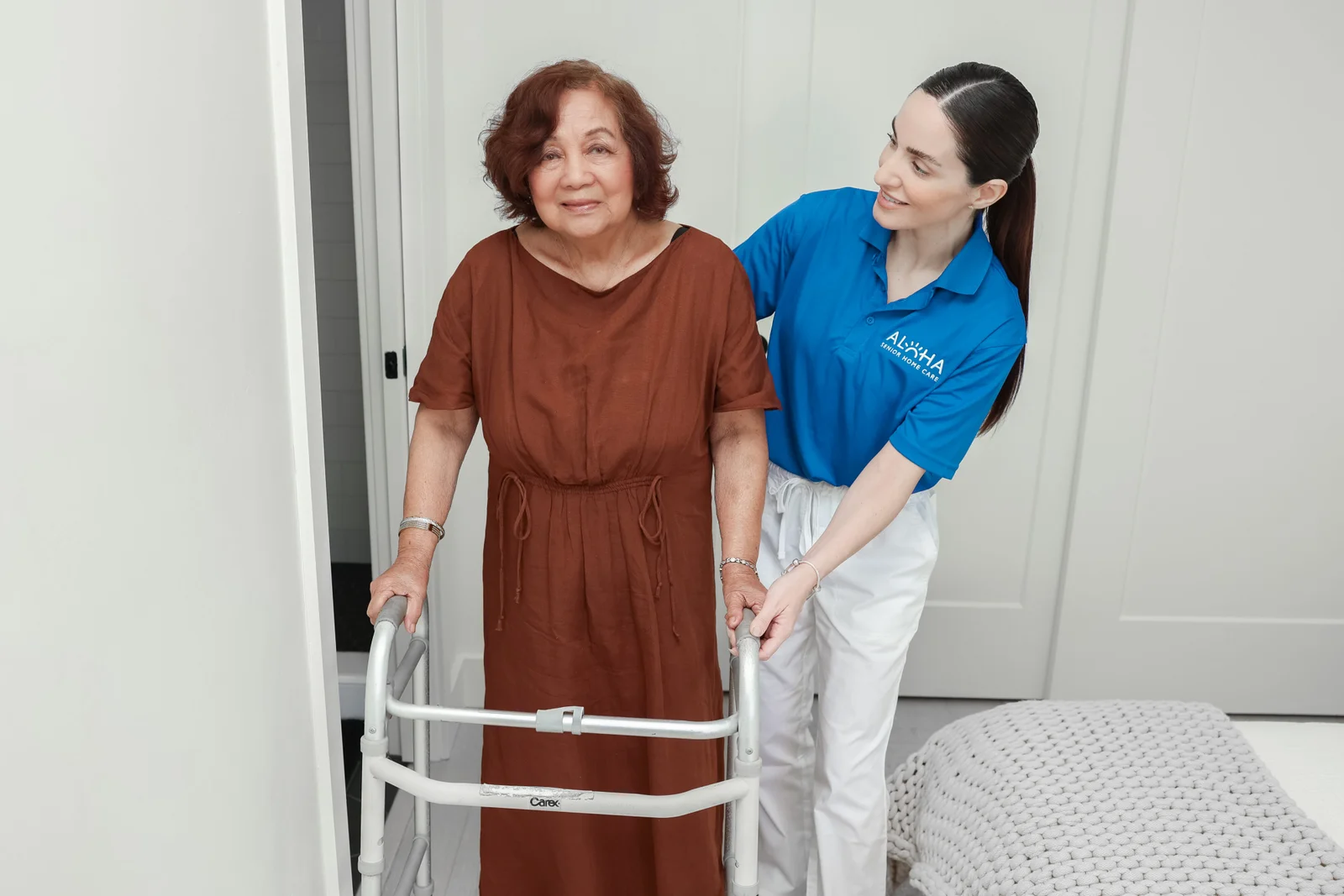
- Build in fresh air and light movement, such as a short walk or time by a sunny window
- Keep the afternoons calmer, and let the evening wind down slowly toward rest
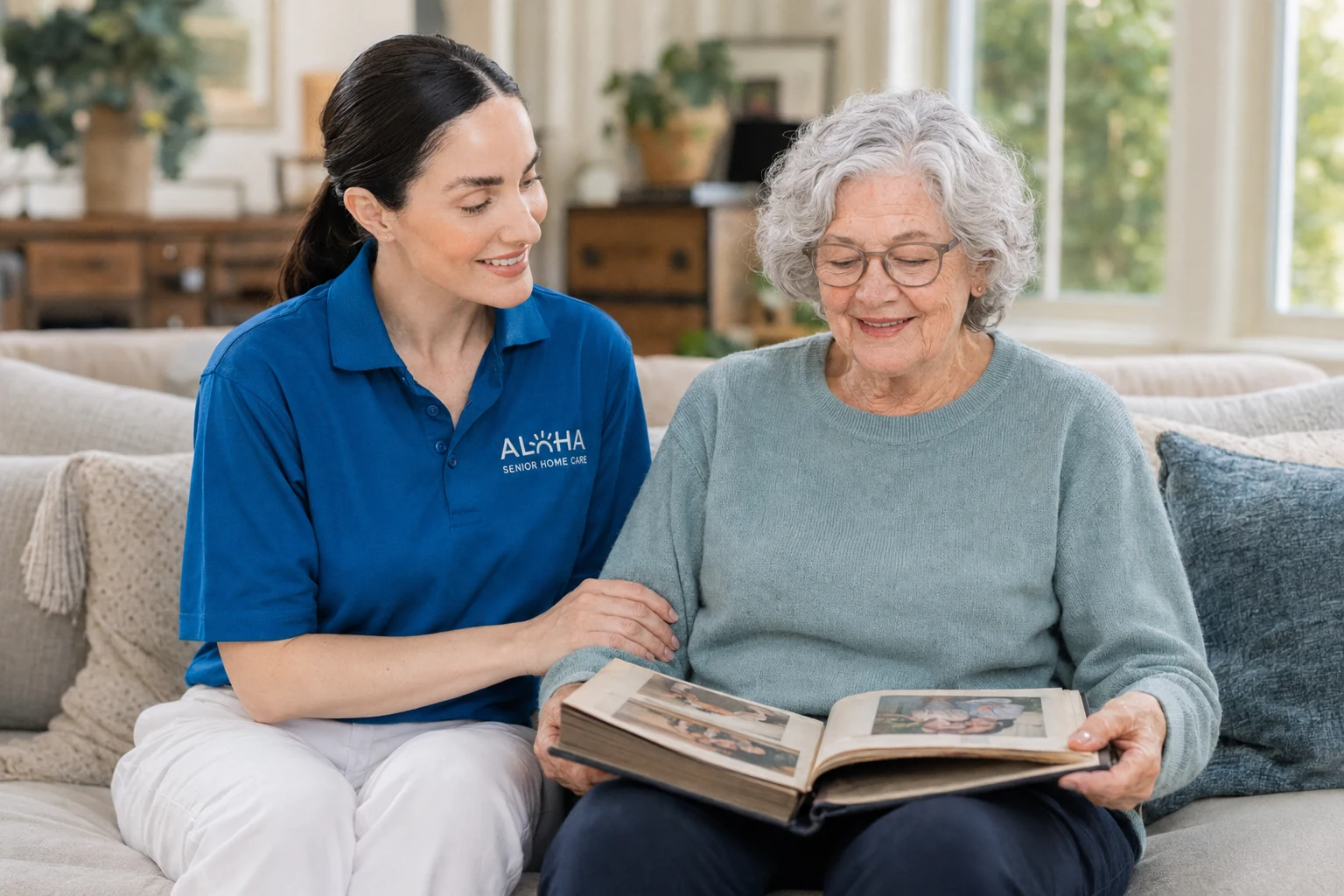
- Save favorite comforts, a song, a photo album, a warm drink, for moments that feel unsettled
Notice that the goal is not a rigid timetable measured to the minute. It is a familiar order to things, flexible enough to follow their mood on any given day. Some mornings will move slowly, and that is perfectly fine. The rhythm is there to serve them, never the other way around.
Follow their pace, not the clock
If a step is met with resistance, it is rarely worth a battle. Step back, offer a moment, and try again a little later or in a softer way. A calm caregiver who is not in a hurry can turn a tense moment into an easy one. Flexibility inside a familiar routine is the whole art of it.
Quieting the Home So Calm Can Settle
Too much happening at once, a loud television, several conversations, a crowded room, can feel overwhelming when the mind is working hard to keep up. You can do a great deal simply by softening the background. Lower the noise, let in natural light, clear the clutter from the spaces they use most, and keep only one activity going at a time.
Small, predictable touches help the home feel easy to read. Keep everyday items in the same place. Leave a clear path to the bathroom and the bedroom. Open the curtains in the morning and dim the lights as evening comes, so the home itself gently signals the time of day. None of this needs to be clinical or bare, it just needs to feel calm, uncluttered, and known.
You are not trying to fill every hour. You are trying to make the hours feel safe, familiar, and gently their own.
When the Day Gets Harder
Even the steadiest routine will have harder moments, and later in the day can feel especially tender. When that happens, the most helpful response is often not a correction but a gentle turn. Rather than arguing with a confused thought, you can meet the feeling behind it, offer reassurance, and softly guide toward something comforting and familiar, a favorite song, a warm drink, a look through old photographs together.
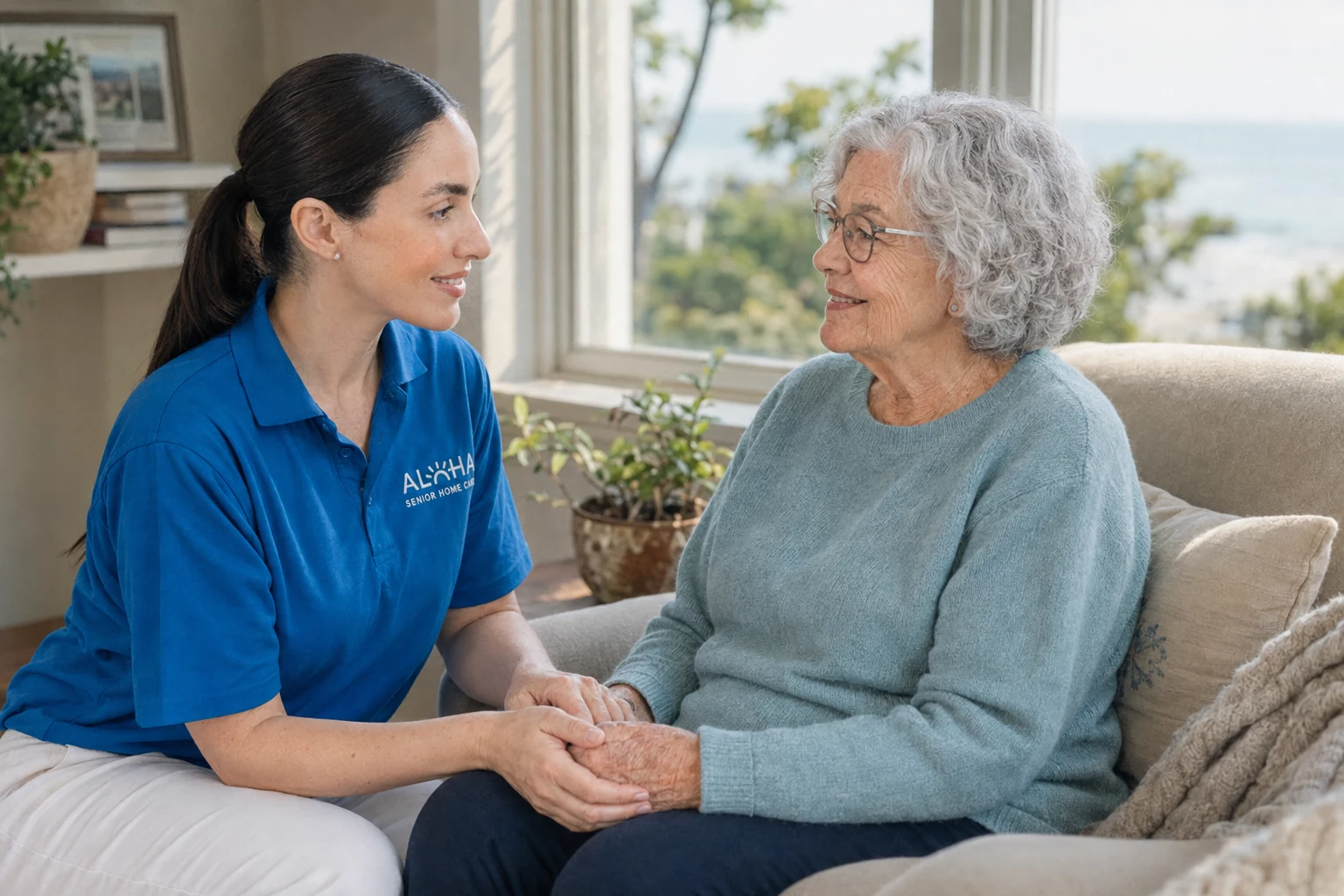
A calm, unhurried presence carries more than any words. Slow your voice, keep your face kind, and let the person feel that whatever the moment holds, they are not facing it alone. This is the heart of gentle, non-medical support, being a steady, familiar companion through the day.
This kind of everyday help is exactly what a good caregiver provides. At Aloha Senior Home Care, care is nurse led and delivered by background checked caregivers, with support available 24/7 across San Diego County. Founded by Maya German, RN, and licensed as a California Home Care Organization, the team works to keep the same familiar faces coming through the door, so a calm routine has the consistency it needs to feel like home.
One gentle note. This is general information about non-medical home care, not medical advice. For any questions about memory or overall health, your loved one's doctor is always the right place to turn.
Explore how Aloha Senior Home Care supports families at home
We are here whenever you are ready to talk
If you would like a warm, no pressure conversation about supporting a loved one with memory changes at home, we would be glad to listen. Call (858) 399-1400 or email hello@alohaseniorhomecare.com, and we will talk through what a calm, familiar day could look like for your family. No commitment, just a friendly place to begin.