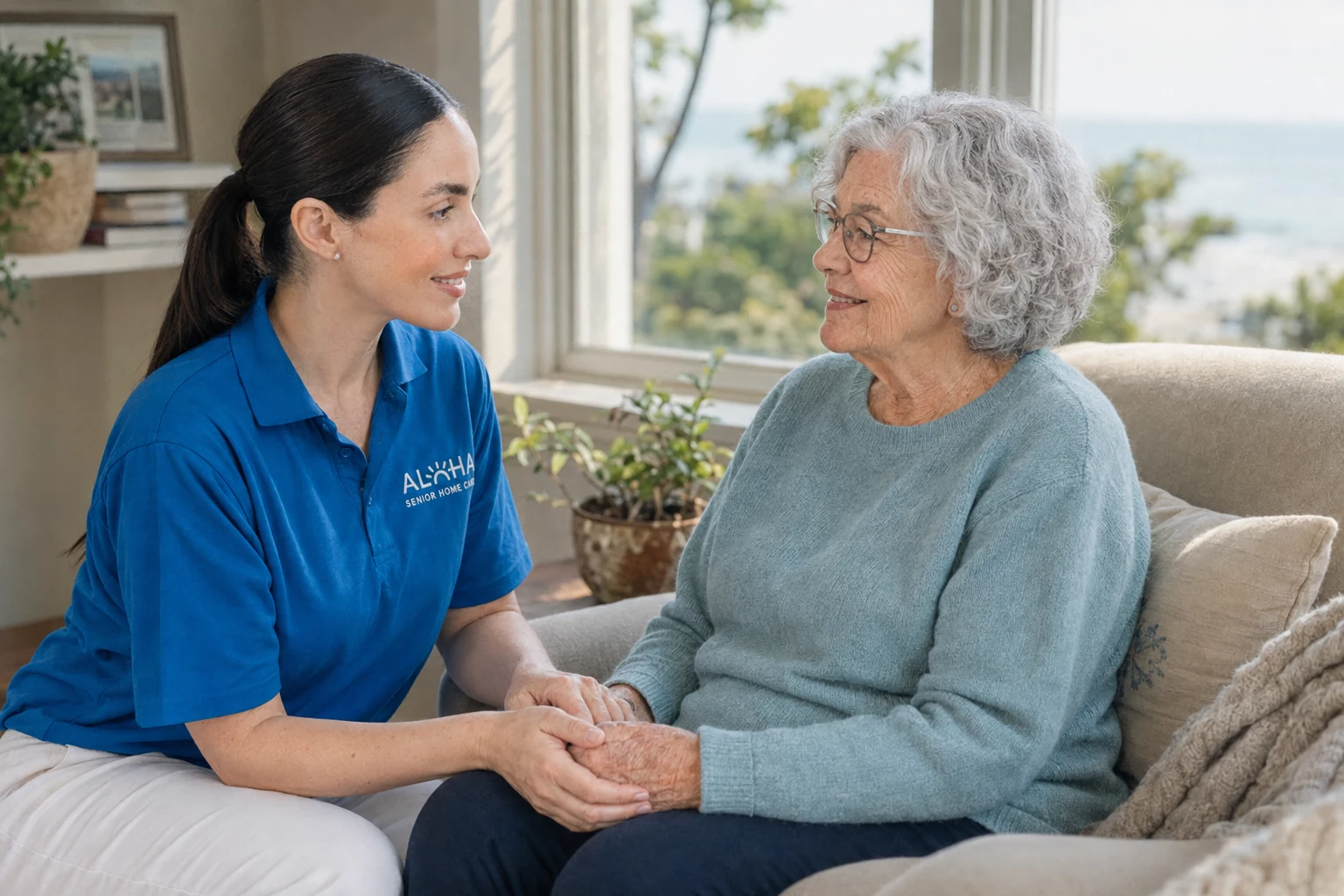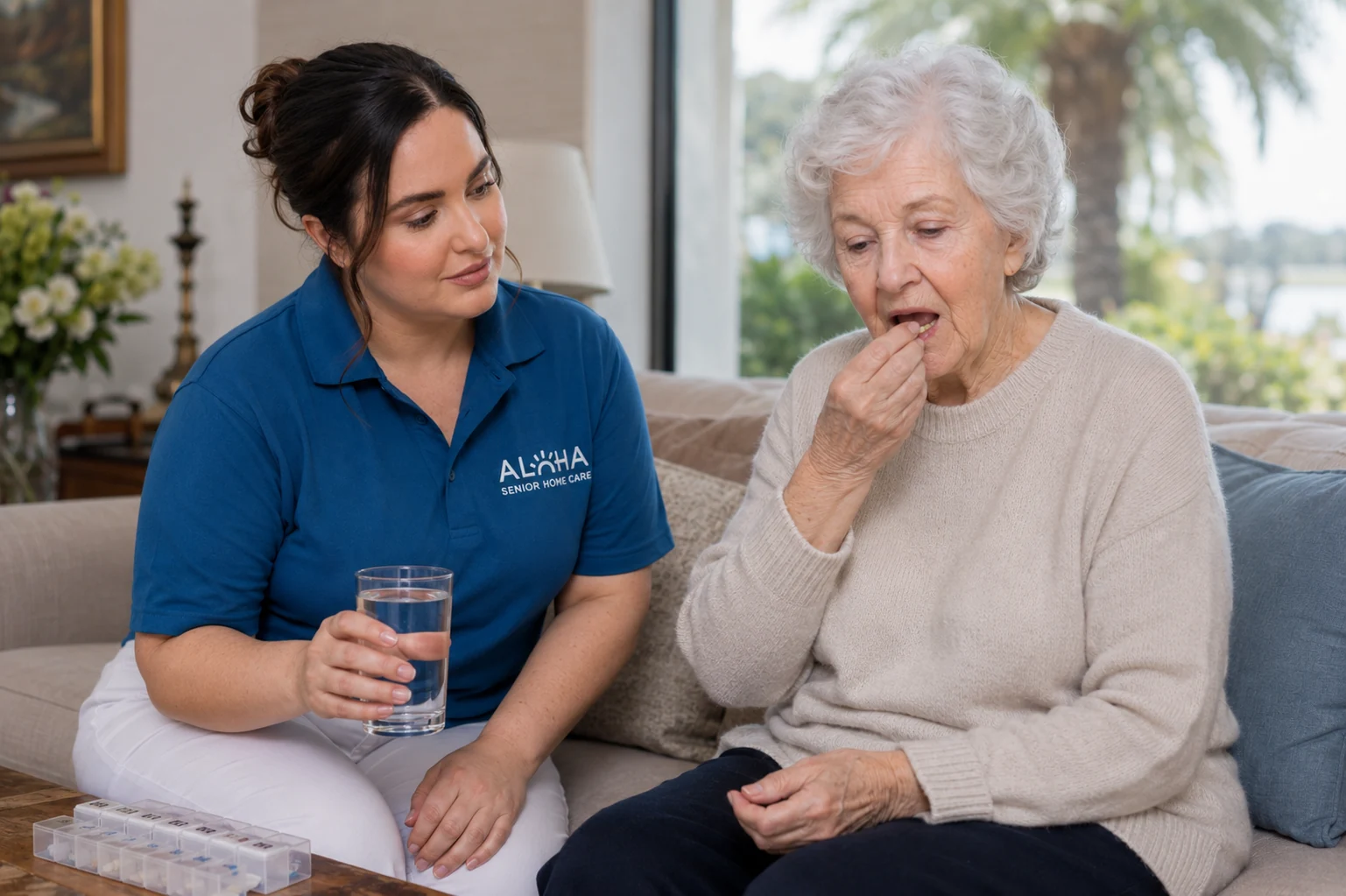

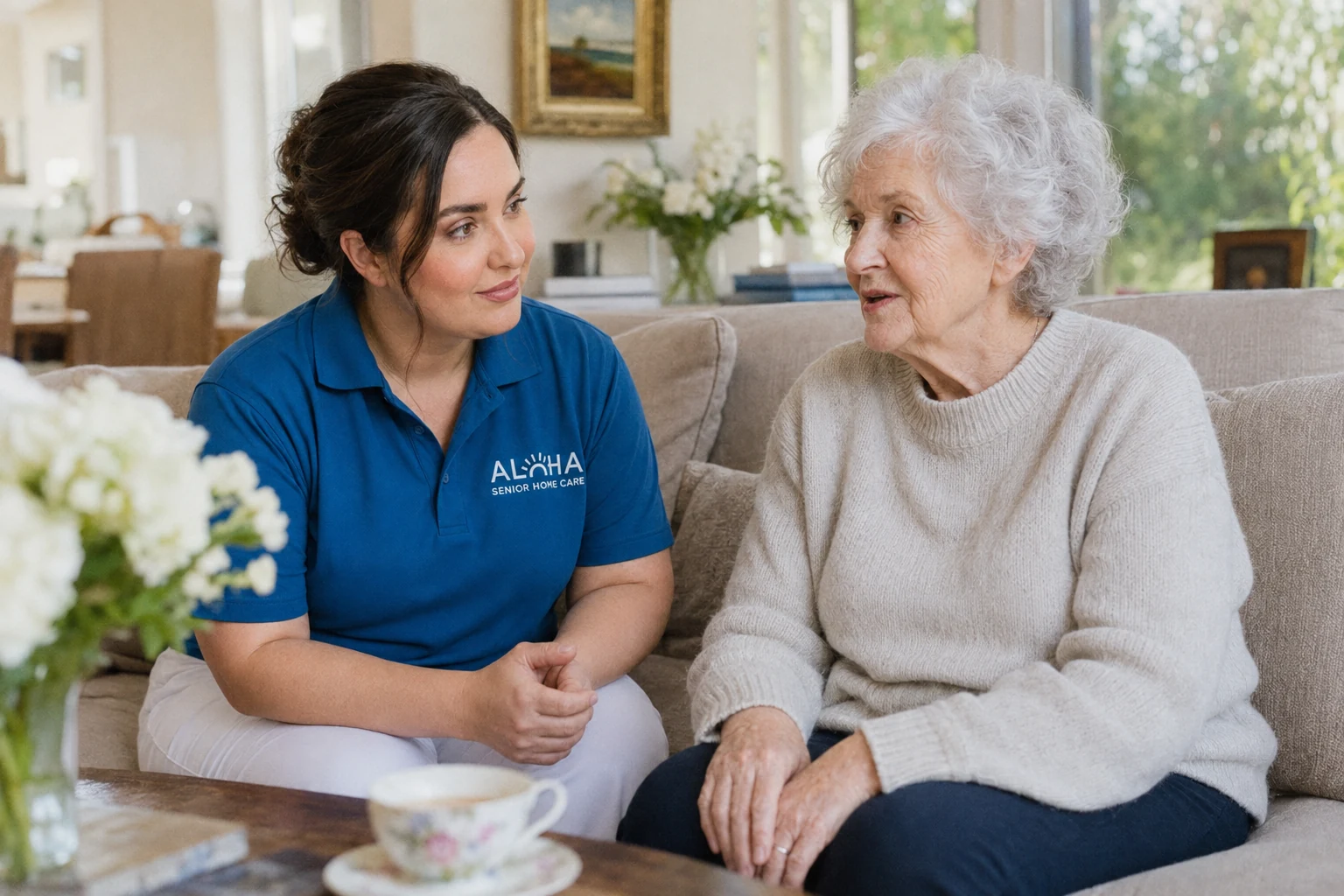
Dementia support at home can be the gentle first step that keeps everyday life familiar, calm, and connected. For many families across San Diego County, it arrives quietly, at just the moment the worry becomes hard to carry alone. If you have started to notice that a parent repeats the same question within minutes, forgets a pot warming on the stove, or seems lost on a street they have walked for thirty years, you are probably wondering what comes next.
Memory loss rarely announces itself with one dramatic moment. It arrives in small changes that add up until, one day, the worry is hard to ignore. The honest answer for many families is that a little help, offered early and gently, goes a long way and keeps daily life feeling like their own.
How to Tell Memory Changes Are Affecting Daily Life
Everyone misplaces their keys now and then, and forgetting a name does not mean something is wrong. The change worth paying attention to is when forgetting starts to touch safety, nutrition, hygiene, and the ability to manage an ordinary day. You know your loved one better than anyone else does, so trust the pattern you are seeing over time rather than any single hard afternoon.
Some of the changes that tend to show up first include:
- Medications going untaken, or a pill organizer that is still full at the end of the week
- Food spoiling in the fridge, skipped meals, or noticeable weight loss
- Unopened mail, unpaid bills, or new confusion around money
- Getting lost on familiar routes, or unsafe moments behind the wheel
- Wearing the same clothes for days, or a change in bathing and grooming
- More unsteadiness on their feet, or bruises they cannot explain
- Pulling away from friends, hobbies, and conversation
- Rising confusion, anxiety, or restlessness in the late afternoon and evening
Just as important, changes like these can have many causes, from an infection to a medication side effect, a thyroid problem, or low mood, so an evaluation with their physician is an important first step rather than assuming the worst. A doctor can look into what is really going on, and that clarity helps everyone plan the next steps with more confidence.
If several of these feel familiar, it does not mean you have failed or waited too long. It simply means the situation has changed, and it is a good moment to bring in support before a small worry grows into an emergency. Starting early also gives your loved one time to build trust while they can still take part in the choice.
How Dementia Support at Home Helps
Non-medical dementia support is about presence, not procedures. A caregiver never provides medical or nursing services and makes no health or treatment decisions. What they do is quieter, and for many families just as valuable: they help the hours of the day go smoothly and keep a familiar, patient face nearby so no one has to face the confusion alone.
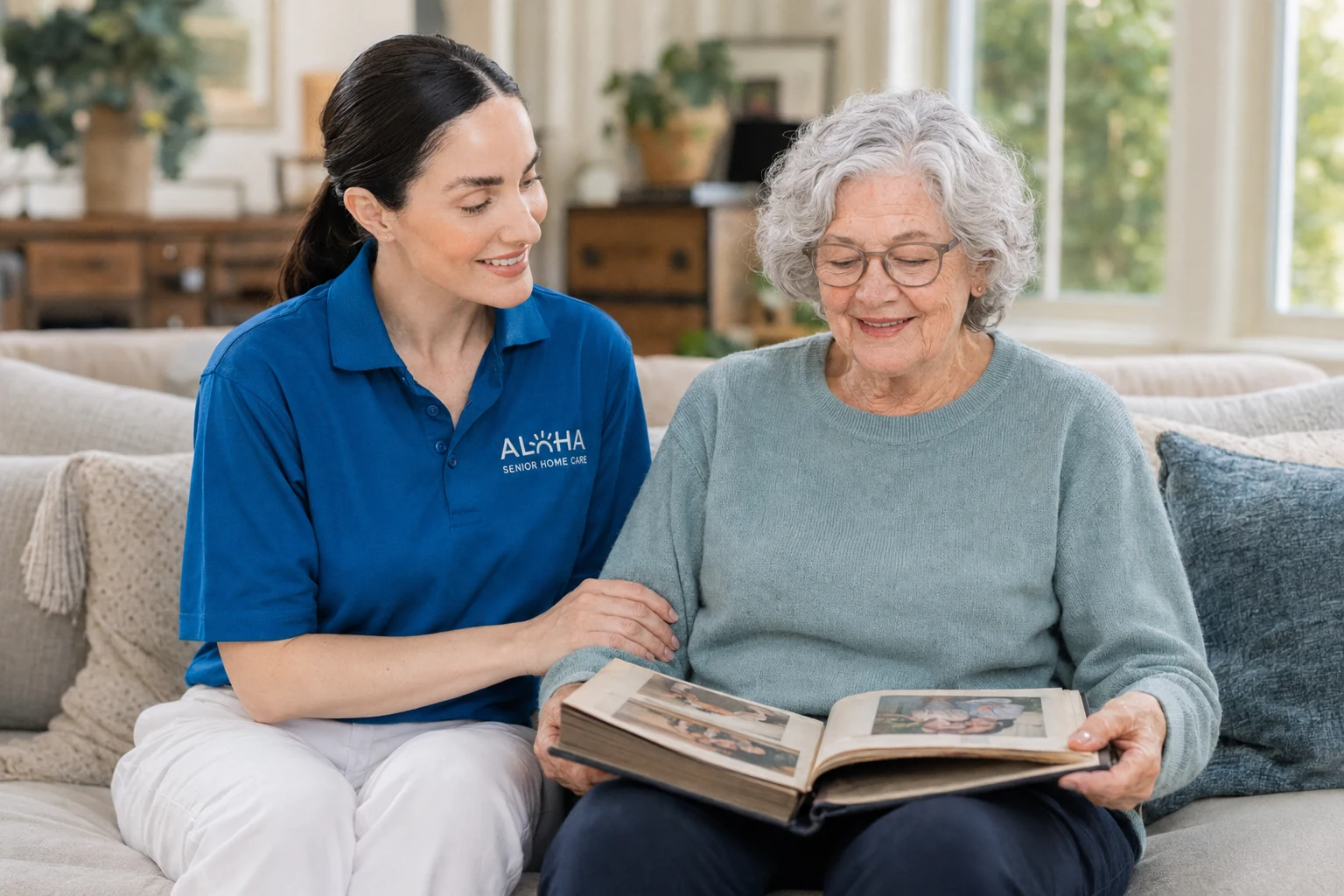
Day to day, that can look like:
- Companionship and conversation to share the long, quiet hours of the day
- Gentle reminders and cues that keep familiar routines on track
- A calm hand with bathing, dressing, grooming, and preparing meals
- Patient redirection when confusion or frustration starts to rise
- Light housekeeping, laundry, and keeping walkways clear and clutter free
- Safe, steady company on walks, errands, and appointments
- Respite so a spouse or adult child can rest and catch their breath
Introduce help during a good moment
When you bring in a new caregiver, try to do it during a calm, familiar part of the day rather than a difficult one. A shared cup of coffee or a favorite old song builds trust far faster than a long explanation ever will. Familiarity, offered gently and repeated, is what slowly builds comfort.
Calm Routines and a Familiar Presence
Dementia can make the world feel unpredictable, and predictability is deeply comforting. A steady rhythm to the day, with meals, rest, activity, and quiet times in roughly the same order, leaves fewer surprises to navigate. Good caregivers learn the small rituals that matter to your loved one: the chair by the window, the tea before bed, the old photographs that reliably bring a smile.
Because our caregivers are background checked and our agency is nurse led, often the biggest relief is simply knowing that someone steady and kind is nearby. Aloha Senior Home Care is a licensed California Home Care Organization founded by Maya German, RN, and support is available 24/7. That means the help can grow gently as needs change, from a few hours of company each week to overnight and around the clock support.
You are not choosing between doing everything yourself and giving up entirely. Support at home is the space in between, where your loved one stays in familiar surroundings and you get to be their family again, not just their scheduler.
An Honest Note on When a Memory Care Community May Fit
Home is the right place for many people for a very long time. But honesty matters more than a sales pitch, and there are situations where a memory care community, with its secured environment and staff on site through the night, may be the safer fit. Choosing to explore that is not a failure. It is love, weighing carefully what is best for someone you cannot imagine your life without.
It may be worth looking at a higher level of care when:
- Wandering has led to leaving the home unsafely, especially at night
- Around the clock supervision is needed and family simply cannot sustain it
- Medical or nursing needs have grown beyond what non-medical support can offer
- Distress or aggression is putting your loved one or others at risk
- The family caregiver's own health and wellbeing are wearing down under the strain
Even then, you do not have to decide alone or overnight. A calm conversation with people who understand the options, and who will tell you the truth rather than push you, can make a hard path a little clearer and a lot less lonely.
Where to go from here
Let us talk it through, no pressure
If you are unsure what your family needs right now, we are glad to simply listen. Call Aloha Senior Home Care at (858) 399-1400 or email hello@alohaseniorhomecare.com for a free, friendly conversation about dementia support at home anywhere in San Diego County. No script and no pressure, just a little help thinking it through.