
Coming home from the hospital should feel like relief. For a lot of families, the first few days feel like the opposite. This is exactly where home recovery support earns its place, turning a hard, disorienting week into one the household can actually manage. Aloha Senior Home Care is a nurse led, licensed California Home Care Organization, and our caregivers step in with the practical, non-medical help a hospital cannot send home with you: a warm meal, a steady arm, a tidy kitchen, and calm, patient company.
Why the First Days Home Are the Hardest
In the hospital there is a call button and a nurse just down the hall. At home, that safety net disappears the moment the front door closes. The person recovering is often tired, sore, and moving slowly, while the family member helping suddenly becomes cook, driver, note taker, and cheerleader all at once.
The paperwork alone can run several pages. There are follow up appointments to book, new routines to learn, and a house that may not be set up for someone moving carefully. It is a great deal to carry, especially in that first week when energy is at its lowest and everyone is running on little sleep.
What Home Recovery Support Looks Like
Our help is hands on and non-medical. We do not provide nursing, physical therapy, or hands on medical tasks such as tending wounds, and we never make decisions about medicine or treatment. What we do is take the day to day off the family's plate so the household has room to rest.
Every recovery is different, so the help flexes to fit. Some families need a few hours in the morning to get the day started safely. Others want someone there through the afternoon, or overnight, during the hardest stretch. A typical week can include:
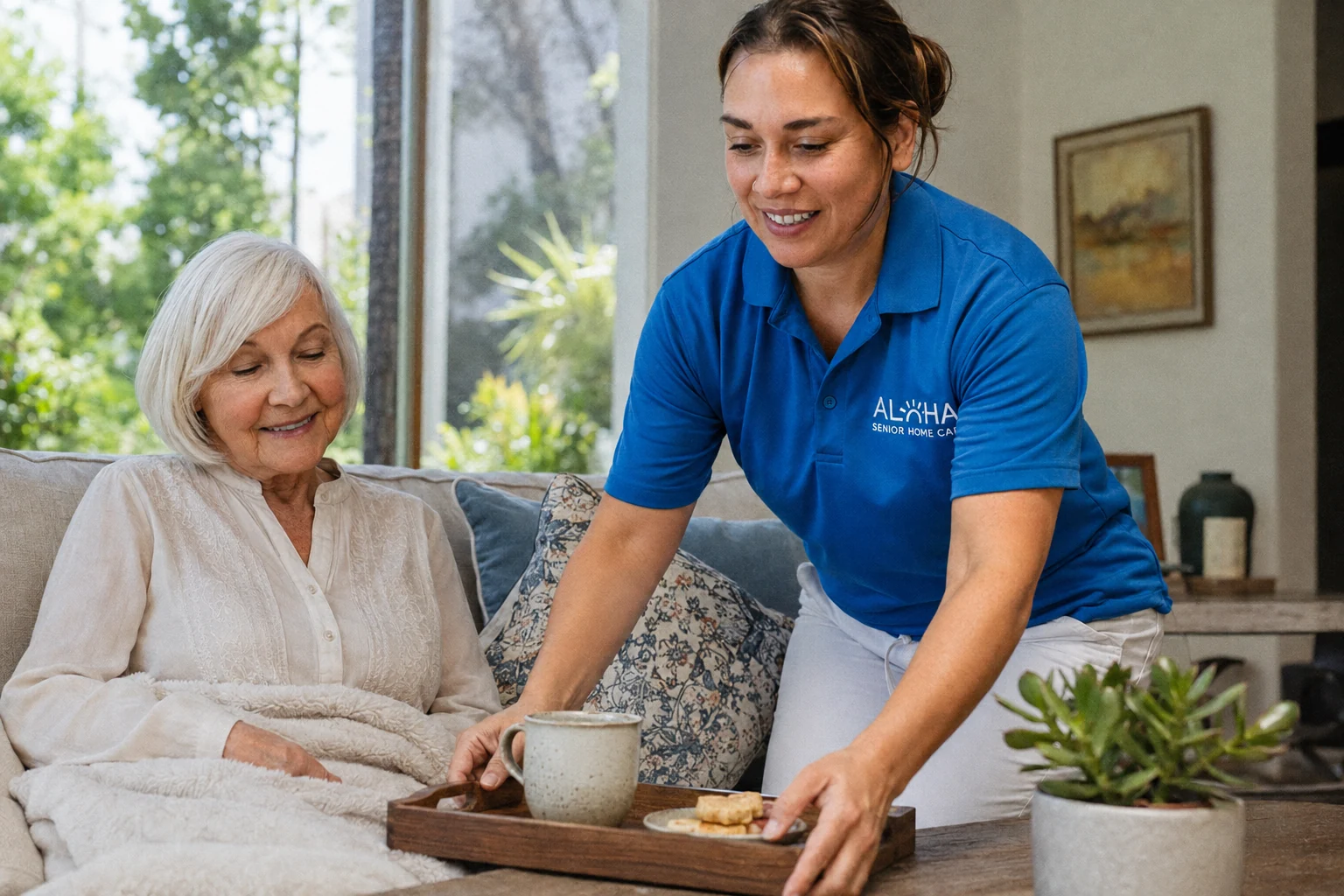
- Preparing simple, appealing meals and keeping water within easy reach
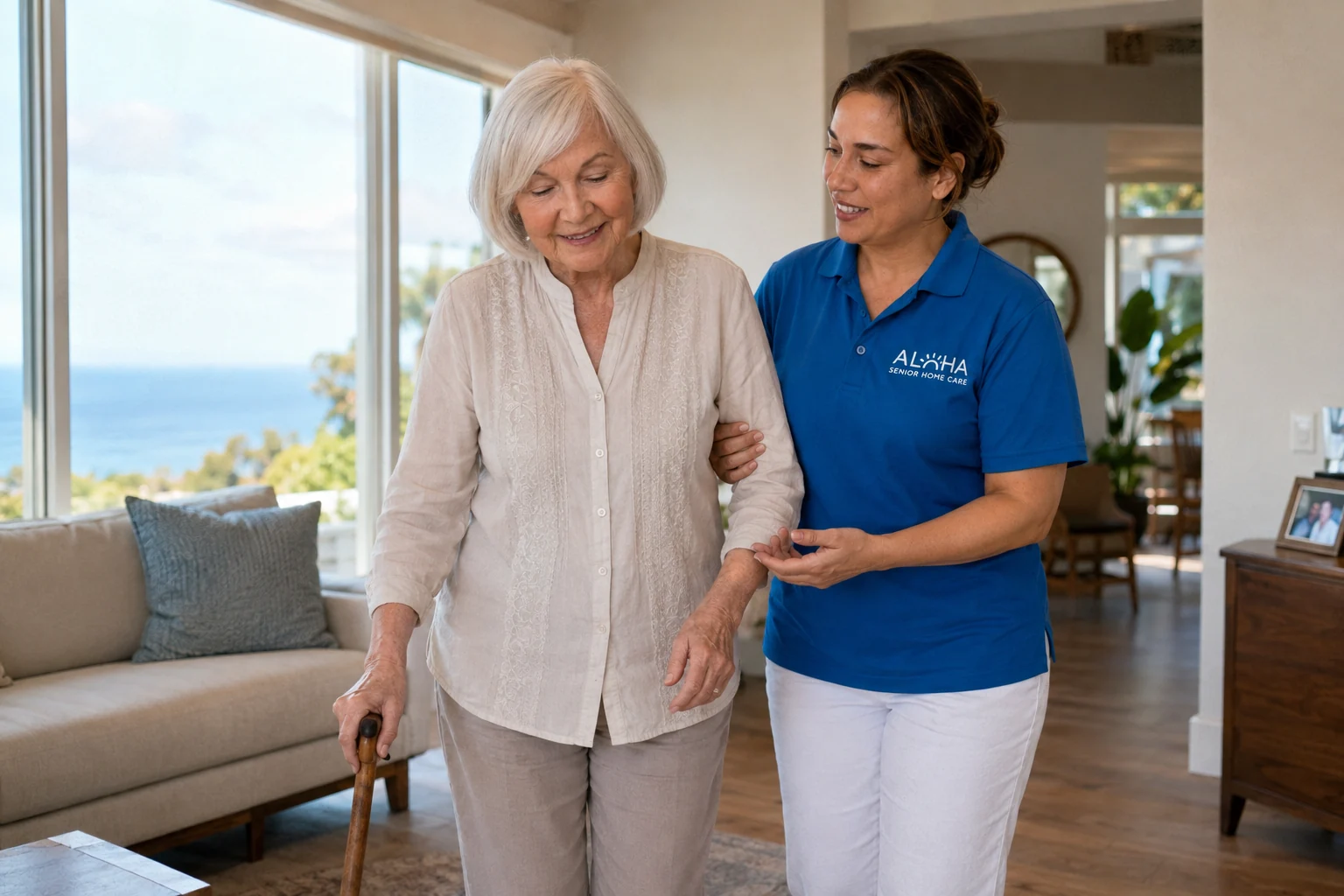
- A steady arm for the walk to the bathroom, the kitchen, or the car
- Light housekeeping so floors stay clear and the home feels calm
- Errands, grocery runs, and pharmacy pickups
- Rides to follow up appointments, plus a second set of ears while you are there
- Friendly company through the long, quiet hours of the day
Clear the path before homecoming day
Walk each room your loved one will use and remove throw rugs, loose cords, and clutter from the routes they travel most. Good lighting and a clear way to the bathroom make those first nights far less stressful for everyone.
Non-medical services families lean on after discharge
Keeping the Recovery Plan on Track
A discharge plan only works if someone follows it, day after day, when the household is tired and the days blur together. That means keeping appointments straight and honoring the balance of rest and gentle activity the medical team asked for, even in the weeks when energy runs low.
Our caregivers help the whole family stay organized, with a shared calendar, gentle reminders about appointments and routines, and clear notes so everyone stays in the loop. If something does not seem right, we let the family know right away so they can reach the right person, quickly.
The hard days after a hospital stay feel lighter when home is calm — a warm meal, a slow walk down the hall, and steady company close by.
Working Alongside Your Medical Team
We are one part of a larger circle. Doctors, discharge planners, home health nurses, and therapists guide the medical side of recovery. Our job is to make their plan easier to live with by covering everything around it, so the household is not stretched thin.
Because Aloha Senior Home Care is nurse led, our caregivers are trained to communicate clearly and keep the family in the loop. Every caregiver is background checked, and support is available 24/7, so no family is left scrambling alone at two in the morning.
That coordination matters most right after a stroke, when appointments, exercises, and rest all have to fit together. We keep the routine steady at home so the family can focus on being family, not full time logistics.
Short Term Help That Winds Down as Strength Returns
Recovery care is meant to be temporary. It might mean full days during that first difficult week, easing to a few visits as your loved one steadies, then stopping altogether once they are back on their feet. There is no long term commitment, and the plan can change as often as recovery does.
After a stroke in particular, the needs can shift week to week. Keeping the same trusted caregiver through those changes means less starting over and more consistency, which tends to make everything at home feel calmer.
This is general information, not medical advice. Please follow the discharge instructions and guidance from your loved one's care team, and reach out to them with any medical questions.
Let us talk about the days after discharge
If someone you love is heading home soon, we are glad to talk it through, at no cost and with no pressure. Call (858) 399-1400 or email hello@alohaseniorhomecare.com, tell us what the week ahead looks like, and we will help you figure out what would make it easier. No script, no obligation.