
When someone you love comes home after a hospital stay, an illness, or a fall, the hardest stretch is often not the crisis itself but the quiet weeks that follow. Helping a loved one rebuild strength at home takes patience, steady routines, and more encouragement than most families expect. Recovery rarely moves in a straight line. Some days feel like real progress, and others feel like standing still. Warm, patient, non-medical support close by can make those in between weeks feel less lonely, and a little more hopeful, for everyone under the roof.
What it takes to rebuild strength at home
Rebuilding strength is really the sum of many small things done consistently. It is getting up and dressed, moving a little more today than yesterday, eating enough, sleeping well, and staying connected to the people and habits that make a home feel like home. None of it is dramatic. Most of it is quiet, repeatable, and easy to let slide when someone is tired or discouraged.
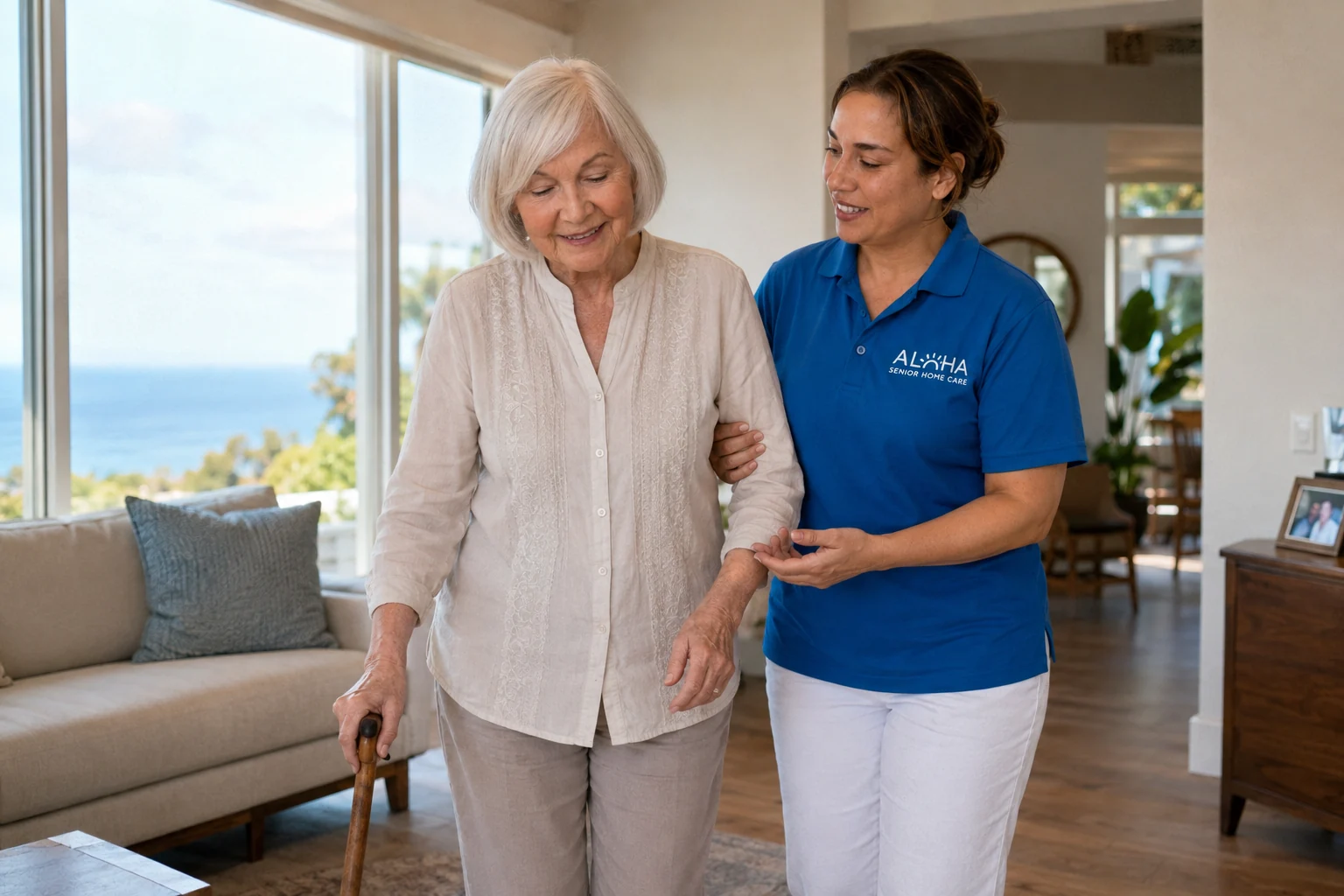
This is where a steady presence matters. When a caregiver is there to open the curtains, warm up breakfast, and gently note that the walk down the hallway is worth doing today, the small things actually get done. Our role is never to push or to hurry. It is to hold the routine so your loved one can put their energy into healing at their own pace, on their own terms.
Small routines that steady the day
Predictable rhythms take a surprising amount of weight off a recovering body and mind. When mornings, meals, and rest happen at roughly the same time, there is less to decide and less to worry about. A caregiver can help hold that shape without making anyone feel managed or rushed.
- A calm morning routine: waking, washing up, dressing in real clothes, and a proper breakfast
- Gentle reminders for appointments, fluids, and rest, so nothing important is forgotten
- A tidy, clutter free path through the rooms your loved one uses most
- Short, unhurried moving breaks during the day, at whatever pace feels right
- A shared errand or two, so the world outside still feels within reach
- A wind down in the evening that makes good sleep easier
Good meals, easy movement, and company
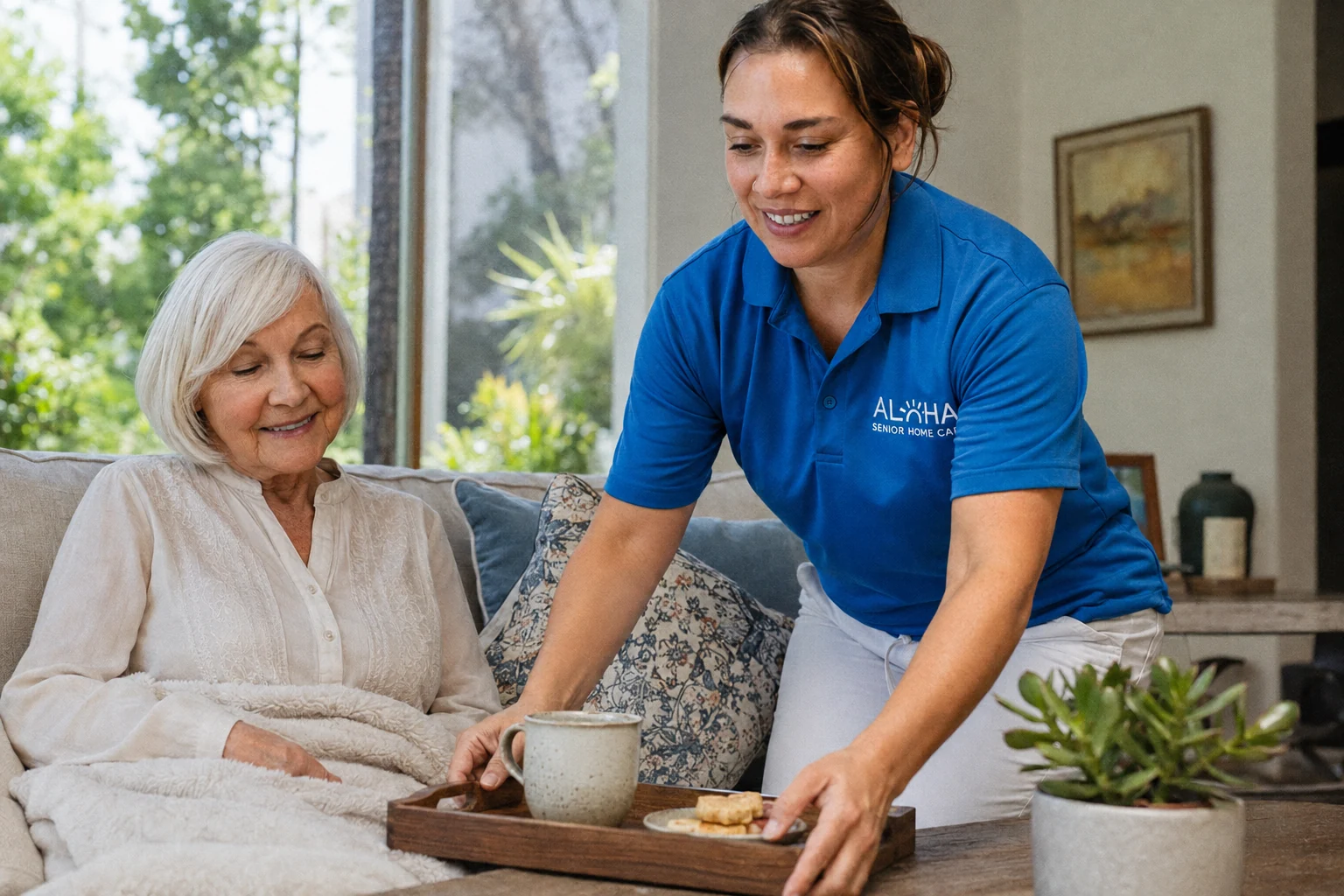
Appetite often fades after a hospital stay, yet good food is one of the simplest ways to feel steadier. A caregiver can shop for the groceries your loved one actually likes, cook simple home cooked meals, and sit down to share them so eating feels social again rather than a chore. Small, frequent plates usually go down easier than three large ones.
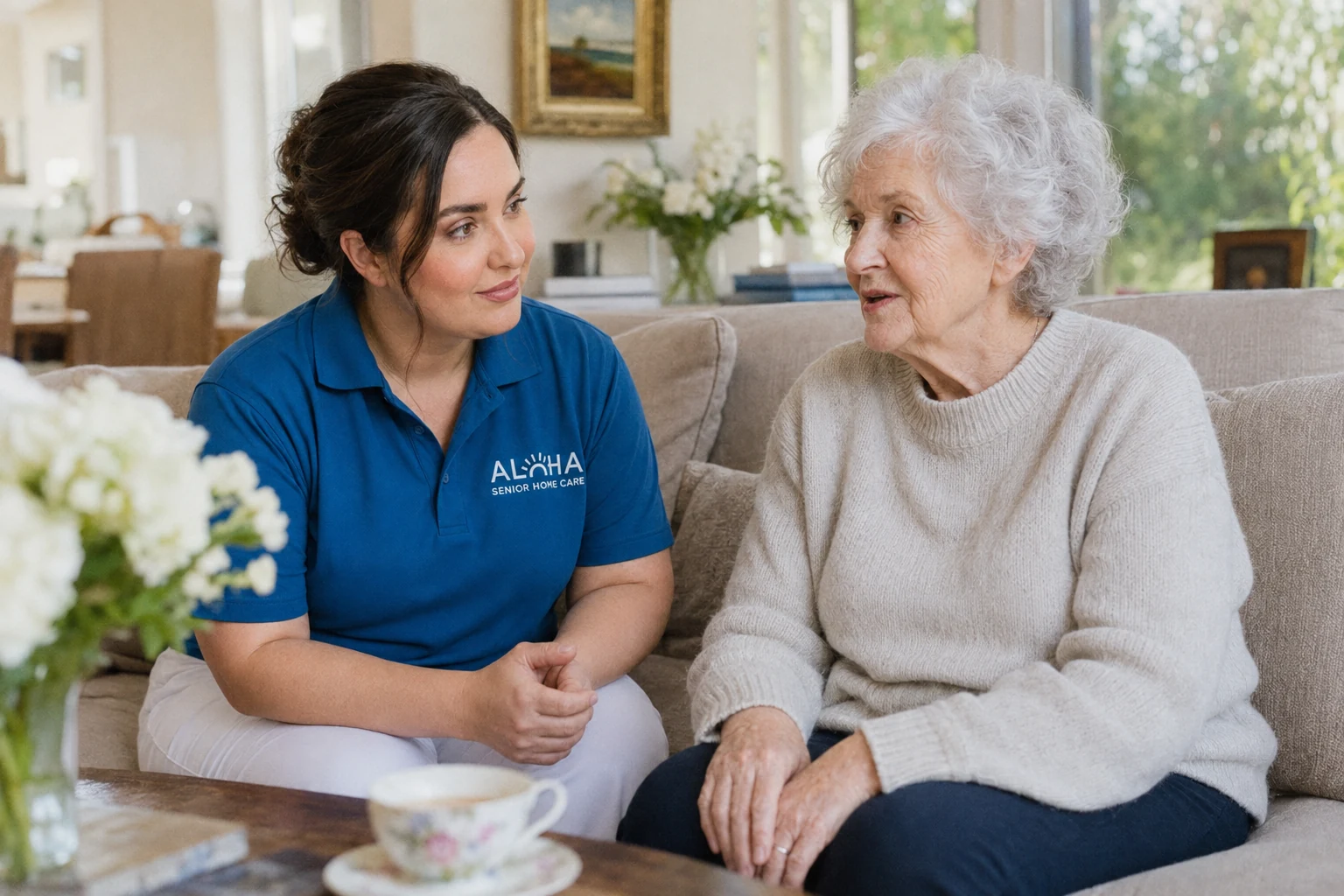
Movement matters too, always at a comfortable pace and always within whatever a doctor or therapist has advised. That might be a slow lap of the living room, standing at the sink to wash a few dishes, or a short walk to the mailbox on a good afternoon. And company matters just as much: a familiar face, a shared cup of tea, and someone to talk to keeps the days from feeling long.
One small goal a day
On hard days, pick a single, doable goal together, like getting dressed or walking to the kitchen and back. Naming one small win keeps momentum without adding pressure, and it gives everyone something to feel good about by evening.
Where our support ends and the care team leads
It helps to be clear about roles. Aloha Senior Home Care provides non-medical support: the meals, errands, steadying company, light housekeeping, and encouragement that make daily life at home easier. We do not provide nursing, therapy, or the hands on medical tasks a doctor has ordered. When your loved one has exercises from a physical therapist or instructions from their doctor, we follow their lead, keep the space ready, and cheer the effort on. The medical work stays firmly with the professionals trained for it, and we are glad to work alongside them.
Recovery after a hospital stay is rarely a straight line. Some days a slow walk to the mailbox is the whole victory, and that counts.
How Aloha Senior Home Care helps families through recovery
Aloha Senior Home Care is a nurse led, licensed California Home Care Organization serving San Diego County, and our caregivers are background checked and available 24/7. Whether your loved one needs a few hours in the mornings or an overnight presence for peace of mind, there is steady, familiar help to lean on. Families often tell us the biggest relief is simply not having to do it all alone. A nurse led team can talk through the day to day with you and adjust the support as your loved one grows stronger and needs a little less.
Related non-medical support at Aloha Senior Home Care
Let's talk it through, no pressure
If someone you love is finding their footing at home again, we are glad to listen. Call (858) 399-1400 or email hello@alohaseniorhomecare.com for a free, friendly conversation about what might help. There is no obligation, just a chance to figure out the next small step together.
Aloha Senior Home Care provides non-medical recovery support. This article is general information, not medical advice. For any medical question or concern, always follow your loved one's doctor or care team.