

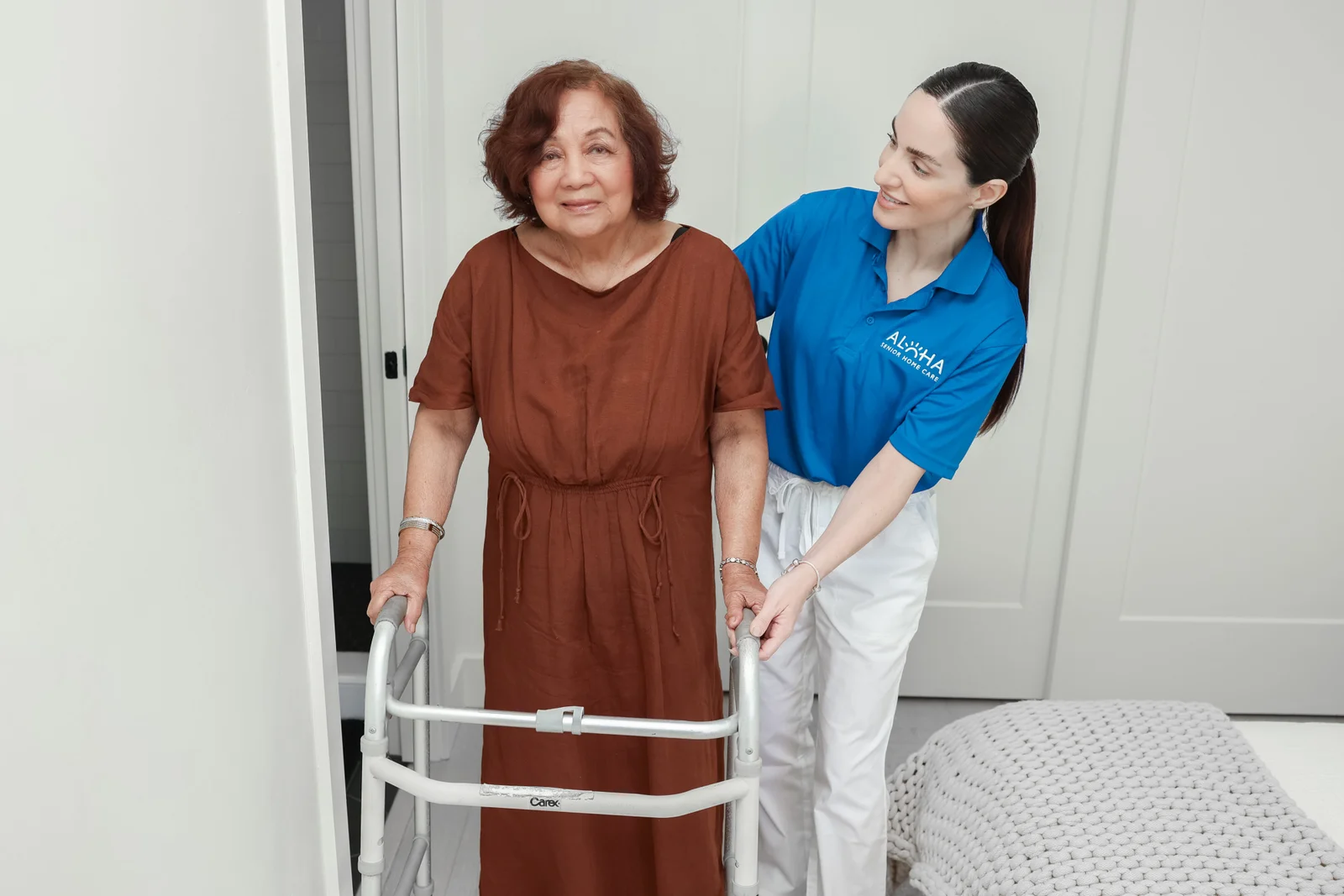
When someone you love is living with Parkinson's, the small moments of the day carry real weight. Calm, predictable Parkinson's daily routines can help a morning feel less stressful and a whole day feel steadier and more their own. This is not about fixing anything or rushing anyone. It is about gently shaping the home and the hours so that a parent or spouse can move at their own pace, keep their confidence, and stay as independent as they comfortably can.
Why a Steady Rhythm Helps
Parkinson's can make movement feel unpredictable. Some hours of the day feel easier than others, and mornings often ask the most of a body that woke up stiff and slow. A familiar rhythm takes some of the guesswork out of all that. When the shape of the day is already known, there are fewer split second decisions to make and far less pressure to hurry.
Everyone experiences Parkinson's differently, and this is general, non-medical information, not medical advice. The medical and movement side of things belongs with their doctor and any therapist they see. What we are talking about here is the day to day: the mornings, the meals, the paths through the house, and the quiet company that makes all of it feel lighter.
Unhurried Mornings Set the Tone
Mornings tend to be the hardest part of the day, so give them the most room. A few extra minutes of margin can turn a rushed, tense start into a calm one, and a calm start has a way of carrying forward into everything that follows.

- Build in extra time so no one is watching the clock
- Lay clothes out the night before and choose easy fasteners over small buttons
- Keep water, glasses, and anything needed within arm's reach of the bed
- Sit down to dress whenever balance feels the least bit uncertain
- Offer a gentle reminder when it is time to take medication on the schedule their doctor set
The point is not to script the morning down to the minute. It is to remove the small stresses, the missing sock, the cold coffee, the feeling of being late, that make a stiff morning feel even harder than it needs to.
Building Parkinson's Daily Routines That Feel Natural
The routines that last are the ones that feel like the person's own life, not a timetable handed to them. Anchor the day around things that already matter: a favorite breakfast, a look at the garden, a phone call with a grandchild, a slow walk to the mailbox if that feels good.
Pay attention to timing, too. Many families notice that certain stretches of the day simply feel better than others. Where you can, plan the tasks that take the most steadiness for those easier windows, and keep the harder hours soft, restful, and free of pressure.
The goal is never to do everything for someone. It is to clear away the friction so they can keep doing what they still can, with dignity and without rushing.
Simple Home Changes That Support Steadiness
A few thoughtful changes around the house can make moving from room to room feel far easier, and none of it requires a renovation. Mostly it is about clearing the way and adding a little support right where hands naturally reach for it.
- Clear walkways of loose rugs, cords, and clutter so the paths stay open
- Add good lighting, including a soft night light on the route to the bathroom
- Choose sturdy chairs with armrests that are easy to push up from
- Ask a professional to fit grab bars near the bed, toilet, and shower, and lay slip resistant mats
- Keep everyday items between waist and shoulder height to limit deep bending and reaching
Walk the route together
Take a slow walk along the paths your loved one uses most, from bed to bathroom to kitchen. Notice where they pause, reach for a wall, or steady themselves on a piece of furniture. Those spots are exactly where a rail, a light, or a sturdy chair will do the most good.
Gentle Timing Through the Day
A steady day is not a packed one. Space meals and activities so there is time to rest in between, keep water within easy reach, and leave quiet gaps where nothing at all needs to happen. Company matters here as much as any home change, since a calm, familiar presence can turn an ordinary afternoon into an easy one.
Watch for the signs of tiredness and let the day bend around them. If an outing needs to slide to tomorrow, that is perfectly fine. Flexibility inside a familiar shape is what keeps a routine kind rather than rigid.
Where a Caregiver Can Help
Sometimes a family simply needs another steady pair of hands. Aloha Senior Home Care is a nurse led, licensed California Home Care Organization serving San Diego County, and our background checked caregivers are available 24/7. We offer non-medical support with the day to day: unhurried mornings, meals, light housekeeping, reminders, mobility support around the home, and warm company. We do not provide nursing or therapy, and we always defer medical and movement questions to your doctor and care team.
Related Aloha Senior Home Care care
Let us talk it through, no pressure
If you are wondering how to make the days feel steadier for someone you love, we would be glad to listen. Call (858) 399-1400 or email hello@alohaseniorhomecare.com for a free, friendly conversation about what a good day at home could look like.