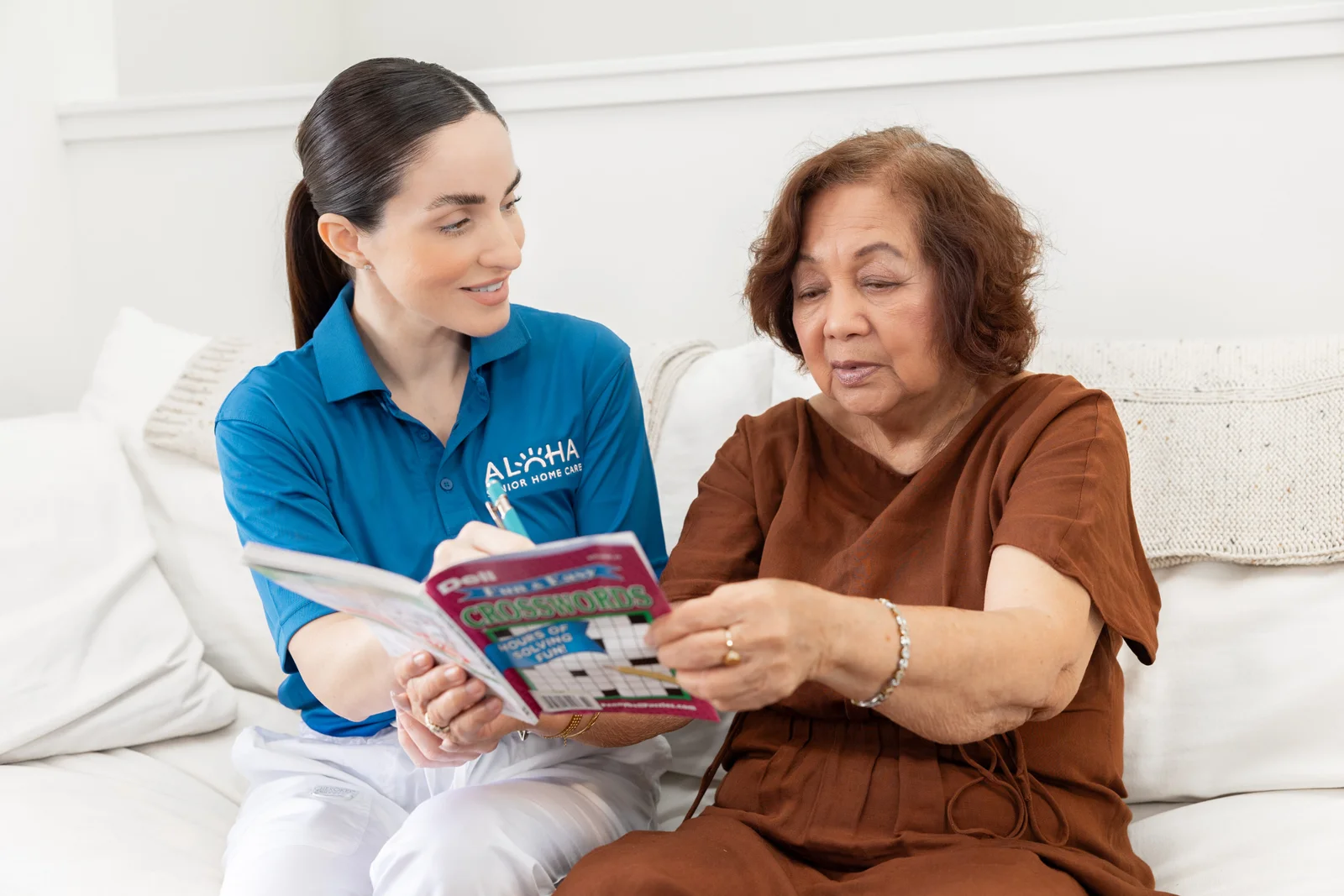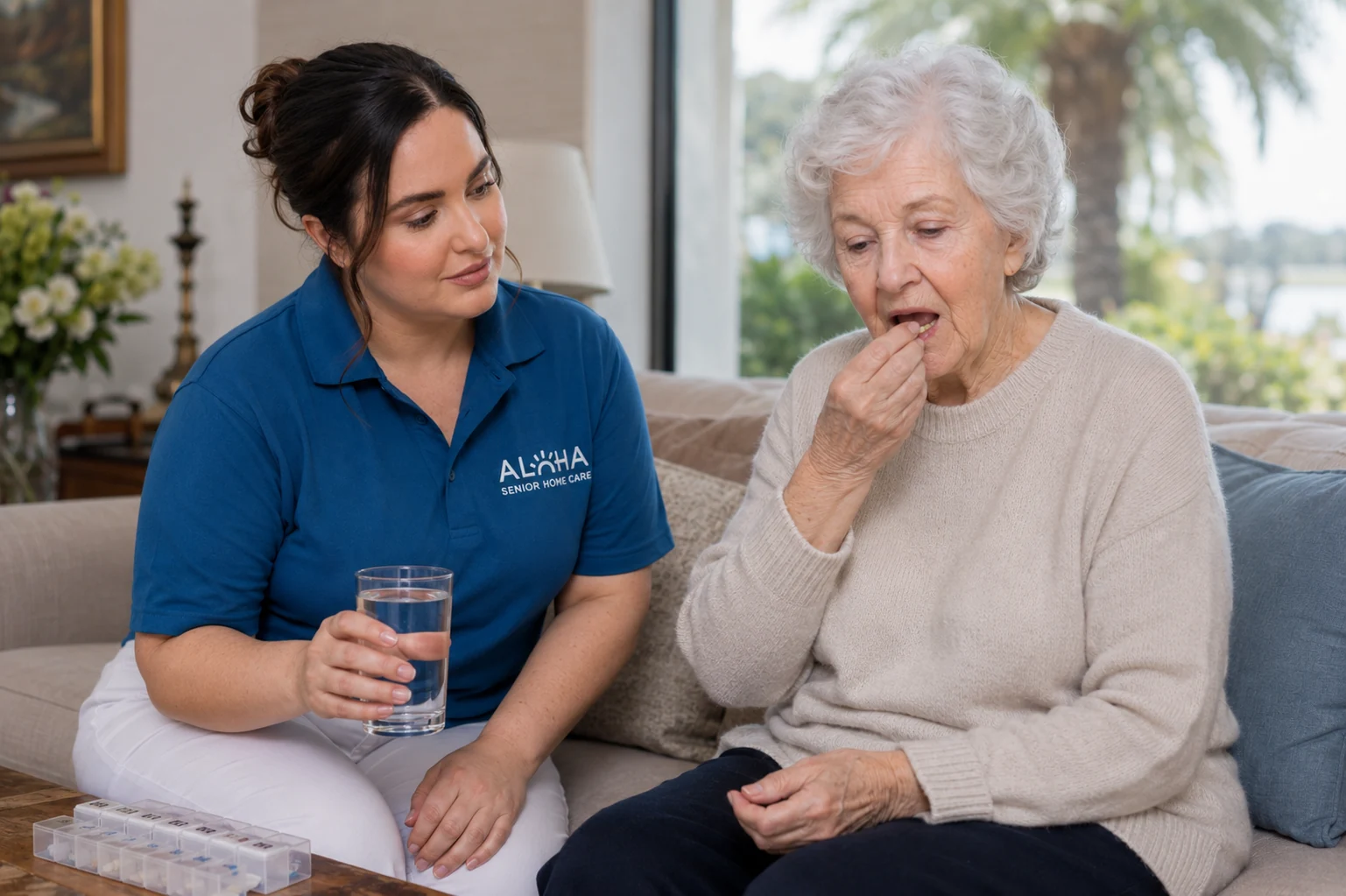

When an aging parent needs a little more help at home, it is rarely one person who feels it. Adult children, siblings, spouses, and grandchildren all carry a piece of the worry, often quietly and often from a distance. Family companion care is one of the calmest, most practical ways to set some of that weight down, because steady companionship does not only support the older adult at the center of it. It supports everyone who loves them.
What family companion care really does
At its heart, companionship is simple. A kind, background checked caregiver spends regular time with your parent, sharing a meal, running errands, playing cards, going for a slow walk around the block, or just talking. But the effect reaches far past those hours. When someone dependable is present a few times a week, the whole family stops holding its breath between phone calls.
Aloha Senior Home Care is a nurse led, licensed California Home Care Organization, and our companion visits are non-medical home care: help with the day to day, not treatment. That distinction matters, because the goal is a fuller, more comfortable life at home for your parent, and a lighter load for the people around them.
Peace of mind when you live far away
Distance is one of the hardest parts of caring for an aging parent. You can love someone deeply from three hours or three time zones away and still lie awake wondering whether they ate today, whether the house is warm, whether they are lonely on a long afternoon.
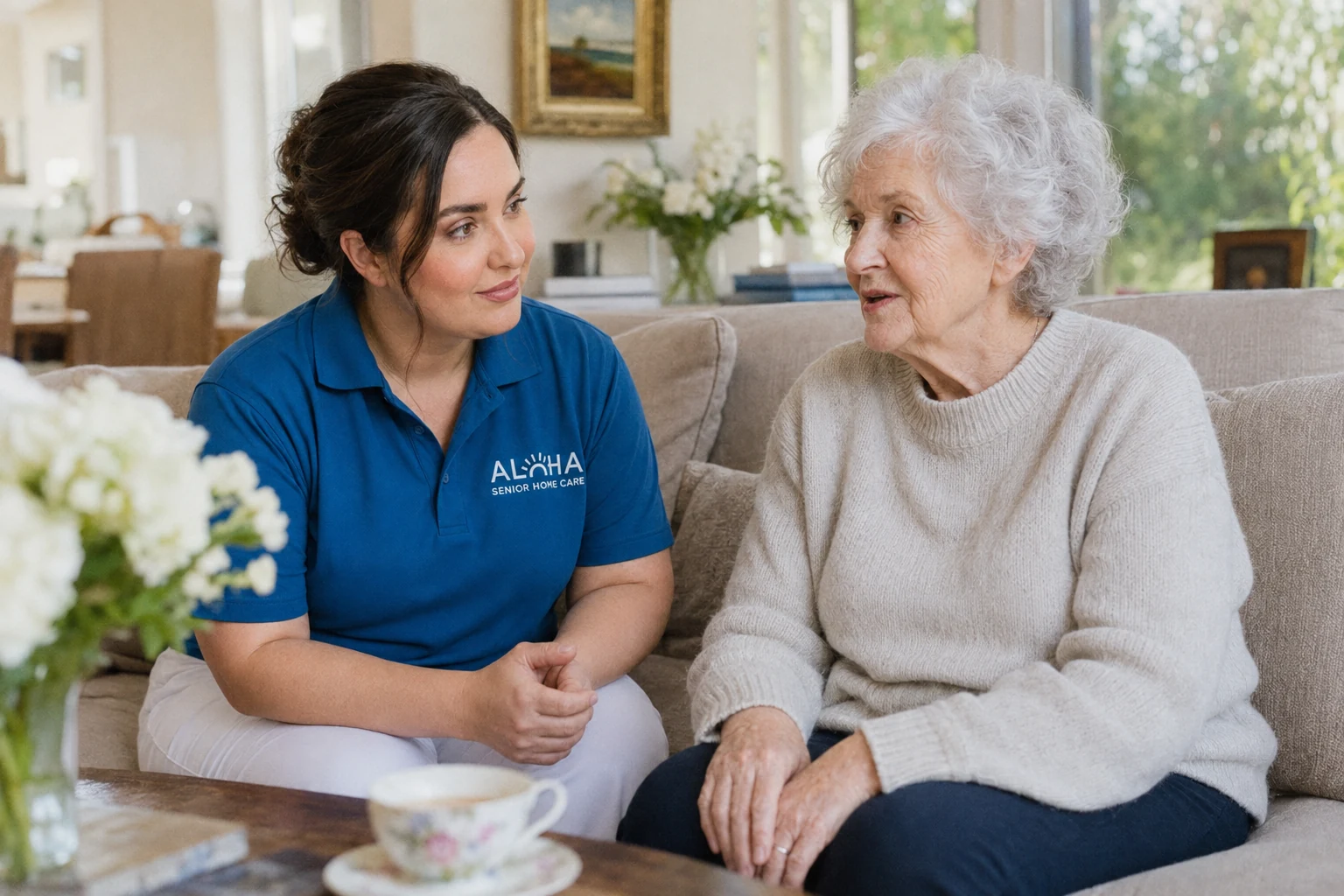
Steady companionship narrows that gap. Knowing a familiar face will be there on Tuesday and Friday means the silence between your own calls feels less heavy. You are no longer the only thread connecting your parent to the outside world, and that changes how the whole family sleeps at night.
- A predictable schedule you can picture, even from far away
- Someone to notice if a visit does not feel right and reach out
- Fewer emergency scrambles built on guesswork
- Room to be a son or daughter again, not only a coordinator
Tip: Start with a short, regular visit
Begin with a couple of visits a week at the same day and time. A predictable rhythm helps your parent relax into the relationship, and it gives you a natural moment each week to hear how things are really going.
Someone who notices the small changes
Families often tell us the thing they cannot get from a distance is simply noticing. A caregiver who sees your parent every week gets to know their ordinary rhythms: their mood on a good day, what is usually in the fridge, how they move around the house, whether the mail is being opened.
Because Aloha Senior Home Care caregivers are with your parent regularly, they can gently mention what they notice and, with your permission, loop you and other trusted people in. This is not a medical assessment or treatment; it is simply attention and communication, so more of the small things get noticed and shared. When you want it, that steady flow of small updates is worth a great deal.
The relief families describe most often is simple: knowing someone kind is there, so they can go back to being a daughter or a son instead of a scheduler.
Protecting the relationships you care about most
When one adult child becomes the default caregiver, love can quietly turn into logistics. Visits fill up with pill sorting, laundry, and appointment calendars, and the easy conversation gets squeezed out. Over months, that wears on even the closest relationships.
Companionship hands some of those tasks to someone else so your time together can be time together again. Siblings tend to disagree less when the weight is shared. The spouse of a busy caregiver gets their partner back. And your parent gets company that is not tangled up with worry, a person who shows up simply to enjoy their afternoon.
What steady companionship can and cannot do
We believe in being honest about scope. Companion care is non-medical support, so our caregivers do not provide nursing, therapy, or treatment, and they do not make decisions about medications, though they can offer friendly medication reminders when that helps. What they do offer is presence, encouragement, and the steadying rhythm of a familiar routine.
Aloha Senior Home Care caregivers are background checked, with nurse led oversight behind every visit, and support is available 24/7 across San Diego County. That means your family can build a schedule around real life rather than squeezing yourselves into a rigid template.
Explore related care
Talk it through with us, no pressure
If you are weighing whether family companion care could lighten the load at home, we are happy to listen first. Call Aloha Senior Home Care at (858) 399-1400 or reach us at hello@alohaseniorhomecare.com for a free, no pressure conversation about what your family needs. Nurse led, licensed, and here whenever you are ready.