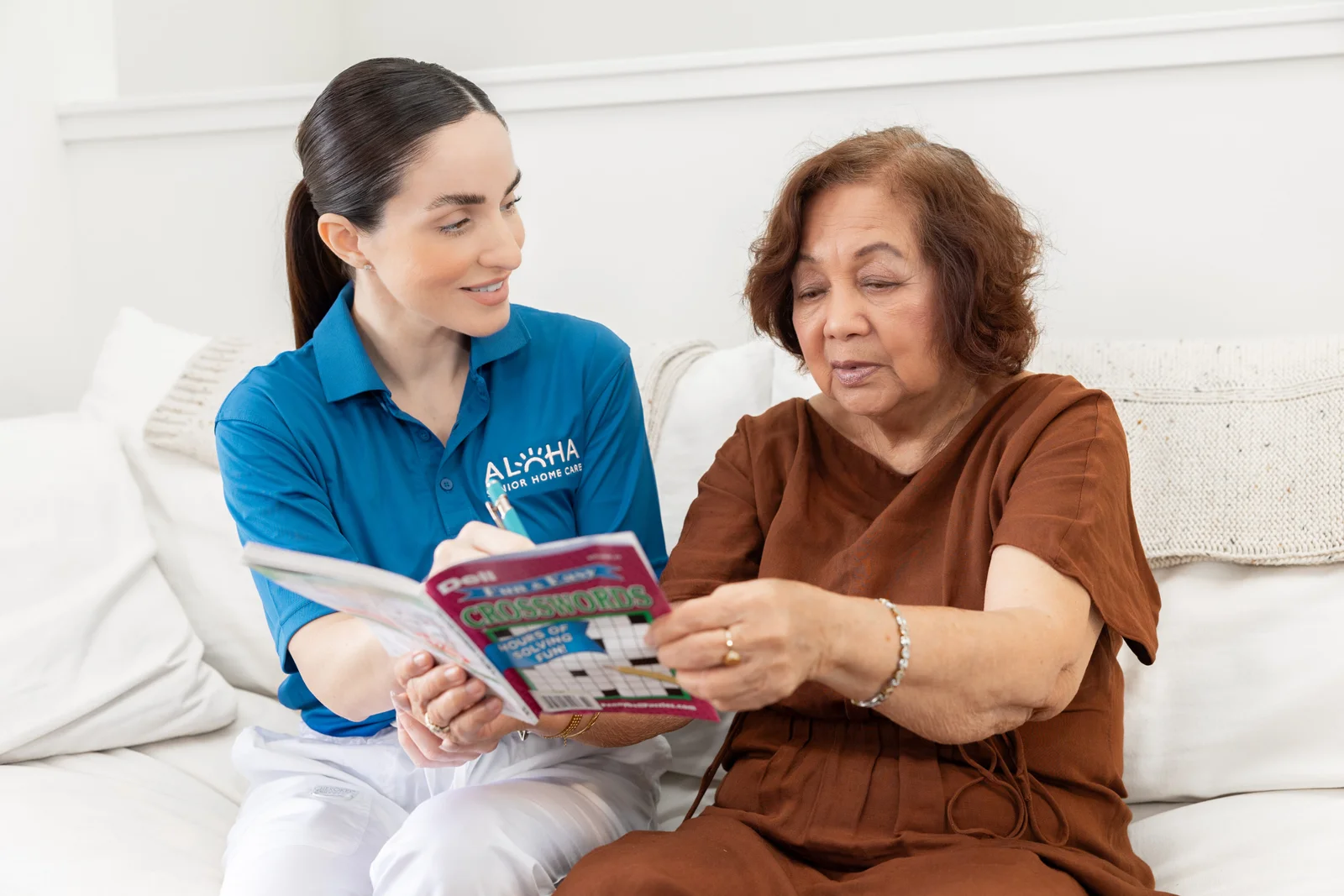
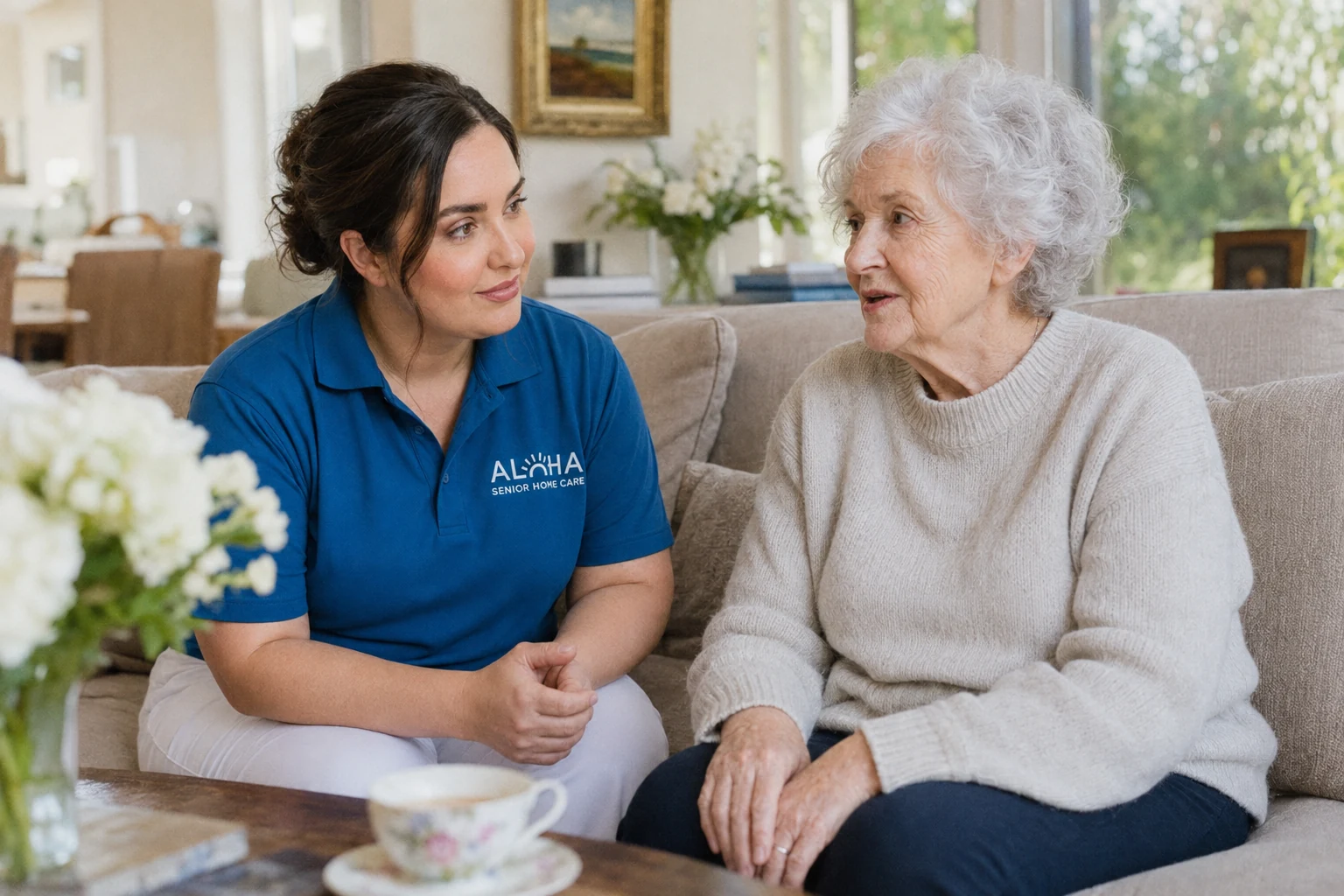
Easing loneliness in later life often begins with something small. A familiar knock at the door. A shared pot of tea. Someone who remembers your mother's garden and asks how the roses are doing this year. For many older adults, isolation does not arrive all at once. It settles in quietly, one lost routine at a time, until the days grow very still.
If you have noticed a parent growing quieter, turning down invitations, or spending far more time alone than they used to, you are not imagining it. Loneliness is common as we age, and it is nothing to be ashamed of. The hopeful part is that connection can be rebuilt gently, at their pace, with warmth rather than pressure.
How loneliness quietly creeps in
Isolation rarely announces itself. It usually follows the ordinary losses that come with a long life. A spouse or close friend passes away, and the person who shared every meal is suddenly gone. Friends stop driving at night, so the weekly card game fades. Adult children move for work, and the grandchildren visit less often. Hearing or mobility changes make crowded rooms harder, so your parent slowly begins to opt out.
- The loss of a spouse, sibling, or lifelong friend
- Friends who no longer drive, ending regular outings
- Family who live far away or lead very busy lives
- Giving up driving, which shrinks the world to the living room
- Hearing or vision changes that make socializing tiring
- A recent move, a fall, or a long recovery that broke old routines
Any one of these can be managed. Several at once, over a few short years, can quietly close a life down. The good news is that the same thing works in reverse. Small, steady moments of connection can open it back up again.
Why connection matters for the day
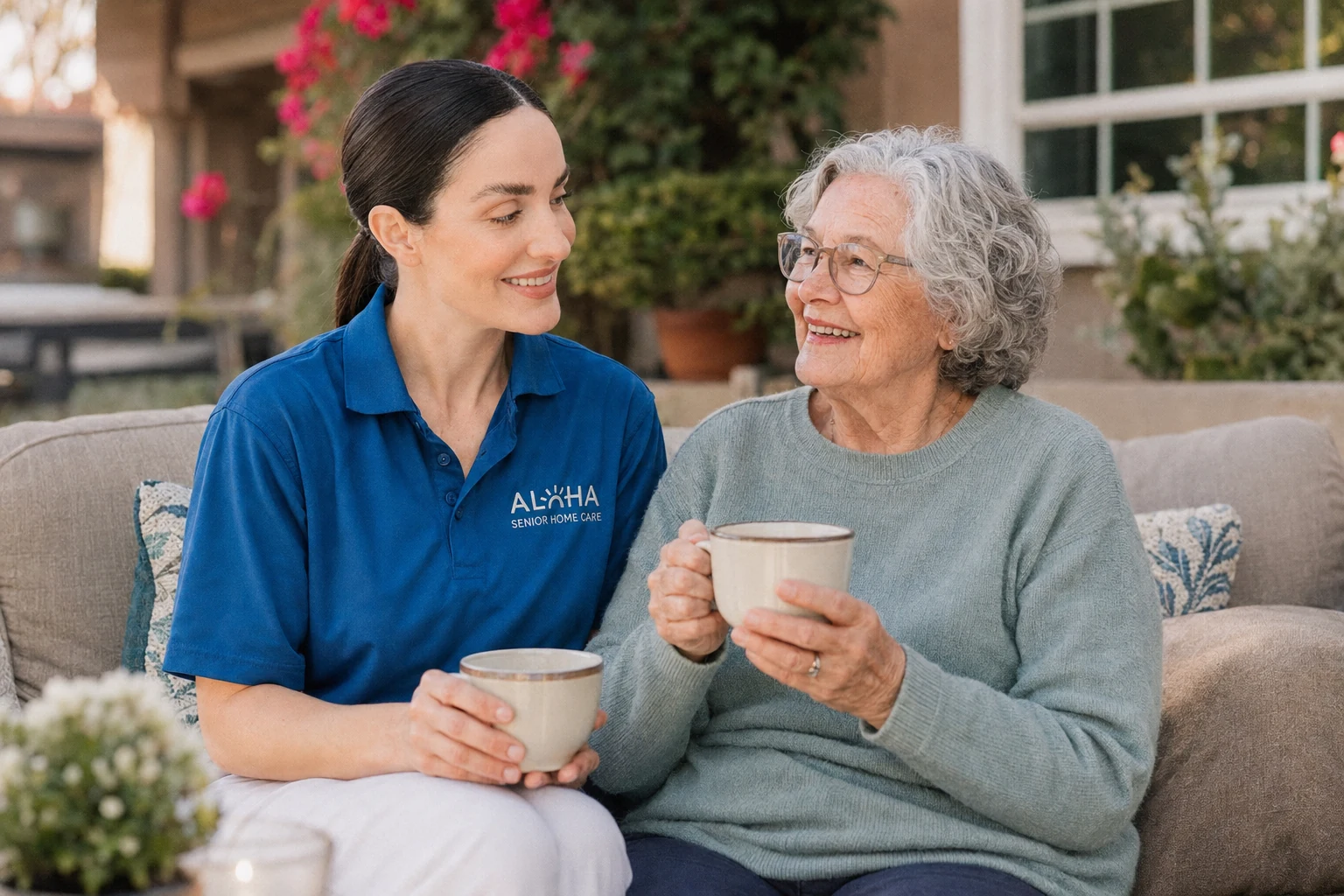
This is not about grand gestures. It is about the texture of an ordinary day. When someone has a reason to get dressed, a person to greet, and a story worth telling, the hours feel different. A morning with a visitor to share coffee with is simply warmer than a morning spent watching the clock.
Companionship also brings a gentle rhythm back. Meals happen at mealtimes because there is someone to share them with. A short walk becomes part of the afternoon. These are small comforts, not clinical interventions, and that is exactly why they feel so natural. No one has to be persuaded to enjoy a good conversation.
Easing loneliness through companionship and routine
Rebuilding connection is less about filling every hour and more about creating a few reliable moments to look forward to. A familiar face on Tuesday mornings. A phone that rings at the same time each week. A standing plan to sort through old photographs together. Predictable warmth is what slowly rebuilds a sense of belonging.
- Anchor a regular visit to the same day and time so it becomes something to anticipate
- Revive a hobby they love, whether it is baking, gardening, dominoes, or letter writing
- Share unhurried meals together rather than eating alone
- Take a slow walk around the block or a favorite park
- Look through photo albums and record the stories behind them
- Help with a video call so distant grandchildren feel close again
Start with what they already love
Connection sticks when it grows from something familiar. If your father lit up at big band music, begin there. If your mother always kept a garden, a few minutes with the pots on the patio can do more than any planned activity. Build the visit around their world, not a checklist.
Connection rarely announces itself. It shows up as a shared laugh, a walk around the block, and a reason to set two cups on the table.
How a companion caregiver can help
Sometimes family simply cannot be there as often as they would like, and that is okay. A companion caregiver offers steady, one to one presence: someone to talk with, share a meal with, run errands alongside, and keep the day gently on track. It is non-medical support focused entirely on the person, not a label.
At Aloha Senior Home Care, that presence is nurse led and thoughtfully matched. Our caregivers are background checked, and care is available 24/7 for families who need mornings, evenings, weekends, or overnight company across San Diego County. Founded by Maya German, RN, Aloha Senior Home Care was built on a simple belief: no older adult should spend their days feeling forgotten.
Ways to bring more company into the week
Let us talk it through, no pressure
If someone you love has been spending too much time alone, we would be glad to listen and share ideas, even if you are only just starting to look. Call (858) 399-1400 or email hello@alohaseniorhomecare.com for a free, no pressure conversation about companionship in San Diego County.