
Most families call me with the same first question. What is this going to cost us? It is a fair question. It deserves a straight answer instead of a sales script.
The cost of senior home care San Diego families plan for is not one flat number. It moves with three things: how many hours you need, where the home sits, and what kind of everyday help you are asking for. A quick note before we go further: the neighborhood sections later in this guide describe scheduling and logistics differences by area, drawn from my general experience, not price differences between neighborhoods. I am Maya German, RN, and I want to walk you through how to figure your own number before you call anyone.
I have spent over 14 years in nursing, including time caring for veterans as a former VA nurse. I founded Aloha Senior Home Care here in San Diego, and I still sit in on family calls. Most of what follows I learned at kitchen tables, not in a classroom.
This guide works wherever you live. The way hours, distance, and daily tasks shape a bill is the same in Ohio as it is in California. Further down, I get specific about what San Diego geography changes about a weekly schedule, area by area.
The short answer on the cost of senior home care San Diego families can expect
I answer the cost question this way. Non medical in home care is billed by the hour, and our standard rate runs $40 to $44 an hour. Your total moves with hours per week, the location of the home, and the kind of daily support you need, with the final quote set after a free consultation.
For general market context, national surveys such as the Genworth Cost of Care Survey publish yearly figures for in home care by state and metro area. The Bureau of Labor Statistics also tracks wages for home care workers. Those two sources are a reasonable starting point if you want a national ballpark before you dial. If you would rather skip straight to how our own scheduling and rates work for your week, our contact page is the fastest way to reach the team.
Verify these sources directly
California adds its own layer. State labor rules and the state minimum wage shape what agencies here can pay caregivers. That, in turn, feeds into how a schedule gets priced. Rates in this state can run higher than in some other parts of the country for that reason. Your actual quote still depends on your own week, since hours, location, and tasks are what set the final number.
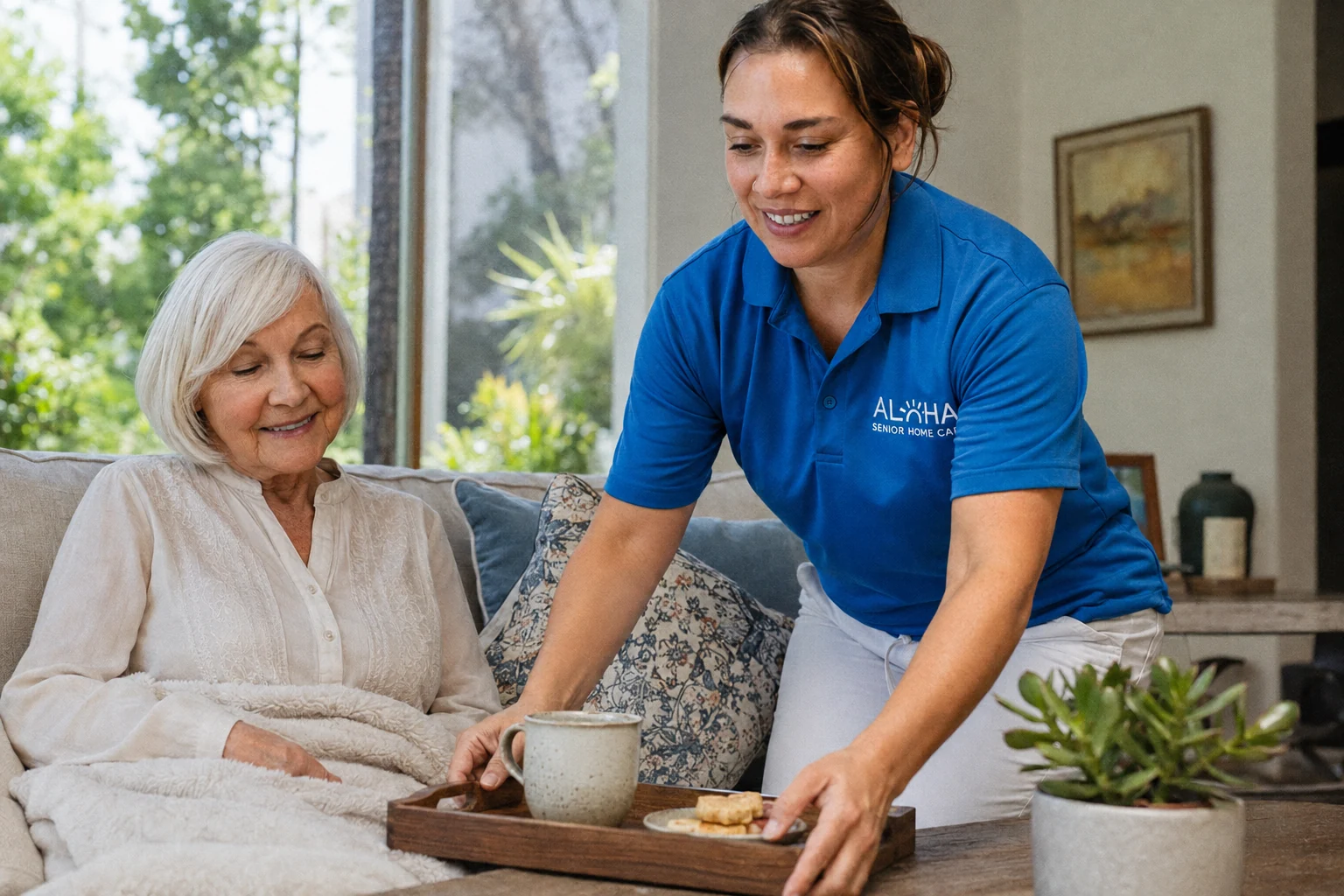
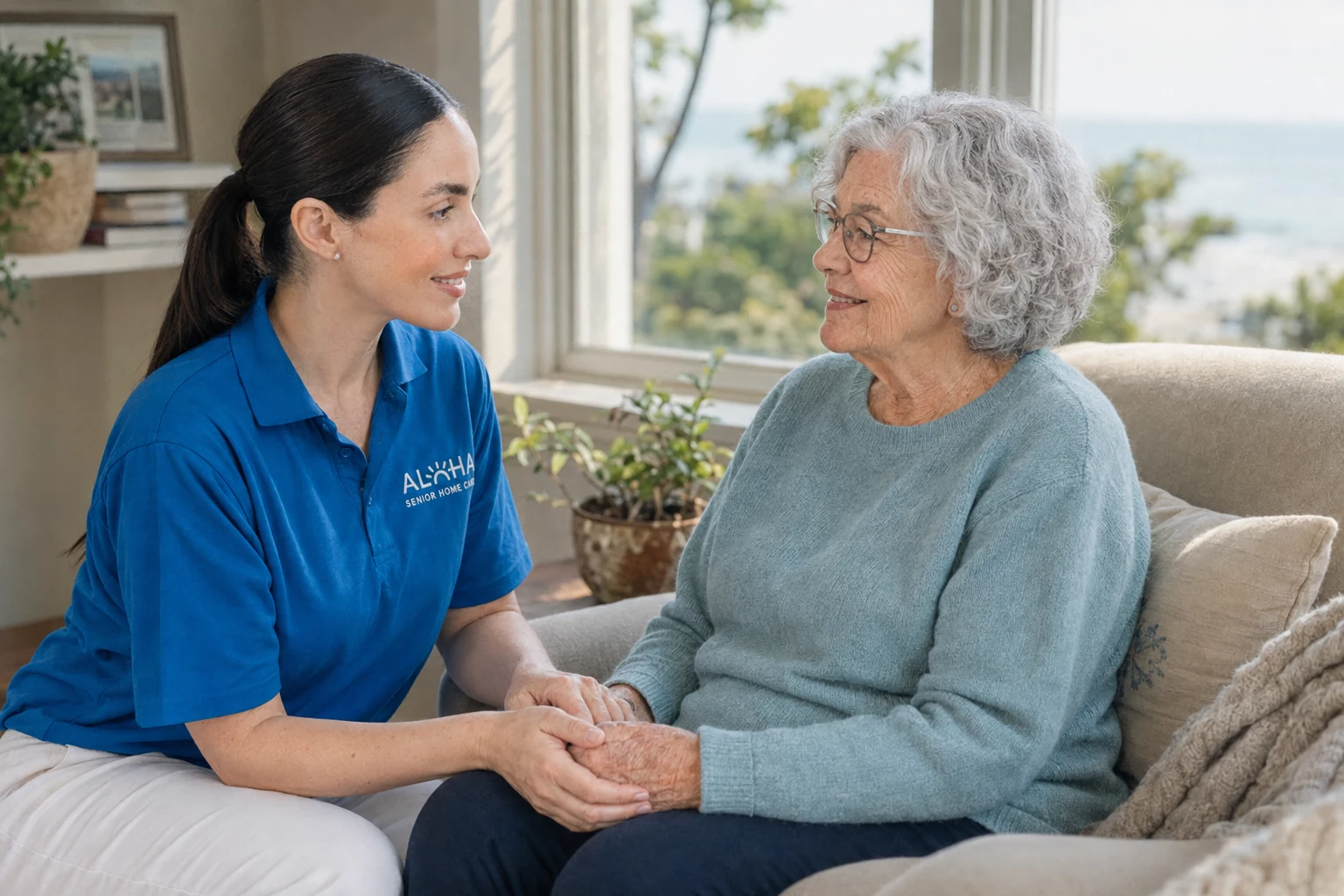
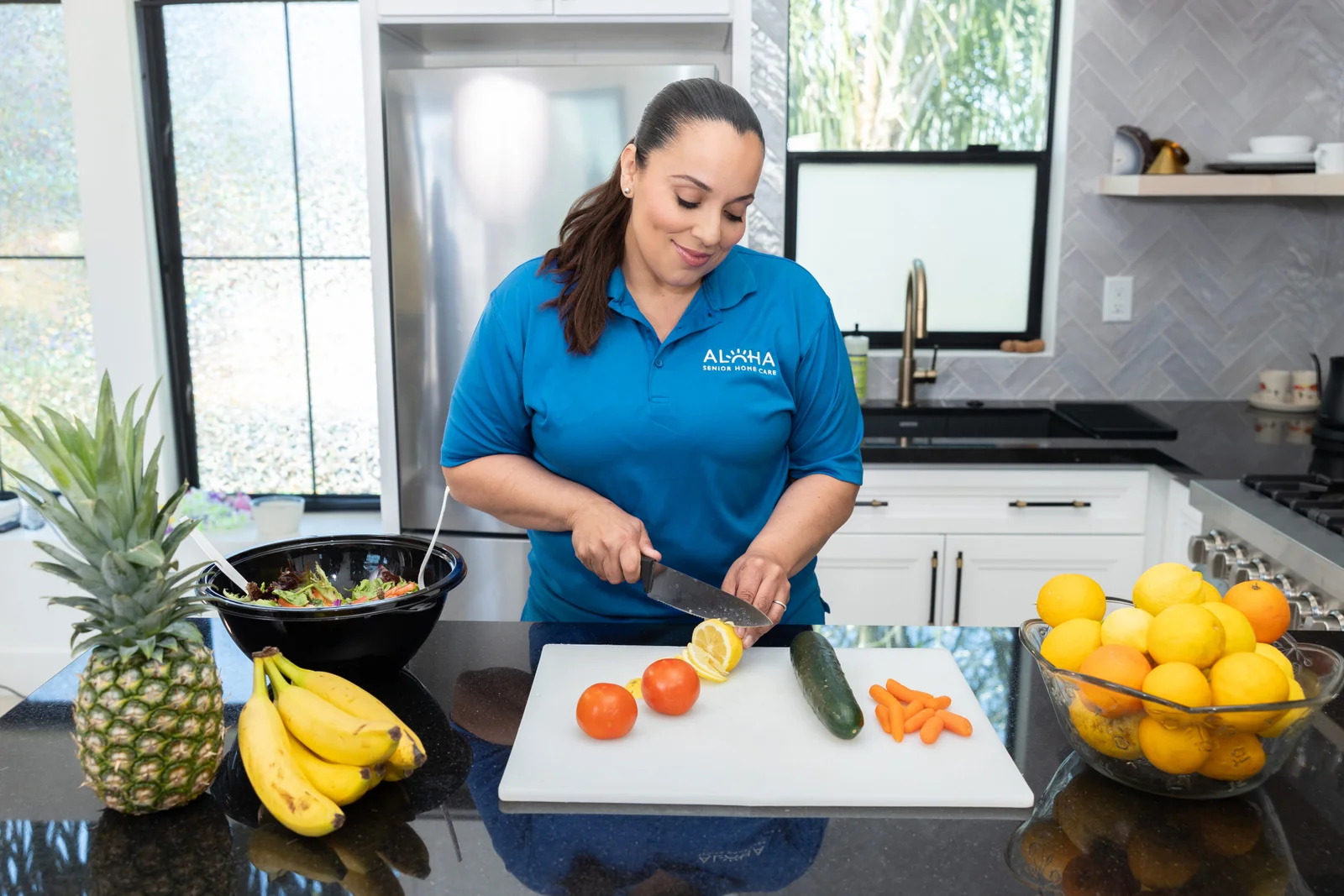
One thing to settle early. Non medical home care means companionship, meals, light housekeeping, and laundry. It also covers errands and rides, gentle reminders about the day's routine, and a steady arm for bathing, dressing, and moving around the house.
For medical needs, a doctor or a licensed medical provider is the right call. Knowing which bucket you are shopping in keeps the whole conversation clear.
Three circles that shape any home care bill
- Hours: how many hours of help you need each week.
- Location: where in San Diego County the home sits.
- Tasks: what the everyday help actually involves.
When families ask about cost, I draw three overlapping circles on whatever paper is on the kitchen table. I call this the care radius: weekly hours, the home's location, and the kind of daily help needed, overlapping to set your cost. Your number sits where those three circles meet, and that holds true in any city, not just San Diego.
Circle one: weekly hours
This is the biggest lever, and the one families guess at most. Two mornings a week is a very different plan than daily evening help. Write down the hours you actually need right now, not the hours you fear you might need someday.
Shift length matters too. Many agencies set a minimum visit length. A caregiver cannot build a workable week out of forty minute stops, so that minimum is worth asking about. It often changes your weekly math more than the hourly figure does.
Circle two: where the home sits
Distance affects who is available to come, and at what hour. A home far from where caregivers live can be harder to staff at seven in the morning or on short notice. Sometimes that pushes a family toward one longer visit instead of two short ones. That is mostly a staffing and scheduling choice, not a change in the hourly rate itself.
Circle three: what the help involves
Sitting and talking over a puzzle is a different job than being nearby while someone showers and dresses. Some agencies price those the same way and some do not. Make a short list of the actual tasks, in ordinary words, so nobody is guessing.
Be honest on this one. Families often understate the help their parent needs, then wonder why the first week feels rushed. If you want to see how companionship support and hands on personal care are each described in plain terms, visit our companion care and personal care pages, or ask us directly on our contact page before you commit to a plan.
What San Diego geography changes about a care schedule, area by area
I schedule across San Diego County, and the differences between areas are real. They usually show up on the calendar rather than on a rate sheet. The short notes below are illustrative examples, drawn from my general experience scheduling in these areas, of how a week tends to take shape, not fixed rules for any address or verified data about a specific street.
Coastal and central areas: cost of senior home care San Diego scheduling notes
- La Jolla and other coastal streets often have permit parking, so arrival windows can be less predictable than at a home with a driveway, at least in my general scheduling experience. Families here often pick a mid morning start rather than a tight eight o'clock one.
- Coronado is across the bridge or the Strand. Because of that distance, families there often pick two longer visits instead of four short ones.
- Clairemont and Mission Valley sit central, near where a lot of caregivers live, which usually gives a family more choice about start times, including early mornings.
- Pacific Beach and Point Loma get heavy summer traffic near the water, in my experience, so a steady time slot booked ahead tends to hold up better than a floating one.
Older neighborhoods and inland areas: cost of senior home care San Diego scheduling notes
- North Park and similar older neighborhoods often have narrow lots and front steps, so mention that on your first call rather than at the front door.
- Rancho Bernardo and other north inland areas sit far from central caregivers. A steady weekly pattern tends to work more smoothly there, since hours that move around week to week are harder to fill that far out.
- Chula Vista, South Bay, and East County areas like El Cajon or Santee sit a good drive from central caregivers, so one longer daily visit tends to work smoother than two short drop ins.
Two more things I would tell a neighbor. Traffic direction matters more than miles here. A fifteen minute drive at nine in the morning can be a forty minute drive at five, so I ask families to tell me the exact hour a caregiver would need to arrive, not just the distance on a map. Coming from the east on I-8 at rush hour takes longer than coming from the coast, even with similar mileage, which is why we ask about typical arrival times before we ever talk staffing.
And language matters. Spanish and Tagalog speaking households are common across the county. Language matching is a real scheduling factor, so raise it on your first call rather than hoping it works out. You can find the full list of areas Aloha Senior Home Care covers in the service areas link under Helpful next steps below.
A sample family scenario, start to finish
The following family is hypothetical. I made them up to show how the three circles work. Any figures here are rough and for illustration only.
Picture a daughter living in Mission Valley. Her father is in Clairemont, about fifteen minutes away on a good day. She has been driving over three times a week to cook, tidy up, and keep him company.
First, hours. She adds up the mornings she is already showing up and lands on roughly twelve hours a week, spread over three visits, which becomes her starting number.
Then location. Clairemont sits central, so morning starts are usually easier to fill there. She asks for a set pattern on the same three mornings rather than hours that float.
Then tasks. He wants company and meals, plus a hand with laundry and a friendly nudge about his morning routine. Nothing clinical, just an ordinary morning with someone in the house.
With those three answers written down, she can call two or three agencies and get numbers that actually compare. In this illustration, her twelve hours across three set mornings let her line up each agency's quote against the same week, and she ends up choosing that set schedule within our standard $40 to $44 an hour range, with the exact quote confirmed after a free consultation. If it helps to talk it through with someone first, you can book a free consultation with our San Diego team through our contact page before you start dialing.
Why Aloha Senior Home Care starts cost talks by listening
I begin every cost conversation with questions, not a rate. My nursing years taught me something that has little to do with medicine. Families make rushed decisions when they are scared, and a rushed decision usually costs more, not less.
So we ask about the hours, the days, the tasks, and the address. Those answers do more to shape a fair quote than any zip code does on its own. A family who tells me evenings are the hard part gets a very different schedule than one who mainly needs help getting out the door to appointments.
Notice how each answer lands, too. A clear, patient response builds confidence. A short or annoyed one is worth a second thought before you go further.
What listening first means
In plain terms, listening first means we ask about your hours, days, tasks, and address before we ever quote a number, so the price reflects your actual week instead of a generic rate.
The five question care radius checklist
I call this short tool the Care Radius Checklist. It is a distinct, five question worksheet you can print or copy onto one sheet of paper, separate from everything else in this guide, and fill in before you call any agency, ours included. It only takes a minute to fill out, and having it ready makes every call after the first one much faster.
- 1How many hours a week do you actually need right now? Write a number, even a rough one.
- 2Which days, and which times of day? Mornings, evenings, and weekends are the details that decide staffing.
- 3What does the help involve? Company and meals, or also a steady arm with bathing and dressing. This is one of the details that shapes where your quote lands within our standard $40 to $44 an hour range.
- 4Where is the home, and how far is it from where a caregiver would likely be coming from?
- 5Is this a set weekly pattern, or will hours change often? Steady schedules are usually easier to fill.
Keep the Care Radius Checklist by the phone as its own reference sheet. When you call the second and third agency, read them the same five answers. Comparing quotes gets a lot easier once everyone is pricing the same week. Families tell me it also makes the first call feel less like an interrogation and more like a conversation.
Start smaller than you think
Many families begin with fewer hours and add later once they see how the week goes. Starting small also gives you an honest look at whether the caregiver and your parent genuinely get along.
Questions worth asking before you agree to anything
Aloha Senior Home Care is a licensed California Home Care Organization, nurse led, with background checked caregivers and support available 24/7. Those are things a family should be able to confirm about any agency they are considering, ours included.
- Are you a licensed Home Care Organization in this state, and can I see the license?
- Are caregivers background checked, and who oversees them day to day?
- What happens if the assigned caregiver is out sick? Ask how backup coverage typically works.
- Can we adjust hours as things change, and how much notice do you need?
- Is anything billed beyond the hourly rate, such as mileage for errands?
If an agency gets impatient with these questions now, that is useful information about how the months ahead will feel. Write down the answers while you are still on the phone, because by the third call they blur together.
One more thing I have noticed at kitchen tables over the years. Families sometimes feel awkward asking the same plain question twice, but the ones who do it anyway tend to end up with a schedule that actually fits their week.
One question I always separate out: how you plan to pay. If long term care insurance is part of the picture, tell us on your first call, since it fits alongside our standard rate rather than changing it. Below you will find links for choosing an agency, checking service areas, or reaching our team directly.
Helpful next steps
Talk it through with us
If you would like help working out your own care radius, call Aloha Senior Home Care in San Diego for a free consultation and we will talk it through with no pressure.
This guide is general information, not medical advice. Aloha Senior Home Care provides non medical home care; for medical concerns, please consult your loved one's doctor.