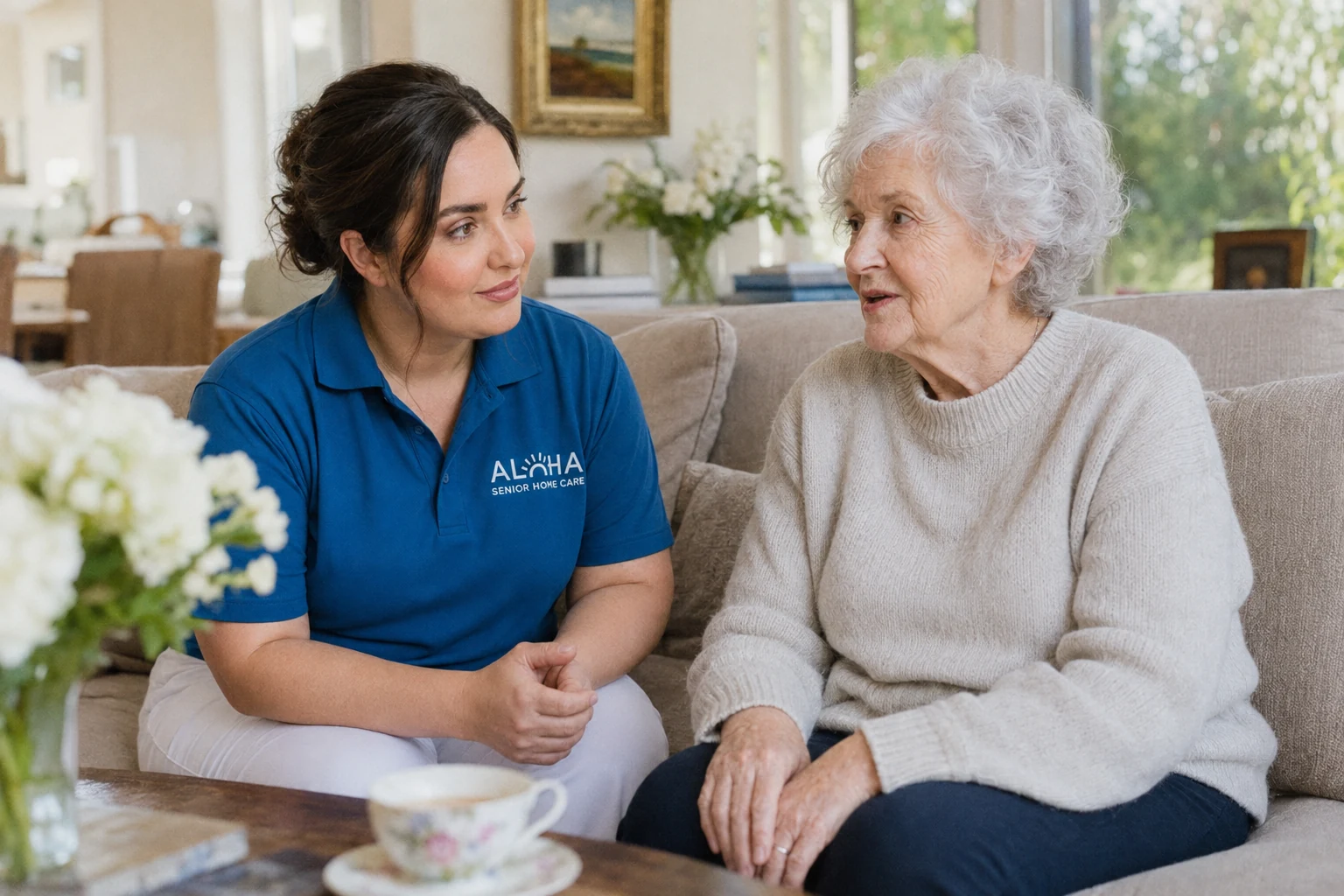

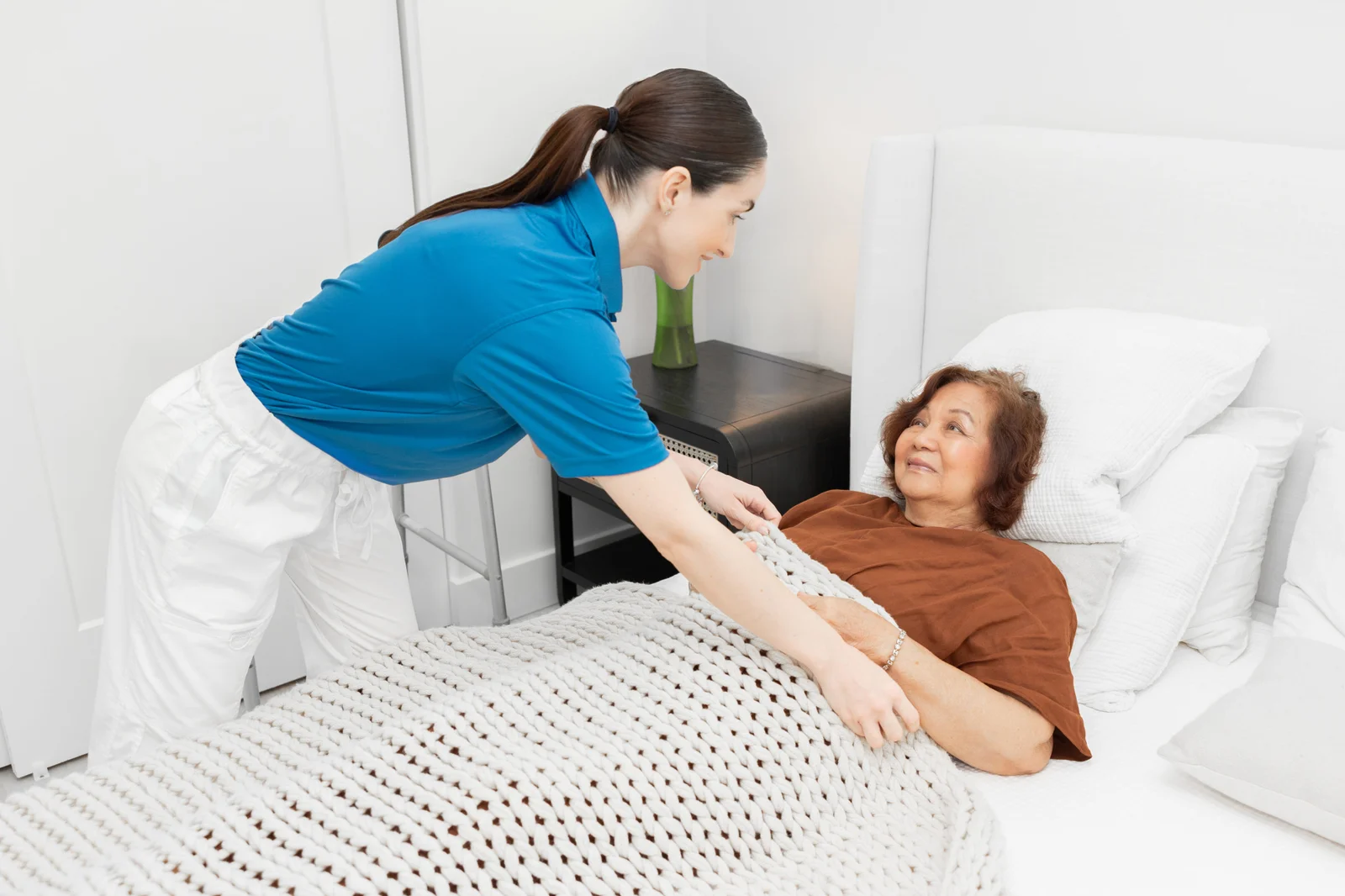
Bringing someone new into your parent's home is a tender moment. A thoughtful new caregiver introduction is not a single handshake at the door; it is a gentle unfolding that lets your loved one feel seen, safe, and still in charge of their own life. Whether you are arranging respite so you can rest, return to work, or simply catch your breath, the way you begin shapes how at ease everyone feels. The reassuring part is that a warm start is mostly made of small, human touches, and nearly all of them can be planned in advance.
Why a New Caregiver Introduction Feels Bigger Than It Looks
For an older adult, welcoming a caregiver can stir up far more than first day nerves. It can touch pride, privacy, and the quiet worry that accepting help means losing independence. Naming those feelings out loud, rather than rushing past them, is often the kindest first step you can take.
It helps to remember that your loved one is not being difficult. They are adjusting to a real change in their routine and their home, and that takes time. When you slow down and let them set some of the pace, the early resistance many families brace for often softens on its own.
Start Slow, Not All at Once
A gradual start gives everyone room to breathe. Rather than a full day on the very first visit, think of the first meeting as a friendly hello with no bigger agenda. When the goal is simply to get acquainted, the pressure drops for your loved one and for the caregiver alike.

- Begin with a short first visit, ideally while you are present, so there is a familiar face in the room.
- Keep early time together light and social, like a cup of tea or a slow walk, before any hands on help.
- Build up the hours gradually across the first week or two instead of opening with the longest shift.
- Aim for consistency; the same caregiver arriving at the same time each day helps trust take root.
If the first visit feels a little awkward, that is normal and not a bad sign. Warmth grows through repetition, and the second and third visits tend to feel easier than the first.
Share the Stories and Routines That Make Home Feel Like Home
A caregiver becomes familiar much faster when they know the small things: the mug your mom always reaches for, the radio station your dad likes at breakfast, the afternoon nap that should never be skipped. These details can seem trivial, but they are exactly how a stranger becomes a trusted part of the day.
Before the first visit, jot down a simple snapshot of your loved one's world: favorite foods, daily rhythms, topics that spark a smile, and subjects to approach gently. A nurse led team can help you think through what is worth writing down.
Make a one page about me sheet
Write it in your loved one's voice. Include their nickname, morning and evening routines, cherished stories, the music they love, and any comforts that help a hard moment pass. It gives a new caregiver a real head start, and it quietly reminds your loved one that they are known and valued.
People relax when they feel known, not managed. To help a loved one feel at ease, introduce the person, not the task.
Involve Your Loved One in the Choice
Whenever possible, let your parent take part in the introduction rather than be the subject of it. Invite them to help show the caregiver around the home, to offer a drink, or to choose what the two of them do together first. Small acts of hosting hand back a real sense of control.
If your loved one lives with memory changes, keep the introduction calm and unhurried, and follow their lead on how much to explain. A steady, reassuring presence usually matters more than getting every detail across.
Give Yourself Permission to Step Back
Here is the part family caregivers most often forget: the introduction is for you too. Respite only works if you actually rest, so once the first few visits go smoothly, practice leaving, first for an hour, then for an afternoon. Both of you get to learn that the arrangement holds.
A little guilt is normal, and it does not mean you are doing something wrong. Stepping away is not stepping out of your loved one's life; it is protecting your own wellbeing so you can keep showing up for years to come. Caregivers who are background checked and available 24/7 are there precisely so you can exhale.
Explore how Aloha Senior Home Care can help
Talk it through with a nurse led team
If you are considering respite and want a warm, unhurried start, we would love to listen. Reach out for a free, no pressure conversation about what might help your family feel at ease, with no obligation at all. Call (858) 399-1400 or email hello@alohaseniorhomecare.com.