
Meal Preparation in San Diego
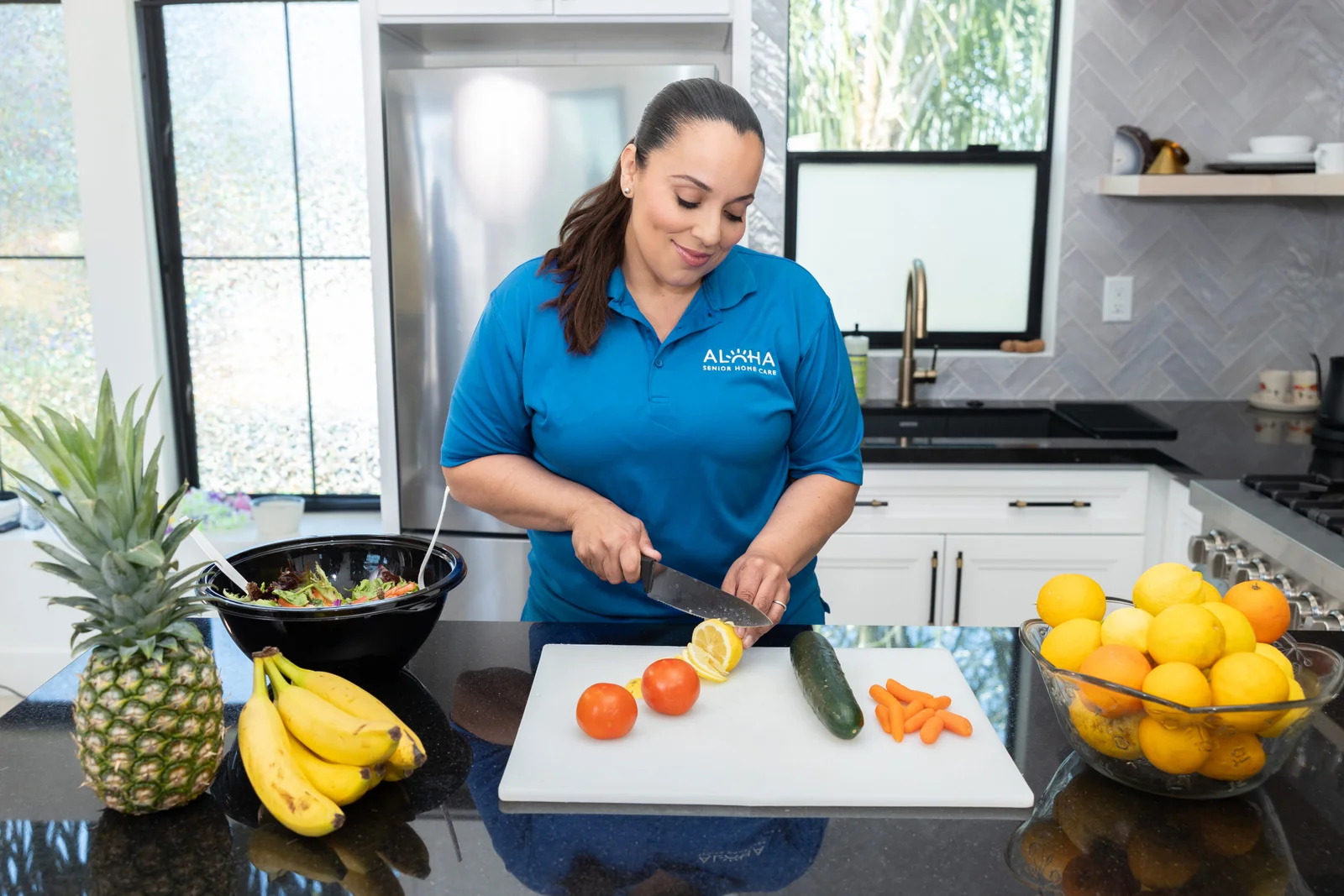
As we get older, cooking can quietly slip away. The energy it takes, the safety of the stove, the effort of shopping and standing at the counter. And too often, three good meals become toast and tea. Aloha Senior Home Care meal preparation brings the comfort of a home cooked meal back, with fresh, nourishing food made right in your loved one's kitchen.
It is non-medical, nurse led, and built around their tastes, their needs, and their table.
- Non-medical, in home meal support for older adults
- Led by Maya German, RN, founder of Aloha Senior Home Care
- Licensed California Home Care Organization, #374700270
- Consistent, personally matched caregivers, background checked
- Care available 24/7 across San Diego County
- Every caregiver registered on the California Home Care Aide Registry
A Warm Welcome to Your Family
A warm hello from all of us at Aloha Senior Home Care, and a look at how our nurse led, non-medical team supports families across San Diego with everyday care at home. Take two minutes to get to know us before you ever pick up the phone.
Nurse led and licensed, caring for families across San Diego
Non-medical, everyday help that makes life at home easier
Background checked caregivers, here for you around the clock
More Than a Meal on the Table
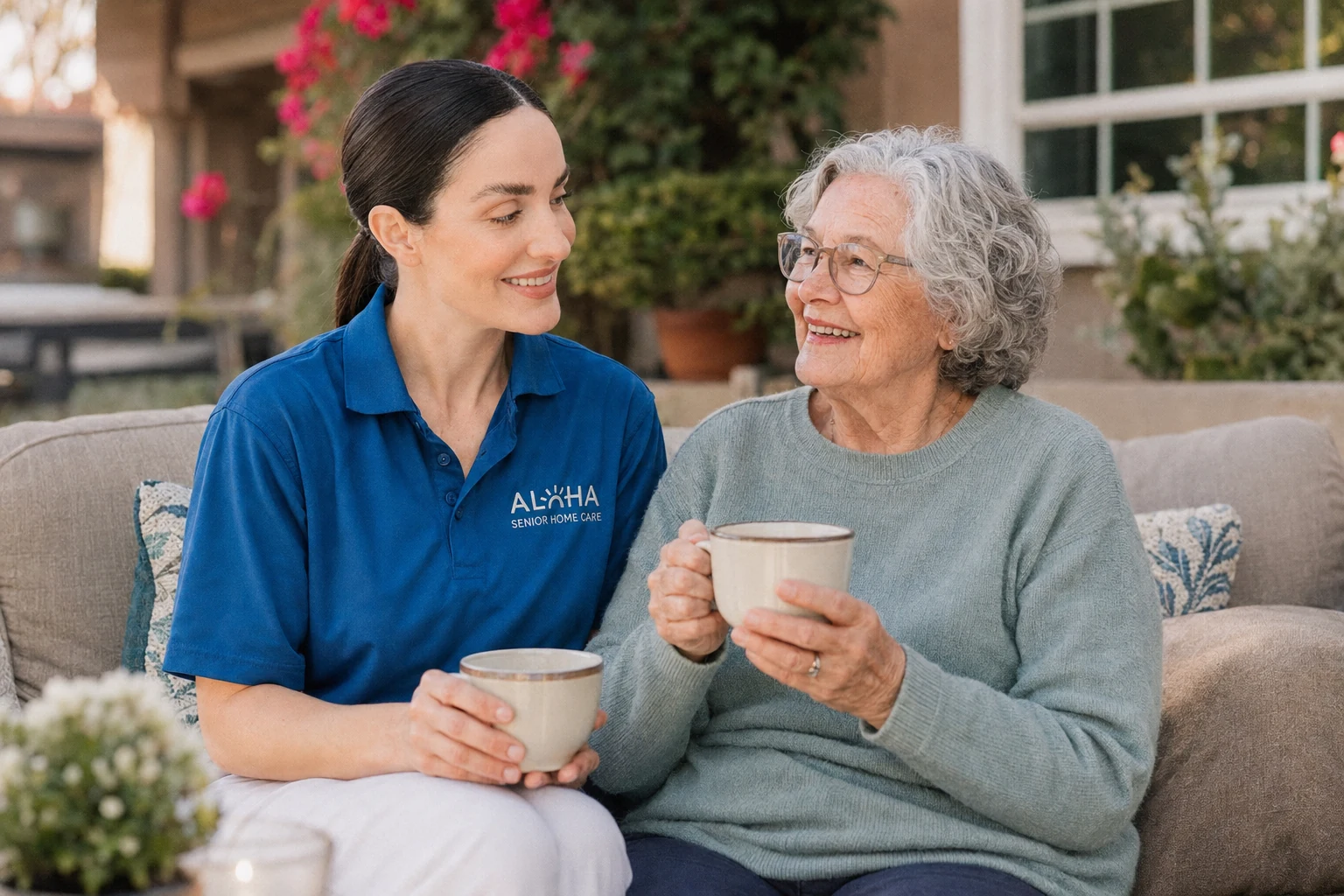
When someone stops cooking, it is rarely just about the food. Skipped meals sap energy and mood, a poor appetite can hide a bigger worry, and eating alone night after night wears on the spirit. Nourishing food and good company at the table go hand in hand.
A caregiver in the kitchen changes the whole rhythm of the day. Familiar meals made the way your loved one likes them, gentle encouragement to eat and drink, and a warm face to share the table with. Because our team is nurse led, that same caregiver also notices the things that matter, a fading appetite, food left untouched, meals that seem to be getting harder, and lets your family know.
A shared meal is one of the great comforts of home. We make sure it stays that way.
Fresh Food, Made With Care
Every plan is shaped around your loved one's tastes, their appetite, and any guidance from their doctor. It often includes:
Planning the menu
Simple, appealing menus built around the foods they love and eat well.
Grocery shopping
Fresh groceries chosen and carried home, so the kitchen is always stocked.
Home cooked meals
Warm, familiar meals made fresh in their own kitchen, not reheated from a box.
Meals that fit their needs
Following any dietary guidance from your family or doctor, like softer foods or less salt.
Encouragement to eat
Gentle company and encouragement at the table, so meals are enjoyed, not skipped.
Hydration through the day
Keeping water and favorite drinks close, so staying hydrated stays easy.
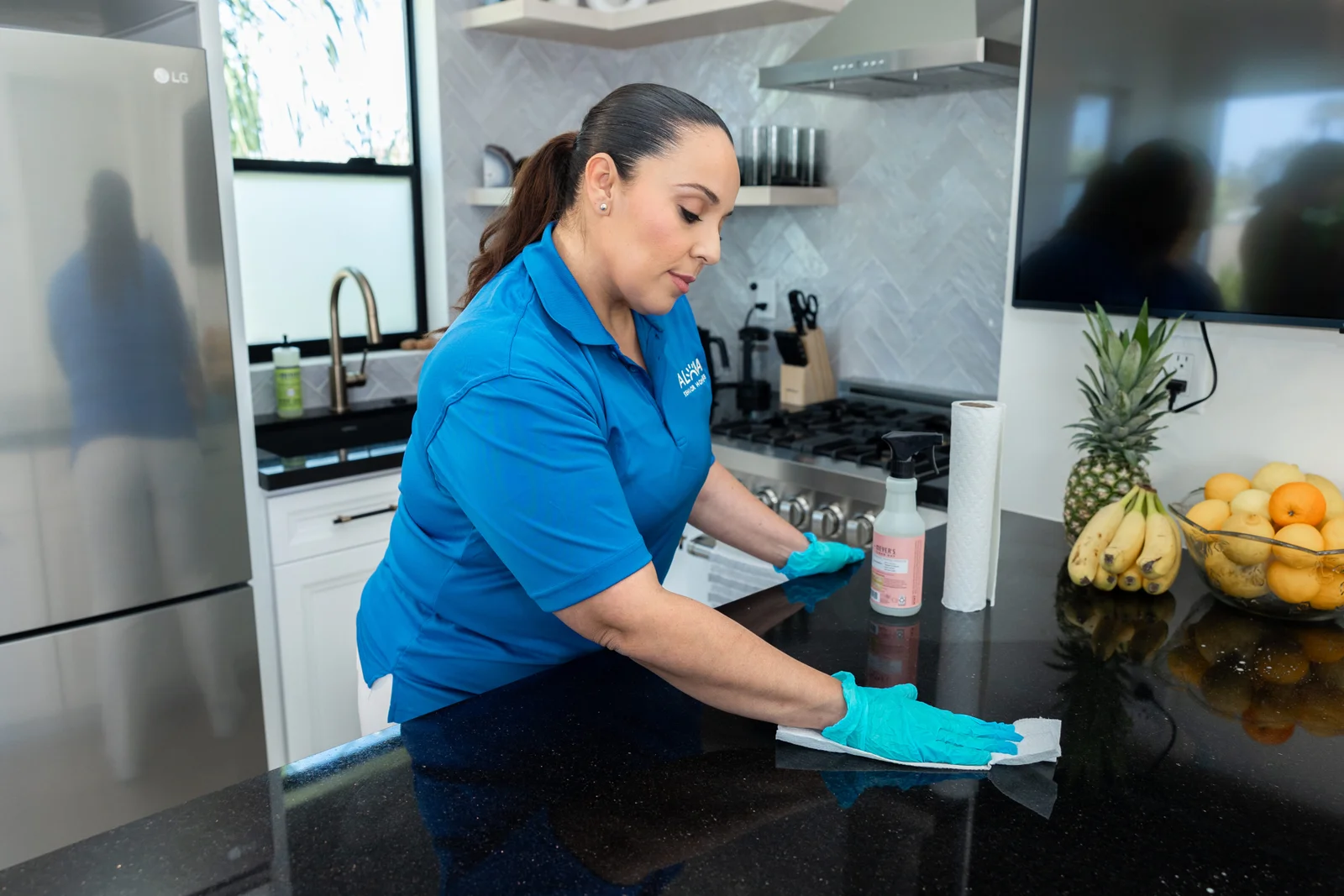
A clean, safe kitchen
Dishes done, counters wiped, and the kitchen left tidy and safe after every meal.
Meals for later
Extra portions made and stored, so there is always something good ready to go.
Meal Preparation With a Nurse's Eye
A good meal is about more than calories. It is comfort, routine, and connection, and it is one of the clearest windows into how someone is really doing. Our caregivers cook with heart and watch with care.
Cooked fresh, to their taste
Real, home cooked food made the way your loved one likes it, not one size fits all delivery.
A nurse led eye at the table
Maya German, RN and our team know that appetite and eating habits reveal a lot, and flag changes to your family early.
A consistent, matched caregiver
One trusted face who learns their favorites and their routine, not a rotating cast of strangers.
Available 24/7
From one hot meal a day to full daily cooking, care flexes to your family's needs.
A Caregiver in the Kitchen vs Meal Delivery
Many families try a meal delivery service first. It has its place, but here is how fresh, in home cooking compares, so you can choose what fits your loved one.
A Caregiver in the Kitchen
Fresh meals cooked in their own home
- The food
- Cooked fresh that day, to their taste and appetite
- Preferences
- Adjusted day to day to what they feel like eating
- Company
- A warm face to share the table and encourage eating
- Their needs
- Follows any dietary guidance from your doctor or family
- Beyond the meal
- Also shops, tidies the kitchen, and watches how they are doing
A Meal Delivery Service
Pre-made meals left at the door
- The food
- Pre-cooked and reheated, often prepared days ahead
- Preferences
- A fixed menu, chosen in advance
- Company
- Left at the door, eaten alone
- Their needs
- Limited options, with little personal adjustment
- Beyond the meal
- Just the food, and nothing more
Aloha Senior Home Care provides non-medical meal support. We prepare food and follow the dietary guidance your family and doctor set, but we do not create medical or therapeutic diets or give nutrition advice. For those, we are glad to work alongside your loved one's doctor or dietitian.
Getting Started Is Simple
- 1
We listen
A free consultation to learn their favorite foods, their appetite, and any dietary guidance from your family or doctor.
- 2
We match
We choose a caregiver by temperament and fit, and plan meals around real tastes and real life.
- 3
We stay close
Your caregiver settles into the kitchen, our nurse led team stays close, and your family stops worrying about whether they are eating.
Signs It Might Be Time
Changes at mealtime are often the first sign a loved one needs a hand. It may be time if you have noticed:
Noticing even one or two is reason enough to reach out. There is never a wrong time to ask, and the first conversation is always free.
Schedule a Free Consultation- The fridge often empty, or full of food gone bad
- Meals skipped, or the same easy snack eaten again and again
- Weight seeming to drop, or clothes fitting looser
- Cooking starting to feel unsafe, like a burner left on
- Eating alone most nights, with little appetite or joy in it
Meal Support, Answered
Straight answers to what San Diego families ask us most about meal preparation at home.
What does senior meal preparation at home include?
Aloha Senior Home Care's non-medical meal support in San Diego includes planning simple menus, grocery shopping, cooking fresh meals in your loved one's own kitchen, following any dietary guidance from your family or doctor, gentle encouragement to eat and drink, and leaving the kitchen clean and safe. We can also store extra portions for later.
Can you cook for special diets, like lower salt or softer foods?
Yes, in a non-medical way. We follow the dietary guidance your family or doctor has already set, such as lower salt, softer foods, or smaller portions. We do not create medical or therapeutic diets ourselves, so for specific medical nutrition needs we work alongside your loved one's doctor or dietitian.
Do you shop for the groceries too?
Yes. An Aloha Senior Home Care caregiver can plan the menu, shop for fresh groceries, and carry them home, so the kitchen stays stocked. We work from your loved one's tastes and any list or budget your family prefers.
What if my loved one has a poor appetite?
This is one of the most common reasons families call us. Aloha Senior Home Care caregivers cook familiar, appealing foods, offer gentle company at the table, and never pressure. Because we are nurse led, we also notice when a fading appetite is worth mentioning to your family or doctor.
Can meal support come with other help?
Yes. Meal support folds naturally into personal or companion care visits, or it can stand on its own. Many families start with daily meals and add other help as needs change, all built around one consistent caregiver.
How much does meal support cost in San Diego?
Aloha Senior Home Care is private pay: your family arranges and pays for care directly, rather than billing a health plan or a government program. Cost depends on how many meals and how much help your loved one needs, and we walk through clear, honest pricing during your free consultation, with no pressure.
Still have a question? Call us at (858) 399-1400.
Guides From Our Nurse Led Team
Practical, non-medical guides for San Diego families.
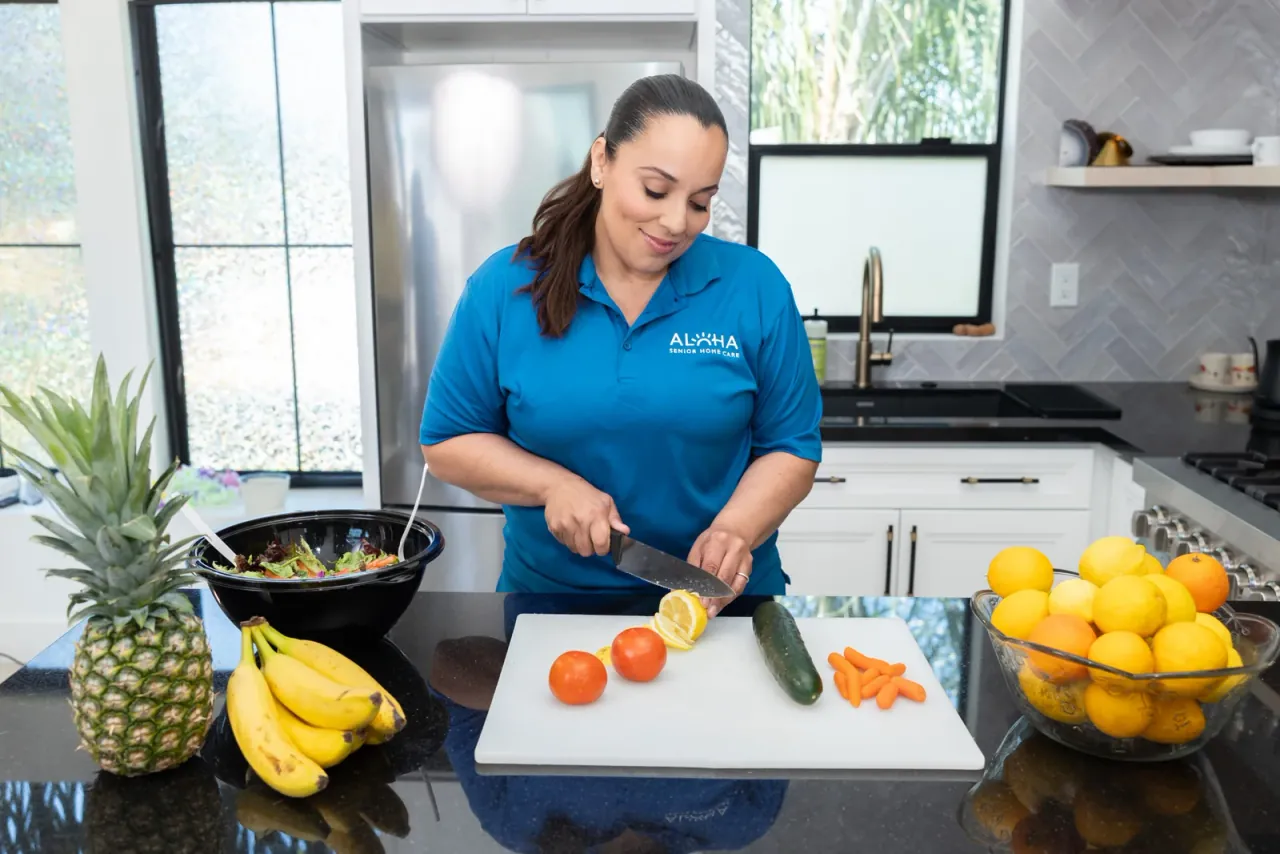
Simple, Nourishing Meals Seniors Actually Enjoy
Comforting, familiar dishes that fit an older appetite and their tastes.
Read more
When a Loved One's Appetite Starts to Fade
Gentle ways to encourage eating without pressure, and when to tell the doctor.
Read moreKeeping the Kitchen Safe for an Aging Parent
Small changes that make cooking and mealtime safer at home.
Read more
The Comfort of a Good Meal, Every Day
One conversation is all it takes to begin. Tell us what your loved one loves to eat, and we will help bring fresh, nourishing meals back to their table, with no pressure and no obligation.
Aloha Senior Home Care provides non-medical meal support, not medical nutrition therapy or dietary advice. This page is general information, not medical advice. For any medical or dietary concern, always consult your loved one's doctor or dietitian.