
Squatting Benefits for Seniors: Why This Movement Matters as We Age
Squatting benefits for seniors are often overlooked, but this simple movement is connected to many daily activities that help older adults stay independent. Squatting is not only an exercise. It is a basic functional movement used when sitting down, standing up, reaching low shelves, using the bathroom, picking something up, and getting closer to the floor safely.
As people age, the body can lose strength, flexibility, balance, and confidence with movement. The hips may feel stiff. Ankles may not bend as easily. Leg muscles may weaken. Getting up from a chair, toilet, couch, or even the floor can become harder than it used to be.
That is why understanding squatting benefits for seniors can help families notice changes earlier. If your loved one avoids bending, struggles to stand from a chair, has trouble using the bathroom independently, or feels afraid of falling, it may be time to pay closer attention to mobility and home safety.
This article explains why squatting matters as we age, how it connects to everyday independence, and when families should consider extra support at home.
Table of Contents
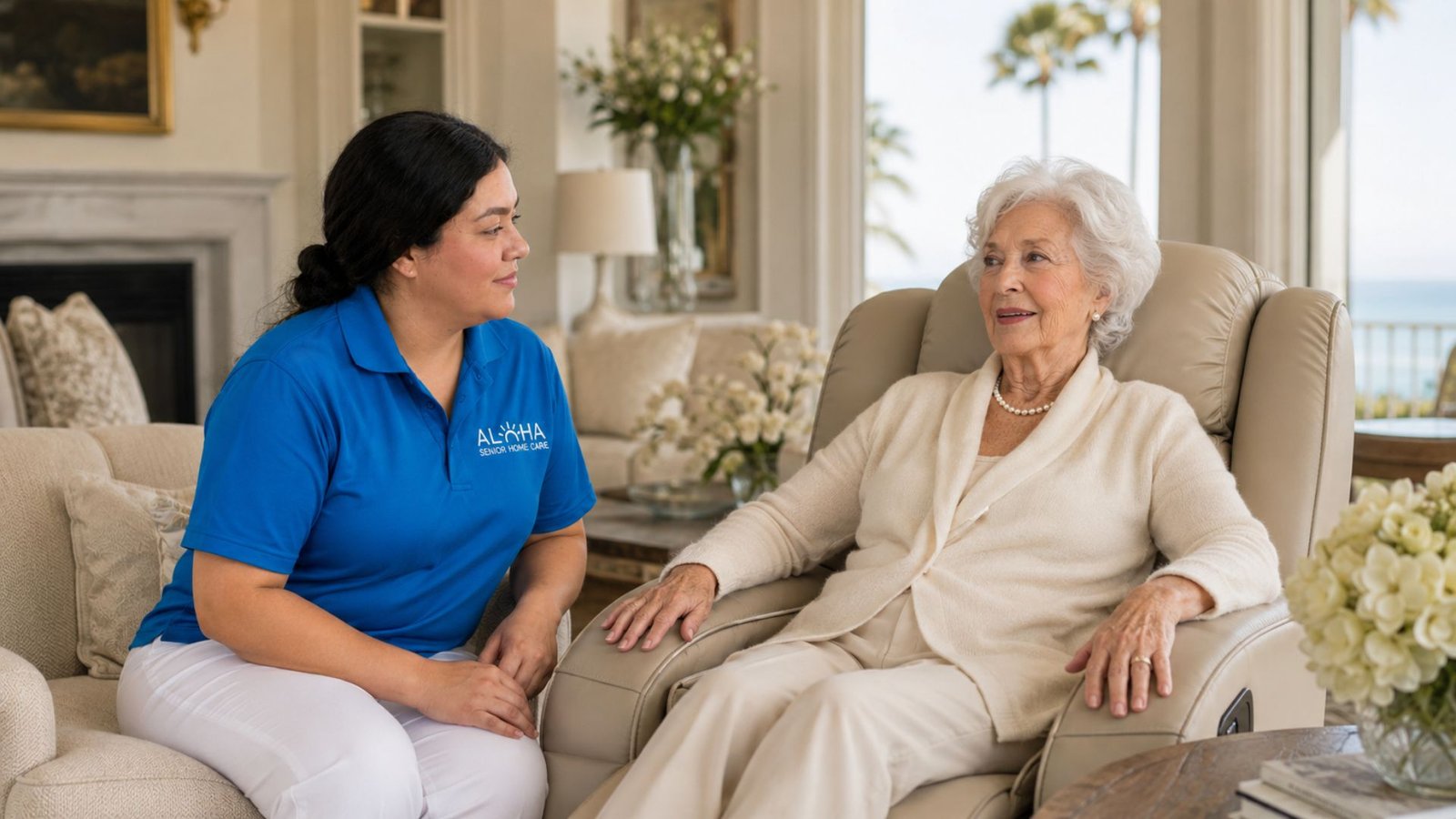
Squatting Benefits for Seniors: Why This Movement Matters
When people hear the word “squat,” they may think of a gym exercise. But squatting is part of normal life. Every time someone lowers into a chair, stands up from the toilet, reaches down to pick up laundry, or bends toward a lower cabinet, they are using parts of the same movement pattern.
For seniors, losing the ability to squat or partially squat can affect independence quickly. It may become harder to bathe, dress, clean, cook, use the bathroom, or move safely around the home.
The National Institute on Aging explains that exercise and physical activity can help older adults maintain strength, balance, flexibility, and the ability to do everyday tasks.
This does not mean every senior should start doing deep squats. Some older adults have arthritis, knee pain, hip replacements, balance issues, dizziness, or other health conditions. Any new exercise or mobility routine should be discussed with a physician, physical therapist, or qualified healthcare provider, especially if there is pain, weakness, or fall risk.
Still, the idea matters. The ability to bend, lower, stand, and stabilize the body is a major part of aging safely at home.
Squatting Benefits for Seniors: 1. Hip Mobility
Hip mobility plays a major role in sitting, standing, walking, turning, dressing, and getting in and out of cars. When the hips become stiff, everyday movement can feel harder.
A limited squat pattern may show that the hips are not moving as freely as they once did. Your loved one may avoid low chairs, struggle to get out of the car, or have difficulty bending toward the floor.
Signs of reduced hip mobility may include:
- Difficulty standing from a chair
- Stiffness after sitting
- Shorter walking steps
- Trouble getting in or out of bed
- Difficulty dressing the lower body
- Avoiding bending or reaching low places
For families looking at squatting benefits for seniors, hip mobility is one of the first areas to consider. A senior does not need to perform a deep squat to benefit from better hip movement. Even supported sit-to-stand practice or gentle mobility work guided by a professional may help maintain daily function.
Family note: If your loved one has pain, recent surgery, severe stiffness, or trouble bearing weight, encourage them to speak with a healthcare provider before trying new movements.
Squatting Benefits for Seniors: 2. Ankle Flexibility
Ankle flexibility is easy to ignore, but it affects walking, balance, stairs, and the ability to lower the body safely. When ankles become stiff, seniors may compensate by leaning forward, shuffling, or avoiding certain movements.
Good ankle movement helps the body stay stable when standing up, stepping over small obstacles, getting in and out of the shower, or walking on uneven surfaces.
Reduced ankle flexibility may show up as:
- Shuffling steps
- Difficulty walking uphill or downhill
- Trouble using stairs
- Feeling unstable when turning
- Difficulty standing from low seating
- Needing to hold furniture while walking
When squatting becomes difficult, the ankles may be part of the reason. The knees, hips, and ankles all work together. If one area loses movement, the whole body may feel less steady.
For seniors at home, this matters because small balance challenges can become fall risks. A caregiver can help by keeping walkways clear, supporting safer routines, and noticing when movement seems different than usual.
Squatting Benefits for Seniors: 3. Getting Off the Floor
Getting down to the floor and back up again is one of the clearest signs of functional strength and mobility. It matters because falls can happen. If a senior ends up on the floor, the ability to safely recover or call for help becomes very important.
Some older adults avoid the floor completely because they are afraid they will not be able to get back up. That fear is understandable, but it can also be a sign that strength, balance, or confidence has declined.
Families should pay attention if a loved one:
- Avoids picking items up from the floor
- Cannot kneel or bend safely
- Needs furniture to pull themselves up
- Has fallen and struggled to get up
- Feels afraid of being alone after a fall
- Has trouble standing from low chairs or couches
Practicing floor recovery should be done carefully and ideally with professional guidance, especially for seniors with pain, dizziness, balance concerns, or a history of falls.
The CDC STEADI program focuses on older adult fall prevention and encourages healthcare providers to screen, assess, and intervene when fall risk is present.
If your loved one has already fallen, do not ignore it. A fall can be a sign that more support is needed at home.
Squatting Benefits for Seniors: 4. Toileting Independence
Toileting independence is one of the most personal and important parts of daily life. It requires strength, balance, privacy, coordination, and the ability to sit and stand safely.
When seniors lose lower-body strength or mobility, using the bathroom may become stressful or unsafe. They may avoid drinking fluids because they do not want to make extra bathroom trips. They may rush and become more likely to fall. They may struggle to lower themselves onto the toilet or stand back up without support.
Warning signs may include:
- Using the sink, towel bar, or door handle for support
- Difficulty standing from the toilet
- Accidents due to slow movement
- Avoiding fluids to reduce bathroom trips
- Fear of falling in the bathroom
- Needing help with clothing after toileting
This is where squatting benefits for seniors connect directly to dignity. The ability to lower and rise safely affects privacy, confidence, and independence.
Non-medical home care can support bathroom safety through respectful personal care, standby assistance, safe movement support, and help with daily routines. Families may also want to discuss bathroom safety equipment with a healthcare professional or occupational therapist.
Squatting Benefits for Seniors: 5. Functional Movement
Functional movement means movement that supports real life. It is not about athletic performance. It is about being able to do everyday tasks safely and comfortably.
Squatting or partial squatting is connected to many daily activities, including:
- Sitting down
- Standing up
- Using the toilet
- Picking up dropped items
- Reaching lower cabinets
- Loading laundry
- Getting in and out of a car
- Gardening or light household tasks
When this movement pattern becomes difficult, seniors may slowly stop doing the things they used to do. They may leave laundry undone, avoid cooking, stop gardening, or stop going out because movement feels too hard.
Real-life example: A daughter notices her father no longer picks things up from the floor. He says, “I’ll get it later,” but the real reason may be that bending down feels unsafe.
Families should not wait until a loved one becomes completely unable to move safely. Small changes in daily movement can be early signs that support is needed.
Squatting Benefits for Seniors: 6. Muscle Loss With Aging
Muscle loss is a normal part of aging, but it can become a serious problem when it affects balance, walking, standing, and independence. The legs, hips, and core all play a role in safe movement.
When leg strength declines, seniors may struggle with stairs, chairs, toilets, showers, and getting in and out of bed. They may also become more fearful of falling, which can lead to moving less. Less movement can then lead to more weakness.
The National Institute on Aging discusses how strength training may help contribute to healthier bodies as people age.
Signs of lower-body weakness may include:
- Using arms heavily to stand from a chair
- Difficulty climbing stairs
- Slower walking speed
- Needing more rest after simple tasks
- Shaky legs when standing
- Avoiding errands or outings
For older adults, maintaining strength is not about looking fit. It is about staying safe, independent, and able to live at home with dignity.
If your loved one is becoming weaker, speak with a healthcare provider. A physical therapist may be able to recommend safe exercises based on their condition.
Squatting Benefits for Seniors: 7. Balance and Fall Prevention
Falls are one of the biggest concerns for aging adults and their families. Balance, strength, flexibility, vision, medication effects, home clutter, and medical conditions can all play a role.
Squatting ability connects to fall prevention because it uses several systems at once: leg strength, joint mobility, balance, coordination, and confidence. A senior who can sit, stand, bend, and recover from small balance shifts may be better prepared for daily movement.
Families should watch for fall warning signs such as:
- Holding furniture while walking
- Fear of walking alone
- Recent falls or near falls
- Difficulty standing from a chair
- Avoiding stairs
- Unsteady turns
- Cluttered walkways
- Weakness after sitting too long
Balance and strength exercises can help some older adults, but they should be safe for the person’s health condition. If there is dizziness, pain, recent surgery, or a history of falls, families should ask a physician or physical therapist before starting.
At home, non-medical care can also help by reducing clutter, supporting safe movement, assisting with personal care, and providing companionship during higher-risk routines.
What Families Should Watch For at Home
Understanding squatting benefits for seniors is helpful, but families also need to know what changes may point to a bigger concern.
During visits, pay attention to how your loved one moves through the home. Do they avoid low chairs? Do they struggle to stand? Are they holding onto walls? Are they afraid to shower? Are they leaving items on the floor because bending down feels too difficult?
Signs your loved one may need more support include:
- Trouble standing from a chair or toilet
- Difficulty bending safely
- Fear of falling
- Recent falls or near falls
- Reduced walking confidence
- Avoiding laundry, bathing, cooking, or errands
- Weakness after basic activities
- Needing help getting off the floor
If these signs are present, a care consultation can help your family understand what type of support may be needed. You can also explore our senior home care services in San Diego to learn how non-medical care may support daily routines at home.
How Home Care Supports Safer Daily Movement
Home care does not replace physical therapy or medical care. A caregiver does not diagnose mobility problems or prescribe exercises. But non-medical care can support the daily routines that help seniors remain safer at home.
A caregiver may help with:
- Safe movement around the home
- Standby assistance during daily routines
- Bathing and dressing support
- Toileting support
- Meal preparation
- Hydration reminders
- Light housekeeping to reduce fall risks
- Companionship and routine
- Family updates when mobility changes appear
For many families, this kind of help brings peace of mind. Your loved one can stay in the home they know, while receiving support with the tasks that have become harder or less safe.
If your loved one is struggling with mobility, you can also learn more about our home care in San Diego options for seniors who need support at home.
When to Speak With a Healthcare Provider
If your loved one has pain, dizziness, sudden weakness, a recent fall, trouble standing, or difficulty walking, it is best to speak with a physician, physical therapist, or qualified healthcare provider.
Families can ask questions such as:
- Is it safe for my loved one to practice sit-to-stand movements?
- Would physical therapy help with strength or balance?
- Are hip, knee, or ankle limitations affecting mobility?
- Could medication be contributing to dizziness or falls?
- What home safety changes would reduce fall risk?
- Should we use assistive devices or bathroom safety equipment?
- What warning signs should make us seek urgent care?
The goal is not to push your loved one into movements that feel unsafe. The goal is to understand what is changing and get the right support before a serious fall or injury happens.
How Aloha Senior Home Care Helps San Diego Families
At Aloha Senior Home Care, we help families across San Diego support aging loved ones at home. We understand how stressful it can feel when a parent starts moving slower, struggling to stand, avoiding stairs, or becoming afraid of falling.
Our private-pay, non-medical care services can help with personal care, companion care, respite care, overnight care, 24-hour care, dementia care, Alzheimer’s care, and post-hospital support.
We do not replace medical professionals. But we can help with daily routines, safer movement support, companionship, light housekeeping, hydration reminders, meal support, and family communication when changes are noticed.
The goal is simple: help your loved one stay safer, more comfortable, and more supported at home.
Frequently Asked Questions About Squatting Benefits for Seniors
What are the main squatting benefits for seniors?
Squatting benefits for seniors may include better functional movement, improved lower-body strength, hip mobility, ankle flexibility, balance support, toileting independence, and greater confidence with daily activities.
Should every senior do squats?
No. Not every senior should do squats, especially if they have pain, dizziness, balance problems, recent surgery, joint issues, or a history of falls. A healthcare provider or physical therapist can recommend safe movement options.
Why does squatting matter for toileting independence?
Using the bathroom requires lowering, sitting, standing, balance, and leg strength. When these movements become difficult, seniors may need support to stay safe and maintain dignity.
Can home care help seniors with mobility concerns?
Yes. Non-medical home care can help with safe daily routines, personal care, light housekeeping, meal support, hydration reminders, companionship, and family updates when mobility changes are noticed.
Worried About Your Loved One’s Mobility at Home?
Call Aloha Senior Home Care today for a free care consultation and help understanding non-medical care options in San Diego.
Get support for your loved one at home with compassionate care and safer daily routines.
